
Lecture time
October 23 (Friday) 13:00-16:30Lecture location
Conference Room 311, Building 1, Jinfeng Laboratory
Lecture Topic 1: Progress in Research and Development of New Influenza Vaccine
Introduction to the speaker
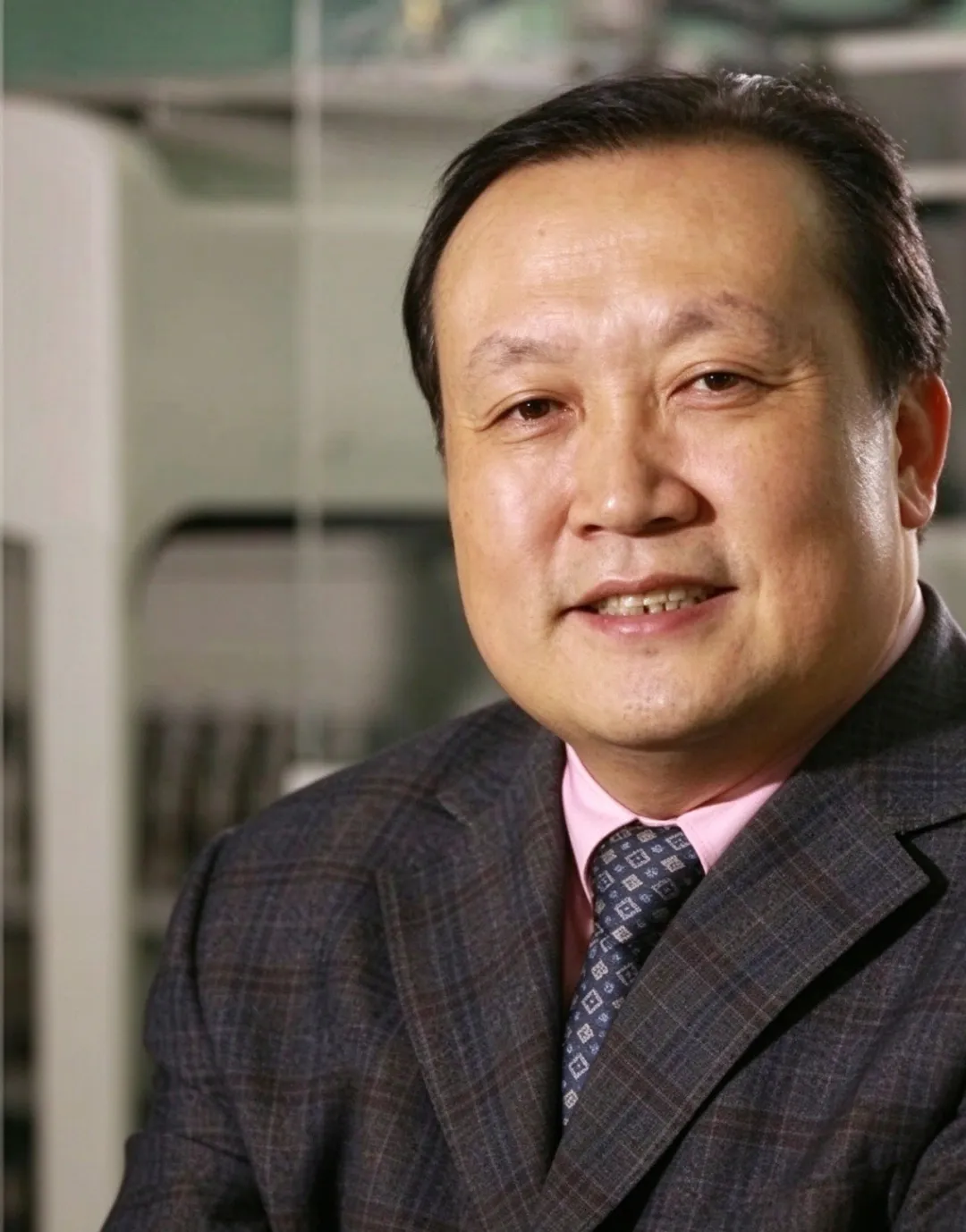
Shu Yuelong, Professor and doctoral supervisor at Sun Yat-sen University School of Public Health (Shenzhen). Chairman-elect of the Medical Virology Branch of the Chinese Medical Association and editor-in-chief of "Acta Virology". One of the first batch of leading scientific and technological innovation talents in the national “Ten Thousand Thousand Talents Plan” and winner of the National Science Fund for Distinguished Young Scholars. It has long focused on influenza etiology and epidemiological research, and discovered new human-infecting avian influenza viruses such as H7N9, H10N8 and H5N6 for the first time in the world. It was the first to successfully develop relevant diagnostic reagents and was recommended by the World Health Organization, promoting the National Influenza Center to become a global influenza reference and research cooperation center. He has published more than 100 papers as the corresponding author in journals such as Science, Nature, NEJM, and Lancet. He has won the National Science and Technology Progress Special Award, the National Science and Technology Progress Second Prize and other awards, and was selected as one of the top ten scientific and technological innovation figures in 2014. 。
Lecture Introduction
Influenza is a major challenge to global public health, and vaccination is the most cost-effective means of prevention and control. As an important membrane protein on the surface of influenza virus, neuraminidase (NA) has a conserved enzyme active site and slow antigen drift, making it an ideal target for a new generation of broad-spectrum influenza vaccines. However, the immunogenicity of natural NA is weak, and the seroconversion rate of existing inactivated vaccines to induce NA antibodies is only about 30%, which restricts the development of related vaccines. Professor Shu Yuelong's team proposed an innovative strategy to direct NA antigen to the autophagy pathway, construct an NA-LC3B fusion protein vaccine, and promote antigen presentation through the autophagosome-lysosome-MHC II pathway. Animal experiments show that the vaccine can induce potent NA-specific antibodies and T cell responses ; Homologous H1N1 challenge achieves 100% protection, and the survival rate under hetero-subtype H3N2 challenge can reach 60%. The study newly identified 24 NA-specific T cell epitopes, confirming that protection mainly relies on T cell immunity. This lecture will focus on this research theme, introduce the design, immune evaluation and cross-protection mechanism of NA-LC3B fusion vaccine, and explore the application potential of this idea in broad-spectrum influenza vaccines, other viral vaccines and tumor immunotherapy.
Lecture Topic 2: Molecular Mechanism of Host Regulation of Tick-borne Forest Encephalitis Virus Protein
Introduction to the speaker

Zhang Wenyan, Professor and doctoral supervisor at the First Hospital of Jilin University, Doctor of Science, jointly trained by Johns Hopkins University and Jilin University. Distinguished Professor of Changbai Mountain Scholars. He has long been engaged in research on viral pathogenesis and molecular epidemiology, mainly involving HIV-1, enterovirus, and tick-borne forest encephalitis virus. He has published more than 80 SCI papers in authoritative international journals such as Nature, and has been granted 5 authorized invention patents. The representative achievement is the study published in Nature by the first author on CBF-β regulating HIV Vif protein to evade the host defense system. He has won the second prize of the National Natural Science Award, the first prize of the Natural Science Award of the Ministry of Education, the second prize of the Chinese Medical Science and Technology Award, etc., and was elected as the 2017 "Scientific Chinese Person of the Year".
speak seat slip between
Tick-borne encephalitis virus (TBEV) is a tick-borne flavivirus that is endemic in many parts of Europe and Asia. It can invade the central nervous system, cause encephalitis, meningitis, and can be fatal in severe cases. It is an arbovirus of major concern to WHO. Currently, there are no specific antiviral drugs, and the popularity of vaccines is limited. Mining the host immune mechanism and finding antiviral targets are hot research topics in the field. Professor Zhang Wenyan's team conducted a systematic study on the host antiviral mechanism of TBEV infection and found that the host E3 ubiquitin ligase RNF138 has broad-spectrum anti-flaviviral activity. This protein can specifically recognize the highly conserved RNA-dependent RNA polymerase NS5 of flaviviruses, mediate its ubiquitination and degradation, and thereby inhibit viral replication. The study clarified the molecular mechanism by which the host relies on the ubiquitination pathway to clear the viral core replication protein, providing a new target for the development of broad-spectrum antiviral means for tick-borne encephalitis virus and other flaviviruses. With the theme of "Molecular Mechanism of Host Regulation of Tick-borne Forest Encephalitis Virus Proteins", this lecture introduces the latest research results on the host antiviral mechanism of TBEV, focuses on analyzing the host defense strategy of ubiquitination and degradation of viral proteins, and explores the application prospects of this mechanism in broad-spectrum anti-flavivirus intervention.
Everyone is welcome to actively participate


Number
023-68059937
Email:Jinfeng@jflab.ac.cn
Address:
No.313, Bella Road Chongqing High-tech Zone
Postal code: 401329

 渝公网安备50009802002274