
Lecture time
2026 September 7 (Monday) 0 9:10—10:50Lecture location
Conference Room 302, Building 1, Jinfeng Laboratory
Lecture Topic 1: Application Progress and Regulatory Strategies and Challenges of Organoids and Organ-on-Chip Technology
Introduction to the speaker
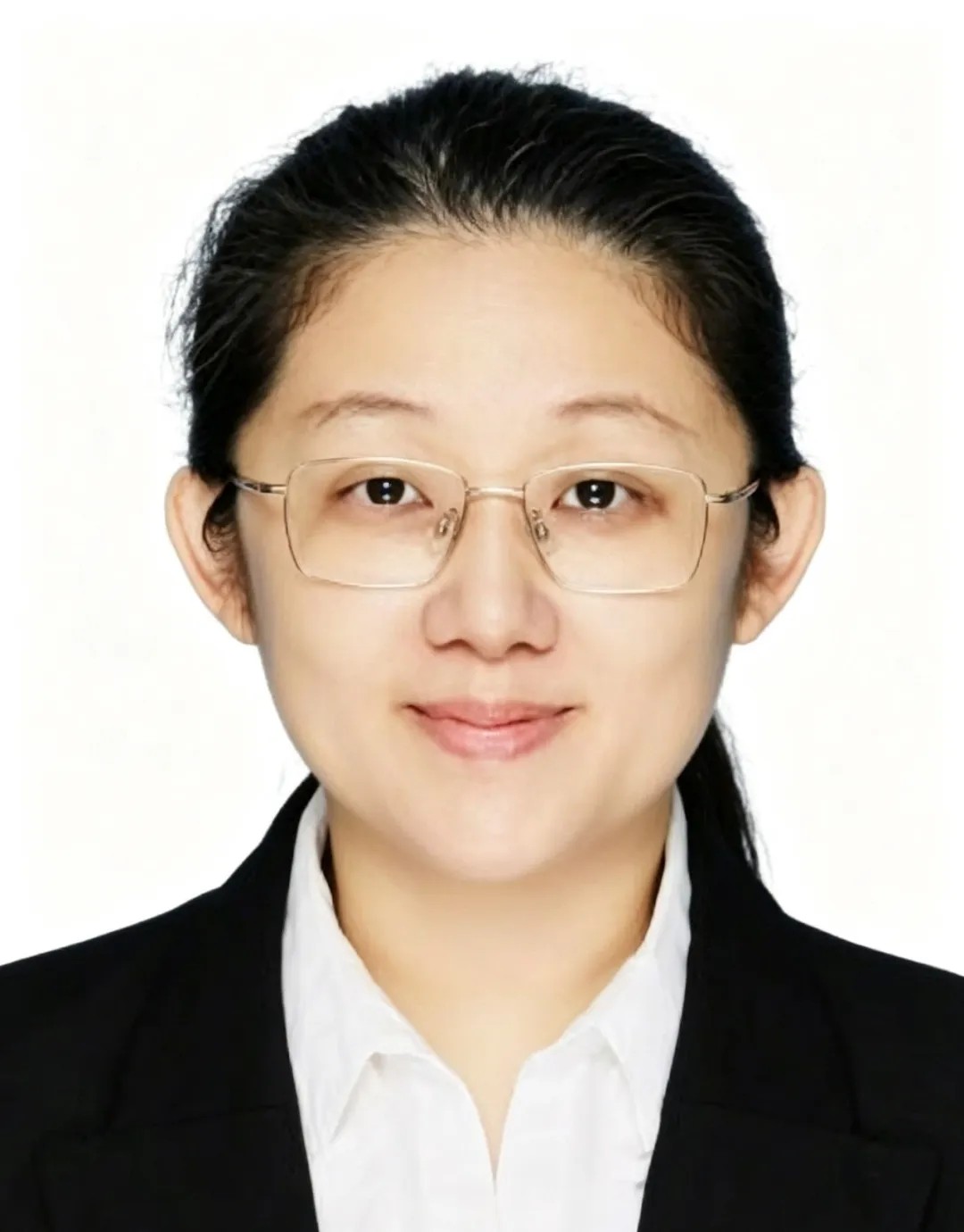
Qu Zhe, Deputy director (in charge) of the Pathology Office of the Institute of Safety Assessment of the China National Medical Products Administration, a non-clinical drug (GLP) inspector of the State Food and Drug Administration, a member of the Toxic Pathology Professional Committee of the Chinese Society of Toxicology, a certified pathologist of the Veterinary Pathologist Branch of the Chinese Veterinary Association, and an expert in the field of innovative drug research and development in the National Science and Technology Expert Database. Mainly engaged in drug preclinical safety evaluation research, drug toxicity pathology evaluation, research on new technologies and methods for in vitro neurotoxicity evaluation, construction of national toxicity pathology image database and development of pathology AI-assisted diagnosis models, etc. He has published more than 70 academic papers, more than ten of which are included in SCI, and participated in the editing and publication of 13 monographs. Won the second prize of Beijing Science and Technology Award, the second prize of Chinese Pharmaceutical Association Science and Technology Award, etc. 。
Lecture Introduction
Modern organoid chip technology has developed by leaps and bounds in the fields of disease modeling, toxicology research, drug screening and personalized medicine, and has entered a period of accelerated multi-technology integration and clinical translation. However, it still faces translation problems such as standardization, reproducibility and large-scale application. This lecture focuses on the supervision and standardization practices of new methods (NAMs) such as organoids/organ chips by European, American, Chinese and international organizations. It deeply explores the core challenges and collaborative innovation paths of technology from laboratories to regulatory acceptance, and explains the research progress of the performance evaluation, quality standards and joint verification series of various types of organoids and organ chips under the practical paradigm of "platform construction + topic research + joint verification", aiming to connect the entire chain of "industry-university-research and supervision" collaborative innovation system for organoids and organ-chip technology.
Lecture Topic 2: From “Cultivation” to “Single Cell Culture-Free”: Rapid Sterility Detection Based on Single Cell Raman Spectroscopy Technology
Introduction to the speaker
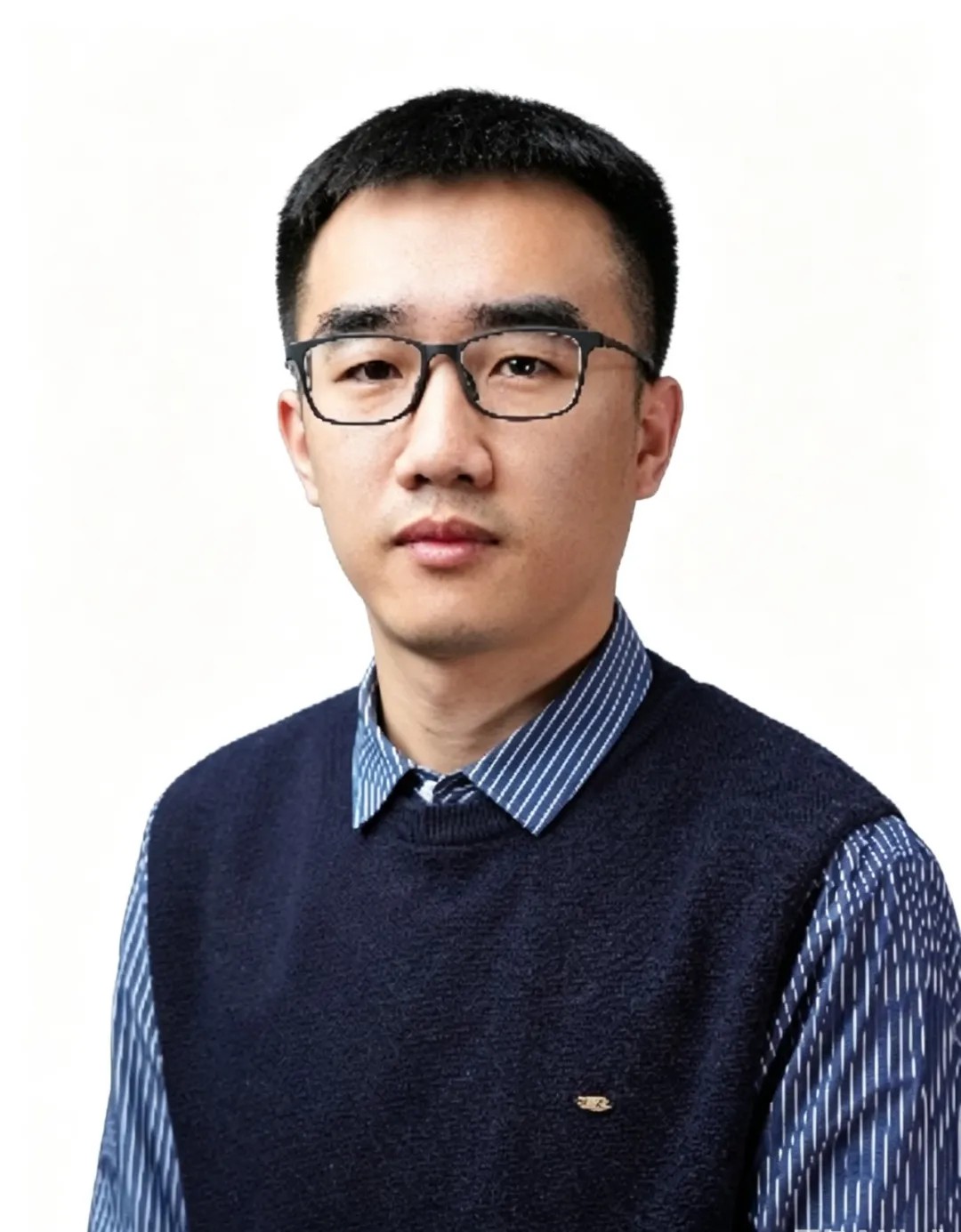
Wang Xixian, Leader of the instrument engineering team of the Single Cell Center of Qingdao Institute of Bioenergy and Processes, Chinese Academy of Sciences, Taishan Scholar Young Expert of Shandong Province, and member of the Youth Promotion Association of the Chinese Academy of Sciences. Committed to the development and engineering of single cell analysis/sorting methodology platforms based on microfluidics and single-cell Raman spectroscopy technology, he developed the world's first high-throughput Raman flow cell sorter and achieved industrialization. He has presided over more than 10 key research and development plan projects of the Ministry of Science and Technology and National Natural Science Foundation of China. He has published more than 30 papers in international journals such as PNAS, Science Advances, and Nature Communications, and has authorized 7 invention patents.
speak seat slip between
Cell and gene therapy (CGT) products have the characteristics of high value, strong timeliness and complex cell matrix. The traditional culture method sterility test takes about 14 days, and the risk release sterility test still takes 7 days, which is difficult to meet the needs of rapid product release and clinical medication. This lecture will introduce the direct detection system of single-cell bacteria with dielectrophoresis-multiphase flow collaborative separation as the front end and image recognition and Raman fingerprint as the core. It will focus on the efficient separation and enrichment of low-abundance contaminating bacteria, multi-modal rapid identification and instrument development. The lecture will also share the team’s preliminary exploration in image recognition and Raman model construction, and discuss the application value of this technology in biopharmaceutical quality control.
Lecture topic three: Research on exploring the efficacy of MSCs subpopulation based on omics big data
Introduction to the speaker
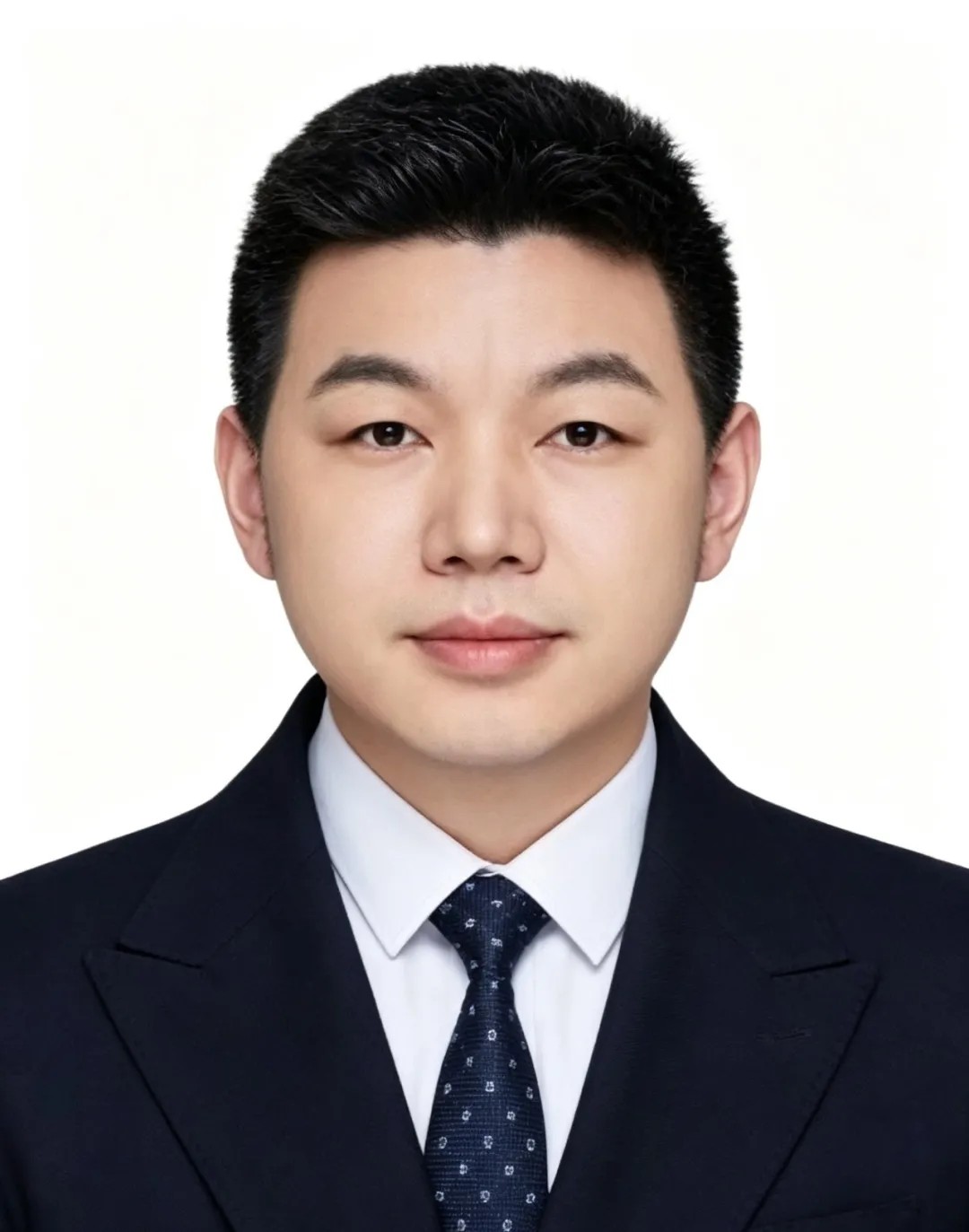
Wang Zheng, Researcher/chief scientist of Jinfeng Laboratory Interdisciplinary Center, researcher and doctoral supervisor at Xinqiao Hospital of Army Medical University. He serves as director of the National Center for Pathological Phenotyping of Genome Data Science, deputy director of the Chongqing Key Laboratory of Blood and Microenvironment, deputy director of the Chongqing Bioinformatics Hematology Committee, member of the Expert Committee on Aging Intervention and Chronic Disease Prevention and Control of the China Association for Health Promotion, member of the Blood Ecology Billion Cell Multi-omics Program Committee, member of the Tumor Gene Diagnosis Professional Committee of the Chinese Anti-Cancer Association, and member of the Intelligent Health and Bioinformatics Professional Committee of the Chinese Society of Automation. Main research directions: computational biology and stem cell plasticity. Published 21 papers in SCI area 1 as the first or corresponding author (including co-authors) ; He has served as an editorial board member of World Journal of Stem Cell, Blood & Genomics, Computational Biomedicine and other journals, and a youth editorial board member of iMeta and Cell Proliferation. ; Served as a reviewer for journals such as Nature Cell Biol, JHO, Cell Genomics, Cell Systems, and NAR.
speak seat slip between
Mesenchymal stem cells (MSCs), as key cells in regenerative medicine and cell therapy, have shown great potential in clinical translation. However, MSCs are highly heterogeneous, resulting in serious deficiencies in quality controllability and efficacy stability during in vitro preparation and expansion. In the past five years, the team has used single-cell omics technology combined with computational biology methods to draw the first single-cell atlas of human MSCs, develop the first MSCs database, mine multiple efficacy-enhanced subpopulations, analyze the heterogeneity of MSCs, and elucidate their role in maintaining microenvironmental homeostasis.
Everyone is welcome to actively participate


Number
023-68059937
Email:Jinfeng@jflab.ac.cn
Address:
No.313, Bella Road Chongqing High-tech Zone
Postal code: 401329

 渝公网安备50009802002274