
Lecture time
2026 July 31 (Friday) 14:00-15:30Lecture location
Conference Room 302, Building 1, Jinfeng Laboratory
Lecture Topic 1: Construction and Application of Standardized Stem Cell and Organoid Resource Library
Introduction to the speaker

Dr. Liang Lingmin, Senior researcher at Jinfeng Laboratory and technical director of the Stem Cell Center Resource Library. He presides over the major projects of Chongqing 2025 Biopharmaceutical Technology Innovation Center and has long been committed to the construction of clinical-grade stem cell resources, regulation of pluripotent stem cell differentiation and the development of cell therapy. Successfully established multiple human embryonic stem cell and adult stem cell lines that meet clinical standards, and promoted their directional differentiation into functional cells such as dopamine neural precursor cells, mesenchymal stromal cells, and immune cells, supporting the first domestic clinical research on human embryonic stem cells for the treatment of Parkinson's disease and the approval of multiple INDs. In terms of standardization, we participated in the formulation of the first international standard, the first national standard and multiple group standards in the field of stem cells, and are committed to promoting the development of industry standards.
Lecture Introduction
Stem cells and organoids are core resources for analyzing disease mechanisms, drug screening and regenerative medicine. In May 2026, the "Regulations on the Management of Clinical Research and Clinical Transformation Application of New Biomedical Technologies" will be officially implemented, putting forward higher compliance requirements for the construction of resource libraries. In November 2025, Jinfeng Laboratory was awarded the "National Stem Cell Resource Bank (Chongqing)" and became the first branch bank. This lecture focuses on the entire chain of resource library construction: introducing the necessity and importance of standardized resource library construction, and the strategic positioning of the National Stem Cell Resource Bank (Chongqing) ; Explain the construction elements and paths of the standardized resource library, and share the Jinfeng branch’s 2 million collection capabilities and special directions such as pathological stem cells and plateau stem cells. ; It explains how the resource library empowers drug research and development, organoid precision medicine, and open sharing mechanisms to help the team integrate into the national core system and promote transformation and application in the western region.
Lecture Topic 2: Integrated analysis of single cells reveals new types of microglia that promote remyelination—oligodendrocyte-like microglia
Introduction to the speaker
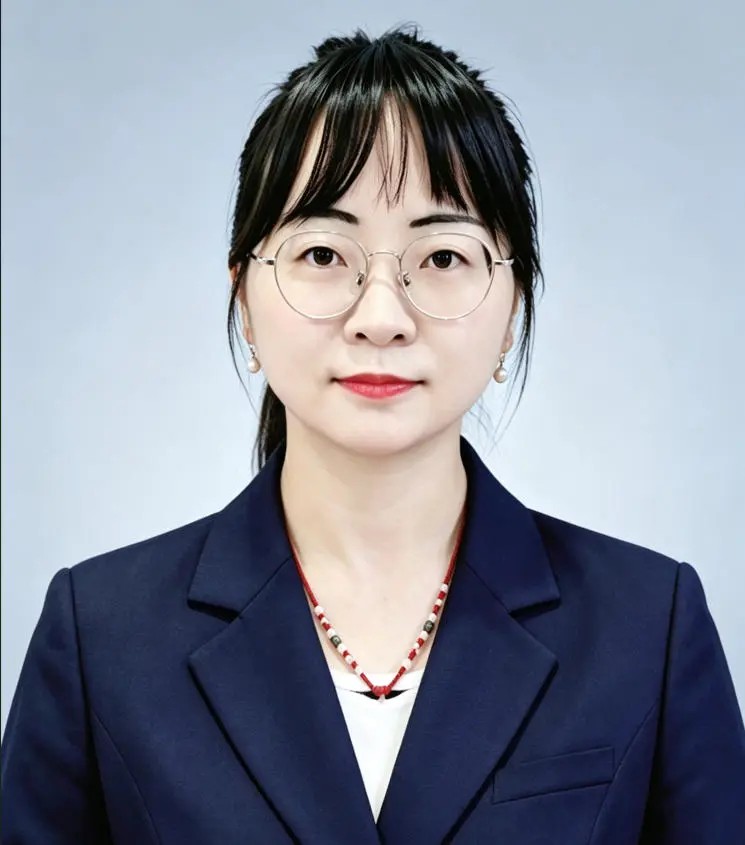
Dr. Yao Junjun , Jinfeng Laboratory Stem Cell Center, young scholar. Focusing on stem cell biology and regenerative medicine research, it has accumulated systematic and in-depth technical experience in the isolation and culture, functional analysis and transformation application of neural stem cells, mesenchymal stem cells and microglia. For the first time, the molecular profile of human hippocampal neural stem cells in aging and damaged states was systematically analyzed (eLife, first author) and a new type of microglia was discovered.
speak seat slip between
Most neurodegenerative diseases (such as multiple sclerosis, Alzheimer's disease, stroke, etc.) are accompanied by significant demyelination damage due to the accumulation of inflammation and toxic proteins in the brain microenvironment. Damage to myelin sheath can lead to interruption of signal conduction and axonal degeneration. However, existing therapies can only alleviate symptoms but cannot reverse the demyelination damage that has occurred. The fundamental reason is that the myelin repair mechanism has not yet been elucidated. Whether there are cell types other than OPC/OLG that can directly participate in myelination regeneration is still a key gap in the field. This study integrated single-cell nuclear transcriptome data from multiple brain regions in patients with a variety of neurodegenerative diseases and identified a previously unrecognized microglia subtype—oligodendrocyte-like microglia (OLM). This subtype retains the identity of microglia while endogenously expressing high levels of key genes of the oligodendrocyte lineage. It is conserved across species and has close spatial proximity and ligand-receptor interactions with oligodendrocytes. ; Functionally, OLM can promote myelin repair in progeria SAMP8 mice and spinal cord injury rats, providing a new endogenous cell resource for cell therapy of demyelinating diseases. It provides an important theoretical basis for the future construction of a cell resource library based on this type of cells and for promoting the clinical translation of myelin repair strategies.
Lecture topic three: Discussion on the new paradigm of AI-driven drug research and development
Introduction to the speaker
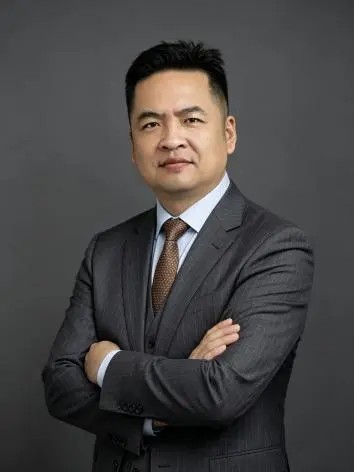
Dr. Yu Jianqiang , General Manager of Haier Biomedical (688139.SH) Laboratory Solutions/General Laboratory Industry, Head of Meta-Analysis Instrument Chain Group, Chairman and Legal Representative of Shanghai Meta-Analysis Instrument Co., Ltd., who comprehensively coordinates the operation and management of the entire industry chain of Haier Bio-Medicine's analytical instruments and smart laboratories, strategic investment, R&D innovation and global market layout, and is the core person in charge of the domestic replacement sector of Haier Bio-Life Science Instruments.
speak seat slip between
Traditional drug research and development relies on animal models. There is a triple extrapolation gap between species, mechanism, and prediction. Animal experiments are difficult to accurately predict human drug efficacy and immune response.; This puts forward a human-centered multi-model evidence system for NAMs, relying on human cells, organoids, high-throughput omics and AI computing to build a new research and development framework. This idea has been included in the FDA regulatory draft to supplement, optimize and even replace some animal research. This study focuses on analyzing the core pain points of biopharmaceuticals: immunogenicity, which is a systemic risk caused by the interaction of drugs, populations, individual immune status, and disease treatment background, and directly affects drug exposure, efficacy, and safety. Relying on tens of millions of standardized human single-cell data base, AI can realize the entire immune process modeling, population risk stratification and candidate molecule sequence optimization, forming a closed loop of "prediction - in vitro verification - iterative optimization" ; Through high-throughput automated cells, organoids, and quality control platforms, a digital twin system for patient immune response from the group to the individual level has been implemented to build a new model for the entire chain of AI-enabled new drug research and development covering target development, preclinical evaluation, and clinical transformation.
Everyone is welcome to actively participate


Number
023-68059937
Email:Jinfeng@jflab.ac.cn
Address:
No.313, Bella Road Chongqing High-tech Zone
Postal code: 401329

 渝公网安备50009802002274