
Lecture time
2026 June 9 (Tuesday) 10:00-12:00Lecture location
Conference Room 302, Building 1, Jinfeng Laboratory
Lecture title 1: The treatment of myocardial Infarction with stem cells: Review of the literature and our experience in the field
Introduction to the speaker
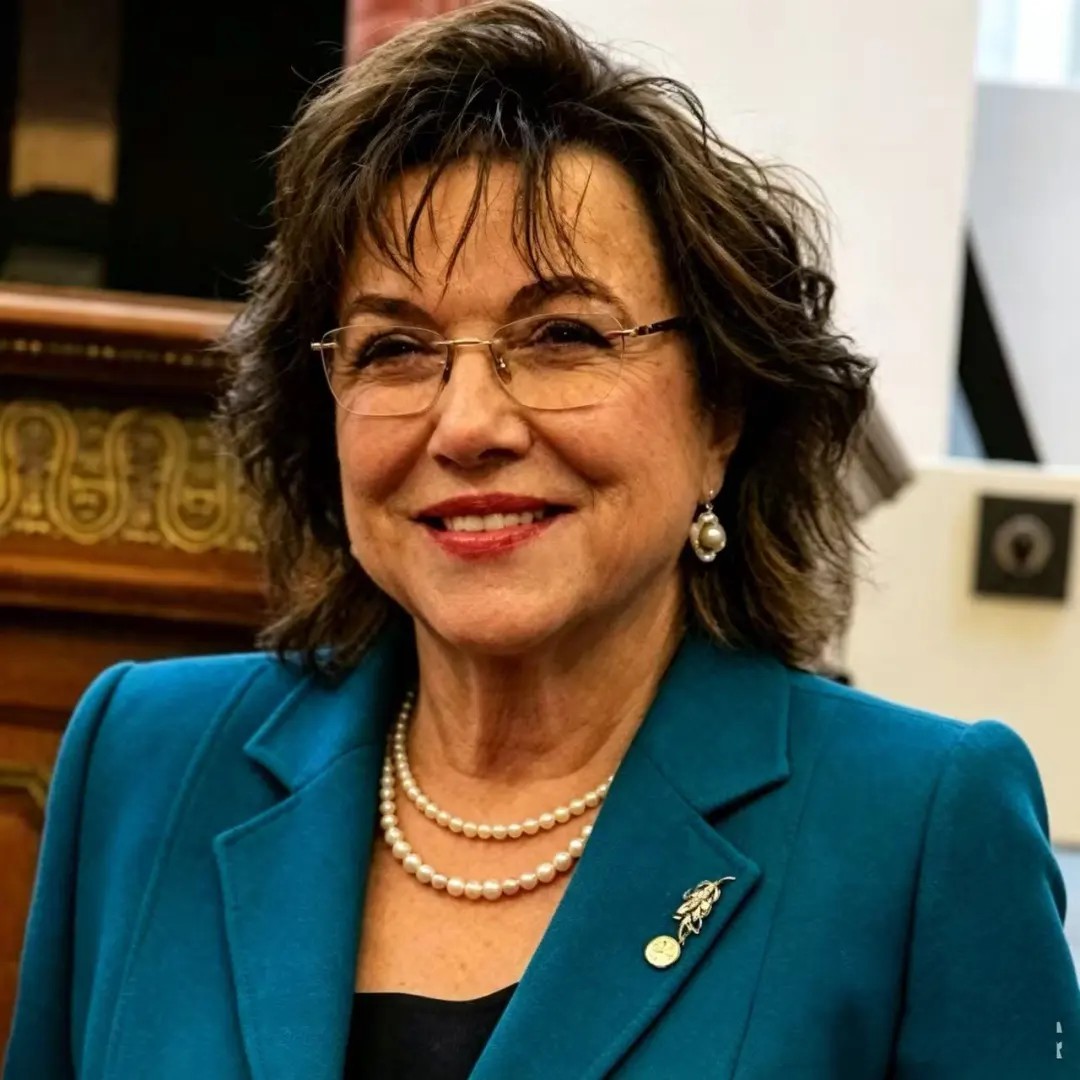
Maria Dorobantu , Fellow of the European Society of Cardiology (FESC), Fellow of the American College of Cardiology (FACC). Emeritus professor at the "Carol Davila" University of Medicine and Pharmacy in Romania, expert in cardiology and internal medicine. He is a corresponding member of the Romanian Academy of Sciences, an academician of the Romanian Academy of Medical Sciences, a foreign corresponding member of the French National Academy of Medical Sciences, and an academician of the European Academy of Sciences. He served as a visiting professor in the Department of Cardiovascular Diseases at Northwestern University Feinberg School of Medicine in the United States and received an honorary doctorate from Vasily Gordish University of the West in Romania. He has long been engaged in clinical and basic research on cardiovascular diseases and has achieved important results in the fields of hypertension, coronary heart disease, heart failure and early intervention and prevention of cardiovascular diseases. 。
Lecture Introduction
Myocardial regeneration and cardiac function repair after myocardial infarction are major clinical problems. Although reperfusion therapy effectively reduces mortality in the acute phase of myocardial infarction, a large number of patients will still progress to heart failure in the long term. Stem cell therapy is a highly potential myocardial regeneration treatment strategy. Although some progress has been made after years of research and exploration, there are still many controversies and problems such as unclear mechanism of action and unstable clinical efficacy. This lecture will systematically review the classic literature and cutting-edge research progress in the field of stem cell treatment of myocardial infarction, explain in detail the mechanisms of action of different types of stem cells, transplantation options and the current status of clinical translation and application. At the same time, it will focus on sharing the original research results and practical experience of the lecturer team who have been deeply involved in this field for many years.
Lecture Topic 2: Research Progress in Clinical Application of Stem Cells
Introduction to the speaker
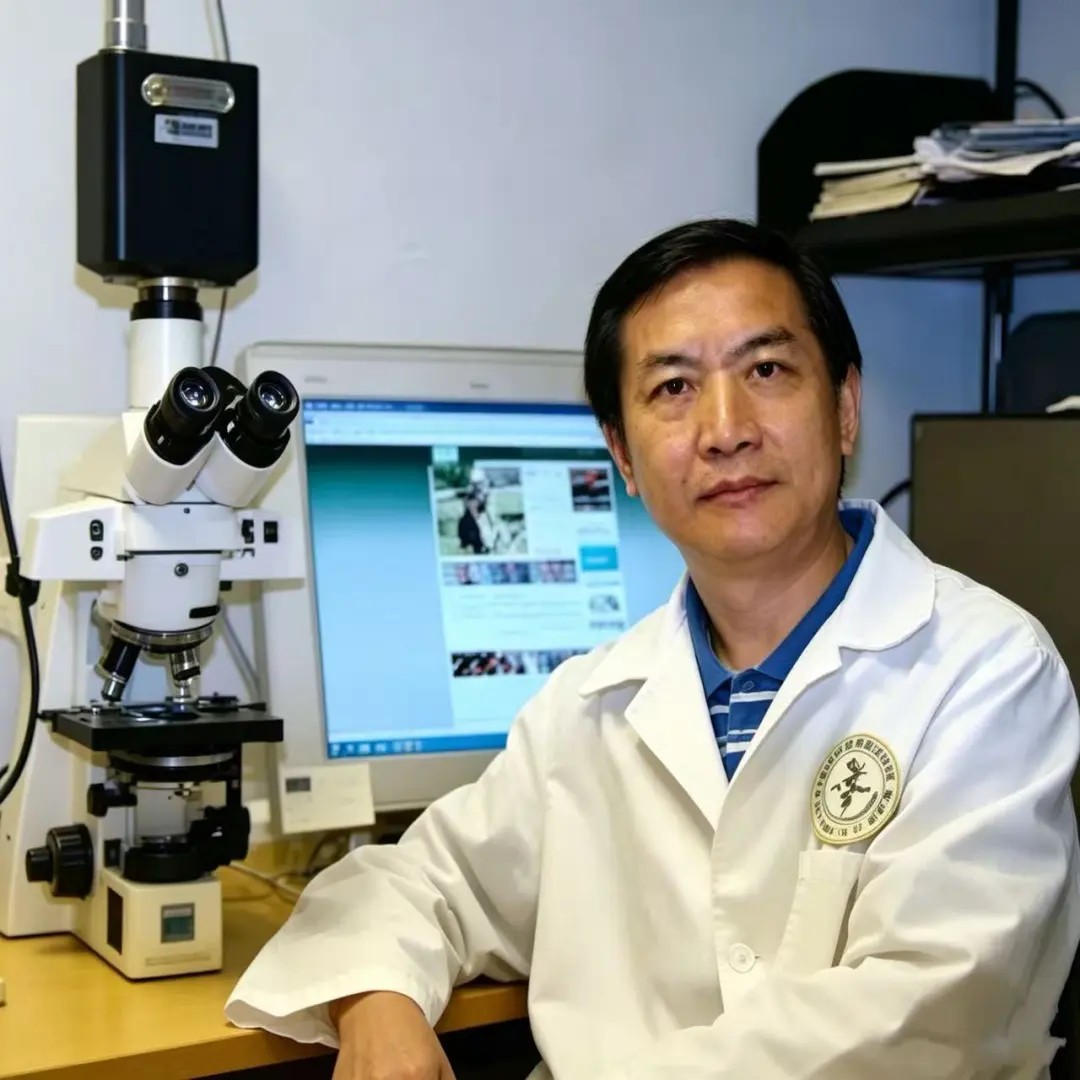
Liu Guoqing , postdoctoral fellow at the University of South Florida, director of the Cord Blood Stem Cell Bank at the University of South Florida, member of the American Association of Blood Banks (AABB), member of the European Society of Hematology, member of the American Society of Hematology, member of the New York Association of Scientists, and member of the American Academy of Allergy and Immunology; He has been engaged in stem cell scientific research for 36 years and has been engaged in stem cell bank management for 30 years, with rich experience.
speak seat slip between
The stem cell research center will introduce the world's first research work using umbilical cord hematopoietic stem cells and clinical examples of using cord blood hematopoietic stem cells and cord blood mesenchymal stem cells to treat diseases. Conduct a comprehensive and in-depth analysis from aspects such as stem cell treatment methods, carcinogenic risks, and administration methods.
Lecture topic three: Research on the anti-restenosis effect and mechanism of new vascular stent (containing stem cell scaffold) materials
Introduction to the speaker
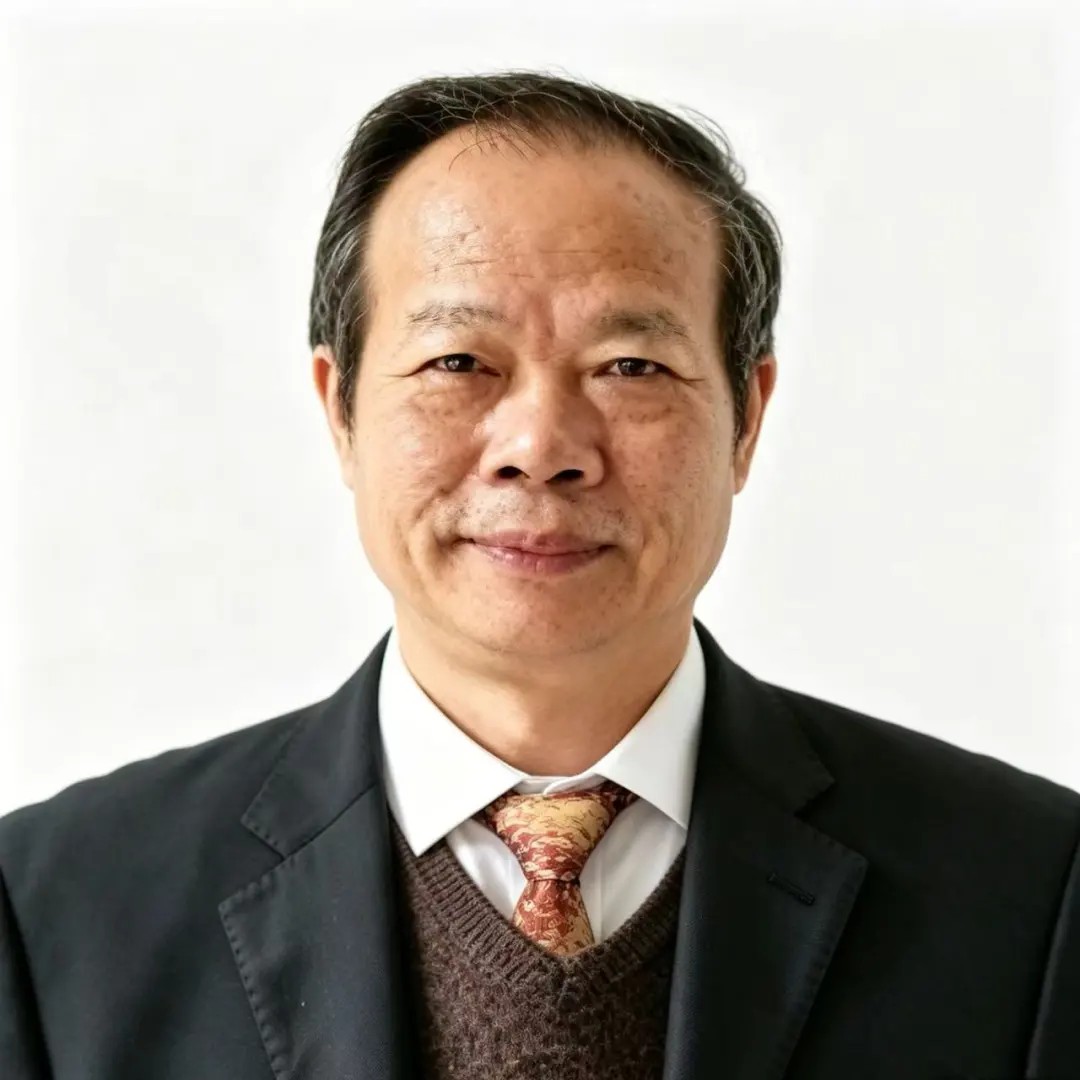
Wang Guixue , PI of Jinfeng Laboratory, second-level professor and doctoral supervisor of Chongqing University, enjoys special government allowances from the State Council, fellow of the International Federation of Biomaterials Science and Engineering Societies, and fellow of the Chinese Biomaterials Society; He has long been engaged in basic research and application transformation of atherosclerotic cardiovascular and cerebrovascular biomechanics, vascular tissue damage repair materials, and nano-drug delivery. Chief expert of the National Science and Technology Support Plan/National Key R&D Plan/National Major Project on Genetically Modified Materials. He once served as dean/secretary of the School of Bioengineering of Chongqing University and deputy director of the Academic Committee of the Ministry of Medicine.
speak seat slip between
Restenosis after stent implantation is a core problem in the field of vascular interventional therapy. Although drug-eluting stents can significantly reduce the incidence of postoperative restenosis, their non-selective inhibition of cell proliferation can delay endothelial repair and increase the risk of late stent thrombosis. How to effectively inhibit abnormal proliferation of vascular smooth muscle while accelerating complete endothelial repair has become a key breakthrough in the development of a new generation of coronary stents. Stem cells have both immune regulation and tissue repair potential. Combining them with scaffold materials is expected to achieve a synergistic therapeutic effect of inhibiting abnormal proliferation and promoting endothelial repair. The specific mechanism of action in this direction is not yet clear. This lecture will systematically analyze the mechanobiological mechanism of stent restenosis, focus on the design concept and biological effects of stem cells and stem cell-derived nanovesicles modified stents, and deeply explore the interaction mechanism between materials, cells and mechanical microenvironment, providing an important theoretical basis for the development of safer and more efficient new vascular stents.
Everyone is welcome to actively participate


Number
023-68059937
Email:Jinfeng@jflab.ac.cn
Address:
No.313, Bella Road Chongqing High-tech Zone
Postal code: 401329

 渝公网安备50009802002274