
Lecture time
May 21, 2026 (Thursday) 14:00-17:00
Lecture location
Conference Room 321, Building 1, Jinfeng Laboratory
Lecture topic 1: Research on the application of spatiotemporal analysis of cell chemical signals and analysis of pathophysiological mechanisms
Introduction to the speaker
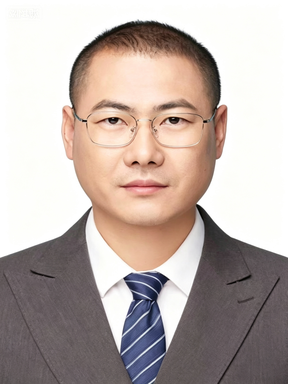
Zang Guangchao , PhD, master's tutor, deputy director of Experimental Teaching Management Center of Chongqing Medical University; Associate Professor of Chongqing Medical University, Professor of the Second Clinical College of Chongqing Medical University (double appointment) ; Vice chairman of Chongqing Synthetic Biology Society, director of Chongqing Cognition Society, member of the Medical Device Professional Standing Committee of Chongqing Pharmaceutical Society, and IMed youth editorial board member. In the past five years, he has published nearly 40 papers as the corresponding author (including co-authors) in Science Bulletin, iMeta, Angewandte Chemie, Research, Bioactive Materials, Exprloration, Advanced Science, Biosensors and Bioelectronics, Chemical Engineering Journal, Small, etc., has 20 authorized patents, and drafted 4 team standards. Served as the person in charge of the "Biomedical Innovation and Entrepreneurship" micro major (Double Thousand Plan of the Ministry of Education). In the past five years, he has guided students to win nearly 100 awards at the provincial and ministerial level or above in the China International Internet+ Competition, Challenge Cup Competition, Life Science Competition and other Ministry of Education Class A competitions. ; Students were selected for honors such as the Self-improvement Star of Chinese College Students and the Chongqing Youth Science and Technology Innovation Mayor Award, and the training process was featured in CCTV Chinese International Channel.
speak block summary
Dynamic changes in key signals such as reactive oxygen species, neurotransmitters, and antioxidant molecules in the organ microenvironment are closely related to the occurrence and development of diseases, the evaluation of drug effects, and the construction of highly bionic organ chips. Focusing on this key scientific issue, the team focused on key biological signals in multiple organ systems such as the brain, liver, intestines and tumors, and developed a series of dynamic electrochemical analysis strategies. Relevant studies have focused on key biological signals such as changes in ascorbic acid during glutamate-induced brain cytotoxic edema, abnormal fluctuations of dopamine under neuroinflammation, redox imbalance in the tumor microenvironment, glutathione-mediated protective effects during hepatotoxicity, and 5-hydroxytryptamine release induced by mechanical stimulation of the intestinal mucosa. An electrochemical sensing detection system interface with high sensitivity, high selectivity, good anti-pollution ability, and flexible adaptation characteristics was constructed. The report will systematically summarize the interface design ideas and technical paths for in-situ, real-time, and dynamic detection of key biological signals in multi-organ microenvironments, and further explore the feasibility and application prospects of its integration with organ-on-a-chip platforms, with a view to providing reference for disease mechanism research, drug screening, and the construction of new smart organ-on-a-chip systems.
Lecture topic two : Specific antibacterial vesicle materials
Introduction to the speaker
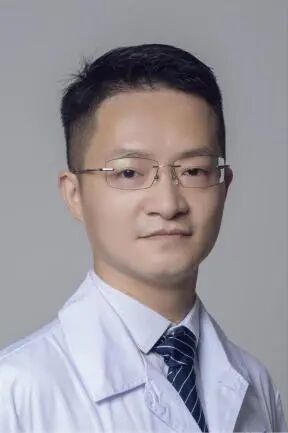
Yang Jiaojiao , associate researcher at West China Stomatological Hospital/National Key Laboratory of Oral Disease Prevention and Treatment. Bachelor's and Master's degrees from Sichuan University, Ph.D. from Uppsala University. He concurrently serves as a standing committee member or member of the Oral Materials Committee of the Sichuan Stomatological Association and other societies, and a youth editorial board member of magazines such as "Exploration" and "Nano TransMed". The main research directions are vesicle antibacterial materials and underwater adhesives. He has presided over more than 10 projects at the national, provincial and ministerial levels. In the past five years, he has published 37 academic papers (13 with IF>10) in Prog Mater Sci, Adv Mater, and Adv Funct Mater as the corresponding author. He has applied for/authorized more than 10 PCT patents and Chinese invention patents, and some of his results have entered the commercial development stage.
speak block summary
Clinical scenarios such as tumor radiotherapy and chemotherapy, organ transplantation, and orthopedic implantation are easily ineffective due to bacterial infection. Traditional antibacterial drugs can easily cause bacterial imbalance and cell and tissue damage. Specific antibacterial vesicle materials achieve targeted sterilization with precise identification. While protecting normal bacteria, host cells and normal tissues, they can effectively eliminate pathogenic bacteria and reduce the risk of drug resistance. They have both anti-infection and tissue repair functions, providing a safe and efficient new solution for the prevention and treatment of clinical drug-resistant infections.
Everyone is welcome to actively participate


Number
023-68059937
Email:Jinfeng@jflab.ac.cn
Address:
No.313, Bella Road Chongqing High-tech Zone
Postal code: 401329

 渝公网安备50009802002274