
Lecture review
Lecture 1: Research Progress in Vascular Biomechanics and Biomaterials
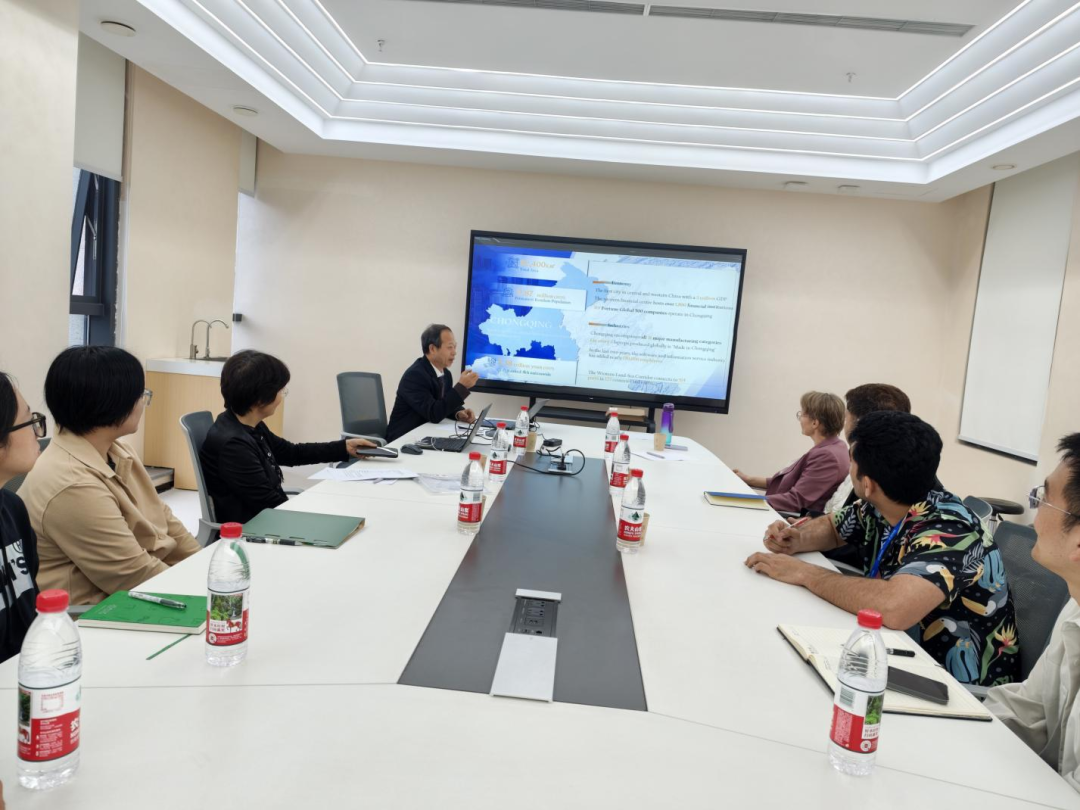
Introduction to the speaker
Wang Guixue , second-level professor and doctoral supervisor of Chongqing University, part-time PI of Jinfeng Laboratory, enjoys special government allowances from the State Council, fellow of the International Federation of Biomaterials Science and Engineering Societies, and fellow of the Chinese Biomaterials Society; He has long been engaged in basic research and application transformation of atherosclerotic cardiovascular and cerebrovascular biomechanics, vascular tissue damage repair materials, nano-drug delivery, etc., and is the chief expert of the National Science and Technology Support Program/National Key R&D Program/National Major Project on Transgenics. He has been selected into the Elsevier Chinese Highly Cited Scholars, the world's top 100,000 scientists, and the world's top 2% scientists' annual and lifetime influence lists. He is deputy editor-in-chief of the journals "Research" and "Genes & Diseases" and an editorial board member of "iMeta" and "Biomedical Materials". He once served as dean/secretary of the School of Bioengineering of Chongqing University and deputy director of the Academic Committee of the Ministry of Medicine.
Key points of the lecture
Book This lecture focused on the key scientific issue of how to use the mechanical environment within blood vessels to guide the design of biomaterials. The speaker pointed out that blood vessel wall cells can regulate their own proliferation, migration and differentiation through specific mechanical signal transduction pathways. However, existing vascular repair materials often ignore the mechanical-biological coupling process, resulting in poor mechanical adaptability between the material and the host tissue. In response to the above problems, the research team proposed a solution strategy based on the concept of mechanical adaptation: by constructing intelligent responsive biomaterials with mechanical properties that match vascular tissue, such as hydrogels and degradable scaffolds, they can regulate cell behavior in the dynamic mechanical environment in the body and promote in-situ regeneration of blood vessels. The lecture focused on the team’s specific ideas on material design. The results show that this strategy can significantly improve the mechanical compatibility between the implant and the host, providing new ideas and experimental basis for the development of a new generation of vascular repair materials. In addition, the lecture briefly introduced the scientific research layout of Jinfeng Laboratory and Chongqing University in this field, so that everyone can understand the relevant domestic research platforms and cooperation directions.
讲座二:The Double-Edged Sword: Notch Signaling at the Crossroads of Osteogenesis and Cardiovascular Pathology, with a Focus on the Endothelium
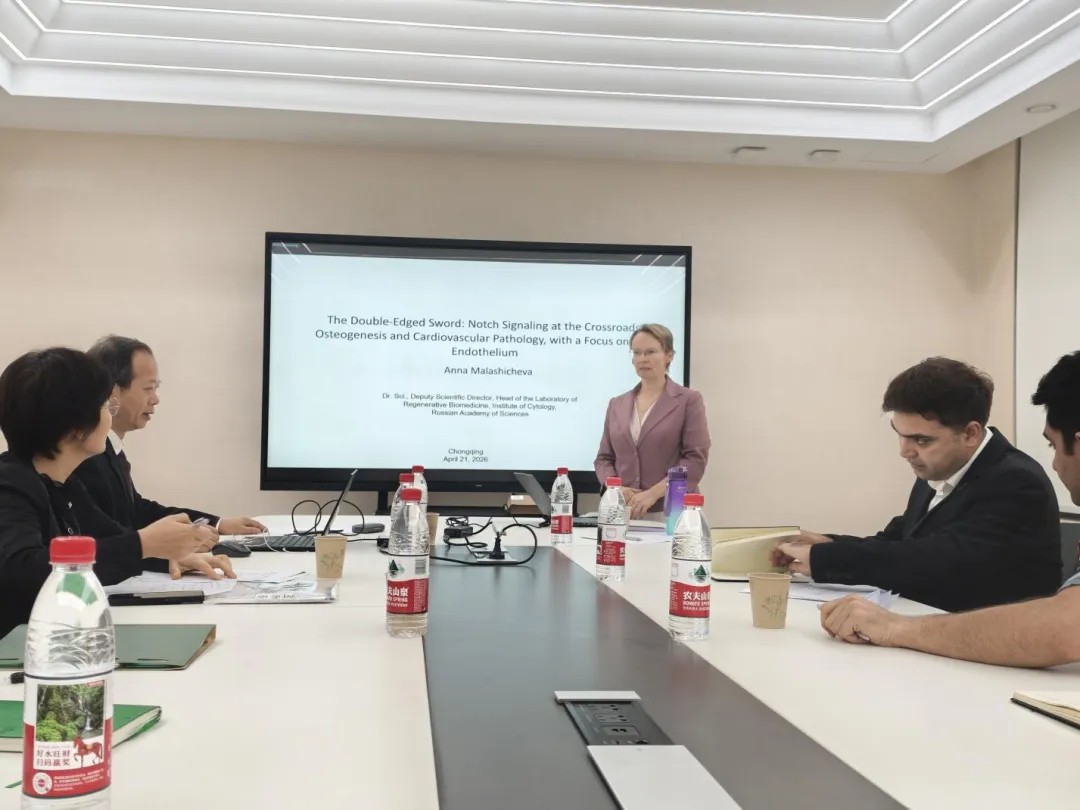
Introduction to the speaker
Anna B. Malashicheva , Deputy Scientific Director of the Institute of Cytology of the Russian Academy of Sciences, Director of the Laboratory of Regenerative Biomedicine, Doctor of Science. He has long been engaged in regenerative biomedicine and cardiovascular related research, and has profound academic accumulation in the field of cell fate regulation and signaling pathway research. His research focuses on the regulatory role of the Notch signaling pathway in cell proliferation, differentiation and apoptosis, with particular attention to its functional mechanisms in cardiovascular system development and disease.
Key points of the lecture
The lecture focused on the regulatory role of Notch signaling in endothelial cells and its impact on osteogenic differentiation and cardiovascular pathology. Disruption of endothelial integrity triggers pathological calcification of valves, primarily through direct endothelial cell interactions that actively promote osteogenic differentiation. Experimental results showed that osteogenesis in the contact co-culture system was significantly enhanced in a dose-dependent manner, whereas non-contact conditions inhibited differentiation. This highlights the importance of juxtocrine signaling as opposed to purely paracrine effects. Mechanistically, Notch signaling in endothelial cells was identified as a key regulator of this process. Activation of Notch enhances osteogenic differentiation, whereas its inhibition inhibits osteogenic differentiation, confirming that endothelial Notch signaling is a guiding pathway for mesenchymal and osteoblasts. The lecture further demonstrated that endothelial cells act as biological "mentors" guiding cell fate and tissue regeneration. Therefore, modulating Notch signaling in endothelial cells represents a promising strategy to control pathological calcification and enhance bone regeneration. Overall, this lecture focused on reporting on the critical role of endothelial cell communication in osteogenesis and the possibility of positioning Notch-modified endothelial cells as potential therapeutic tools in regenerative medicine.
讲座三:RPL3 Lactylation Increases Aortic Valve Calcification Progression via Driving Ribosome Stalling
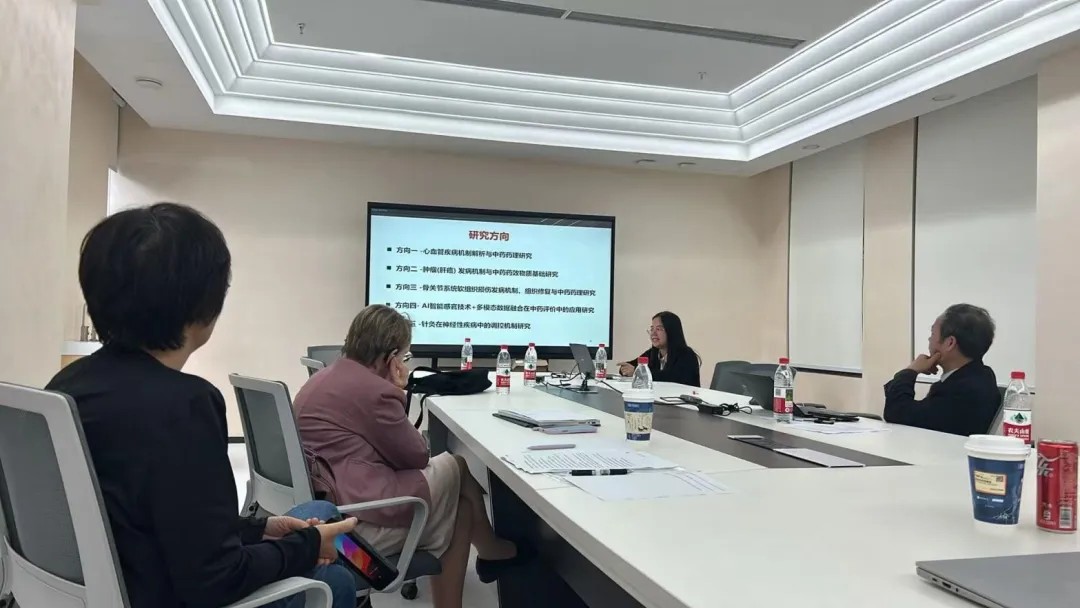
Introduction to the speaker
Wang Chunli , PhD in Engineering and Postdoctoral in Biology from Chongqing University. Currently, he is an associate professor and master's tutor at Hubei University of Traditional Chinese Medicine. He was selected into the Hubei Province High-Level Talent Project. Mainly engaged in research work on biomechanics and biomechanical pharmacology, he has achieved fruitful results in the pathogenesis and drug treatment of cardiovascular diseases and tumors. So far, as the first/corresponding author, he has published more than 50 SCI papers in European Heart Journal, Advanced Science, British Journal of Pharmacology and other magazines, including 3 ESI highly cited papers. ; Apply for 6 invention patents ; He has presided over 5 projects of various types such as the National Natural Science Foundation of China, and participated in more than 10 projects of various types such as the National Natural Science Foundation of China. Currently, he is a youth member of the Biomechanics Committee of the Chinese Society of Biomedical Engineering ; Member of the Hemorrheology Professional Committee of the Chinese Microcirculation Society.
Key points of the lecture
host Arterial valve calcification is an active and controllable pathological process, in which the "osteogenic transformation" of valve interstitial cells is a key cellular event. This lecture focuses on the core regulatory role of the "glycolysis pathway" in this transformation process. The latest research shows that abnormal metabolic reprogramming of valve interstitial cells, especially the overactivation of glycolysis, is a key pathway that drives their differentiation into osteoblast-like cells. Abnormally enhanced glycolysis not only provides energy and substrate for rapid cell proliferation, but more importantly, it leads to a large accumulation of intracellular lactic acid and induces a new type of epigenetic modification - lactic acidification modification. The lecture will provide an in-depth analysis of how lactic acid derived from glycolysis modifies histones or key transcription factors through lactic acidification, reshaping the gene expression network of cells, thereby specifically activating osteogenesis-related genes (such as Runx2, BMP2, etc.), ultimately causing valve interstitial cells to acquire an osteogenic phenotype, initiating and aggravating valve calcification. By revealing the signaling axis of "glycolysis-lactate-lactation-osteogenic gene transcription", this lecture aims to provide a new perspective on understanding the molecular mechanism of aortic valve calcification and explore the scientific basis for targeting lactation modification as a potential therapeutic strategy.
讲座四:Engineering Biomaterial Surfaces for Bone Regeneration and Antibacterial Applications
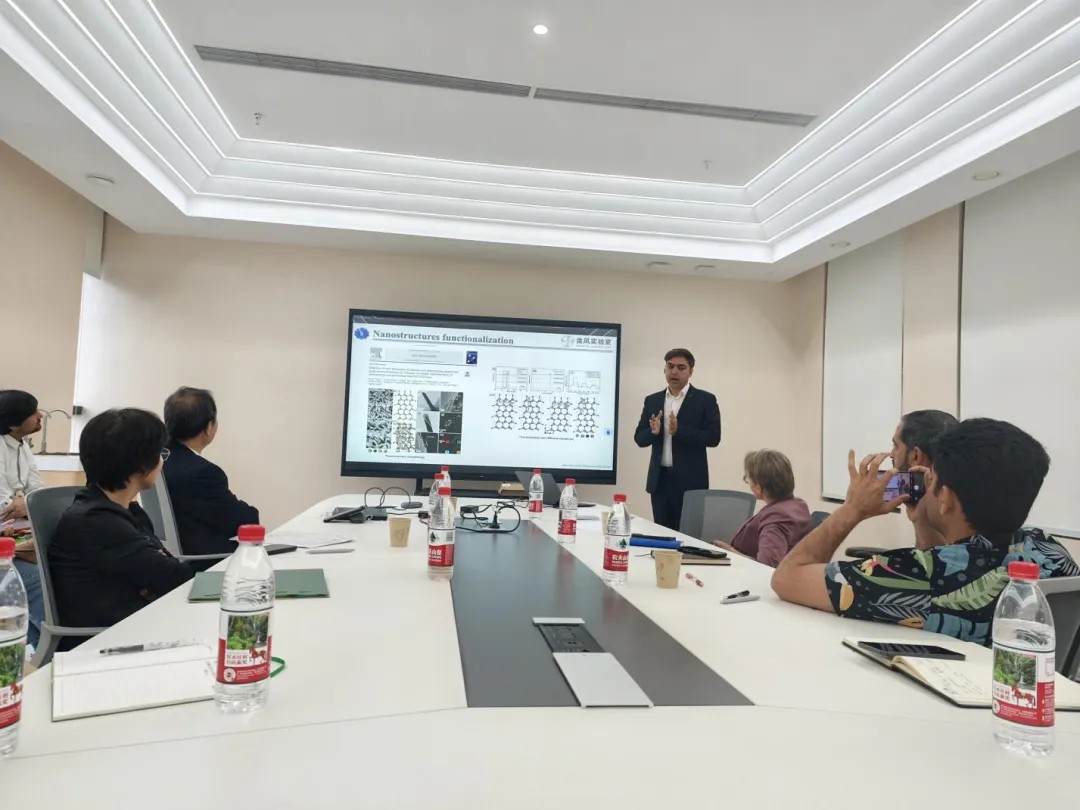
Introduction to the speaker
Ihsan Ullah , associate researcher in Jinfeng Laboratory, is mainly engaged in biomaterials and surface engineering for antibacterial and bone regeneration applications, including the design of multifunctional implant coatings, nanostructure-mediated antibacterial mechanisms, and size-dependent cell-bacterial interactions and ion-regulated osteogenesis. Published SCI papers as the first/corresponding author in Advanced Functional Materials, ACS Applied Materials & Interfaces, Acta Biomaterialia, Journal of Materials Science & Technology and other magazines.
Key points of the lecture
Book This lecture introduces surface modification strategies of engineered biomaterials to improve bone regeneration and antibacterial properties of orthopedic implants. The aging of the population has intensified the clinical demand for bone implants. However, traditional implant materials have the defects of biological inertness and no inherent antibacterial properties, which can easily lead to poor osseointegration and postoperative infection. To address these challenges, the lecture focused on surface modification methods using nanostructures and functional coatings. In particular, a ZnO-based nanostructure and ion-doped coating is introduced as an effective strategy to achieve dual functions, which can controlly release Zn²+, Ga³+ and Ag+ plasma, exert antibacterial effects through reactive oxygen species (ROS) generation, membrane destruction and metabolic interference, while promoting osteogenic differentiation and bone formation. Importantly, the lecture emphasized size-selective antibacterial strategies, which take advantage of the differences in size and structure between bacteria and mammalian cells to achieve bactericidal while retaining host cell compatibility. The lecture further emphasized that regulating surface chemistry, phase composition, and apatite layer formation can circumvent the bacterial shielding effect and create a microenvironment suitable for cell adhesion, proliferation, and tissue integration. In vivo experiments have confirmed that the modified surface can effectively resist infection, inhibit inflammation, promote bone regeneration and implant integration. These findings highlight the synergistic effects of nanostructure design, ion release, and surface engineering in improving implant performance, providing a comprehensive strategy for next-generation biomaterials that simultaneously address infection control and tissue regeneration.


Number
023-68059937
Email:Jinfeng@jflab.ac.cn
Address:
No.313, Bella Road Chongqing High-tech Zone
Postal code: 401329

 渝公网安备50009802002274