
Lecture time
May 14, 2026 (Thursday) 15:00-17:30Lecture location
Conference Room 302, Building 1, Jinfeng Laboratory
Lecture topic one: HECTD3 Promote macrophages M1 Type differentiation inhibits breast cancer growth
Introduction to the speaker

Chen Ceshi , Ph.D., researcher, doctoral supervisor, director of the Institute of Biomedical Engineering, Kunming Medical University, visiting researcher at the Kunming Institute of Zoology, Chinese Academy of Sciences; Winner of the "Outstanding Youth" Fund of the National Natural Science Foundation of China, selected for the National Talent Project, and enjoys special government allowances from the State Council ; Hosted a key project of the National Natural Science Foundation of China and was chief scientist of a key R&D program of the Ministry of Science and Technology. ; He has long been engaged in research on breast cancer, ubiquitination, stem cells, anti-cancer drugs, etc., and has published more than 150 SCI papers in international journals, including the corresponding author's Advanced Science,Signal Transduction and Targeted Therapy,Nature Communications,Cell Death Differentiation,Cancer Research and other papers. He has been cited more than 8,000 times and has an H-index of 51. He serves as the executive editor of the International Journal of Biological Sciences and the editorial board member of Cancer Letters, J Genetics and Genomics, and Cancer Biological Medicine. Member of the Standing Committee of the Breast Cancer Professional Committee of the Chinese Anti-Cancer Association, Vice President of the Tumor Cell Branch of the Chinese Society of Cell Biology, and Director of the Chinese Society of Cell Biology 。
Lecture summary
As an E3 ubiquitin ligase, HECTD3 knockout mice have accelerated tumor growth and increased M2 differentiation of macrophages. Mechanistic studies have found that HECTD3 promotes its stability and activation by modifying STAT1 by ubiquitination, promoting M1 differentiation of macrophages and inhibiting the growth of breast cancer. Activating HECTD3 activity in macrophages inhibits breast cancer.
Lecture Topic 2: Research on Molecular Mechanisms and Targeted Interventions of Cancer Epigenetic Regulation
Introduction to the speaker
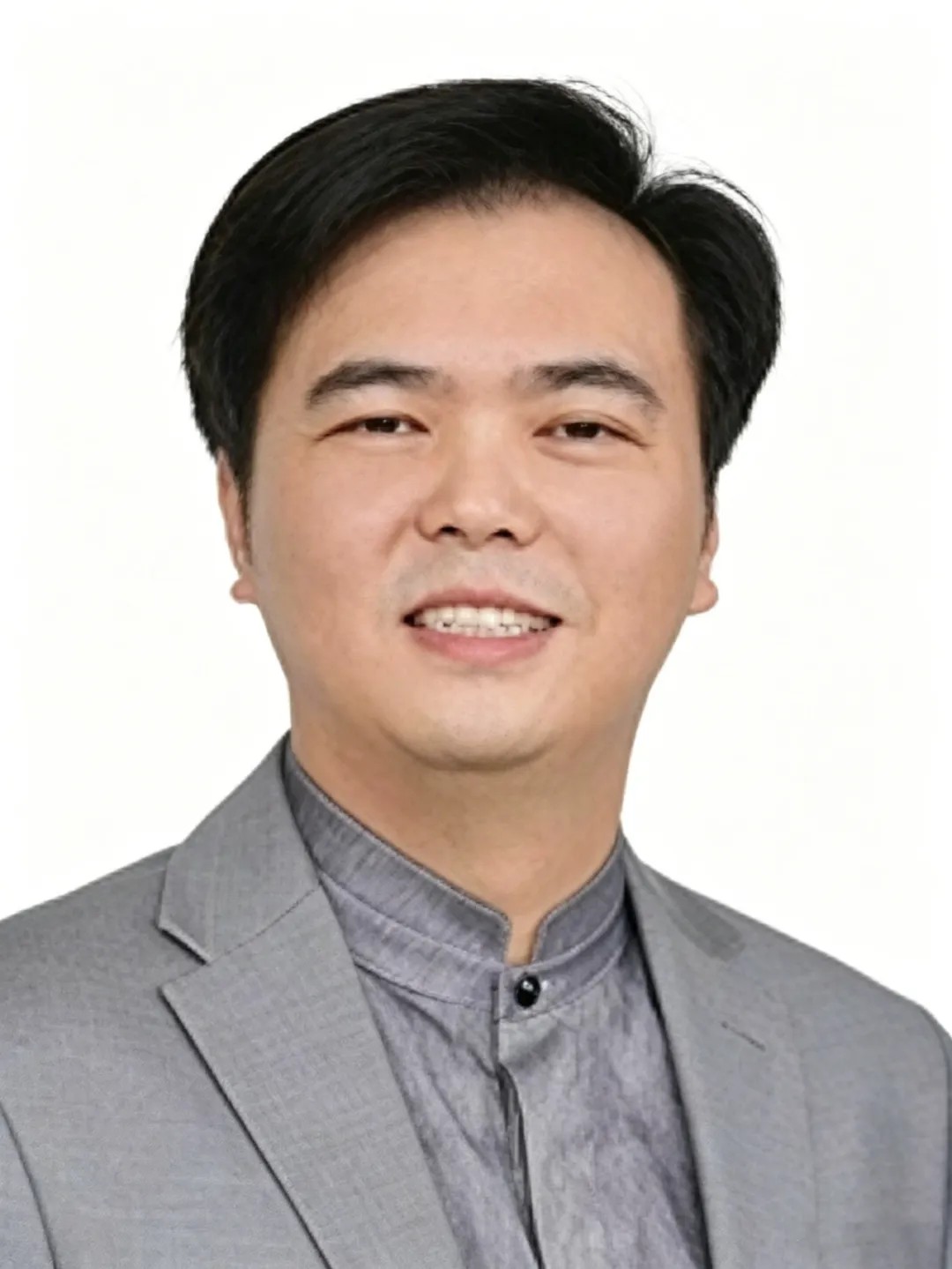
Liu Wen , Nanqiang Distinguished Professor, doctoral supervisor, dean of the School of Pharmacy, Xiamen University, director of the Fujian Provincial Key Laboratory of New Drug Target Research, mainly focusing on epigenetic molecular mechanisms and applied research on major diseases such as cancer.; Hosted a number of projects: including National Natural Science Foundation of China Outstanding Youth Fund, Outstanding Youth Fund, Regional Innovation and Development Joint Fund Key Projects, NIH-NSFC Biomedical Collaborative Research Project, NSFC-RS Chinese-British Talent Project, Major Research Plan Projects (Cultivation Projects), and General Projects ; Responsible for the major research project of the Ministry of Science and Technology The person in charge has published many high-level research papers, including Nature, Cell, Cancer Cell, Developmental Cell, Molecular Cell, Science Advances, Nature Communications, PNAS, EMBO Journal, etc.; In the anti-cancer section The research results of K-80003 have wide influence internationally. This small molecule has obtained approval from the US FDA for clinical trials in advanced colorectal cancer and entered Phase I clinical trials. He has won many honors, including the Chinese Pharmaceutical Association-Sanofi Youth Biopharmaceutical Award, the First Prize of Fujian Natural Science Award and the Fujian Yunsheng Youth Science and Technology Award.
speak seat slip between
Protein methylation modification is one of the ubiquitous post-translational modifications in cells, which is precisely regulated by protein methyltransferases and demethylases. Disorders in the regulation of protein methylation modifications have been proven to be closely related to the occurrence and development of cancer. The speaker focused on the functions and molecular mechanisms of protein methyltransferases, demethylases and methylation modifications in cancer, as well as their application in cancer treatment.
Lecture topic three : Study on the mechanism of MEIS1 regulating drug resistance in colorectal cancer
Introduction to the speaker
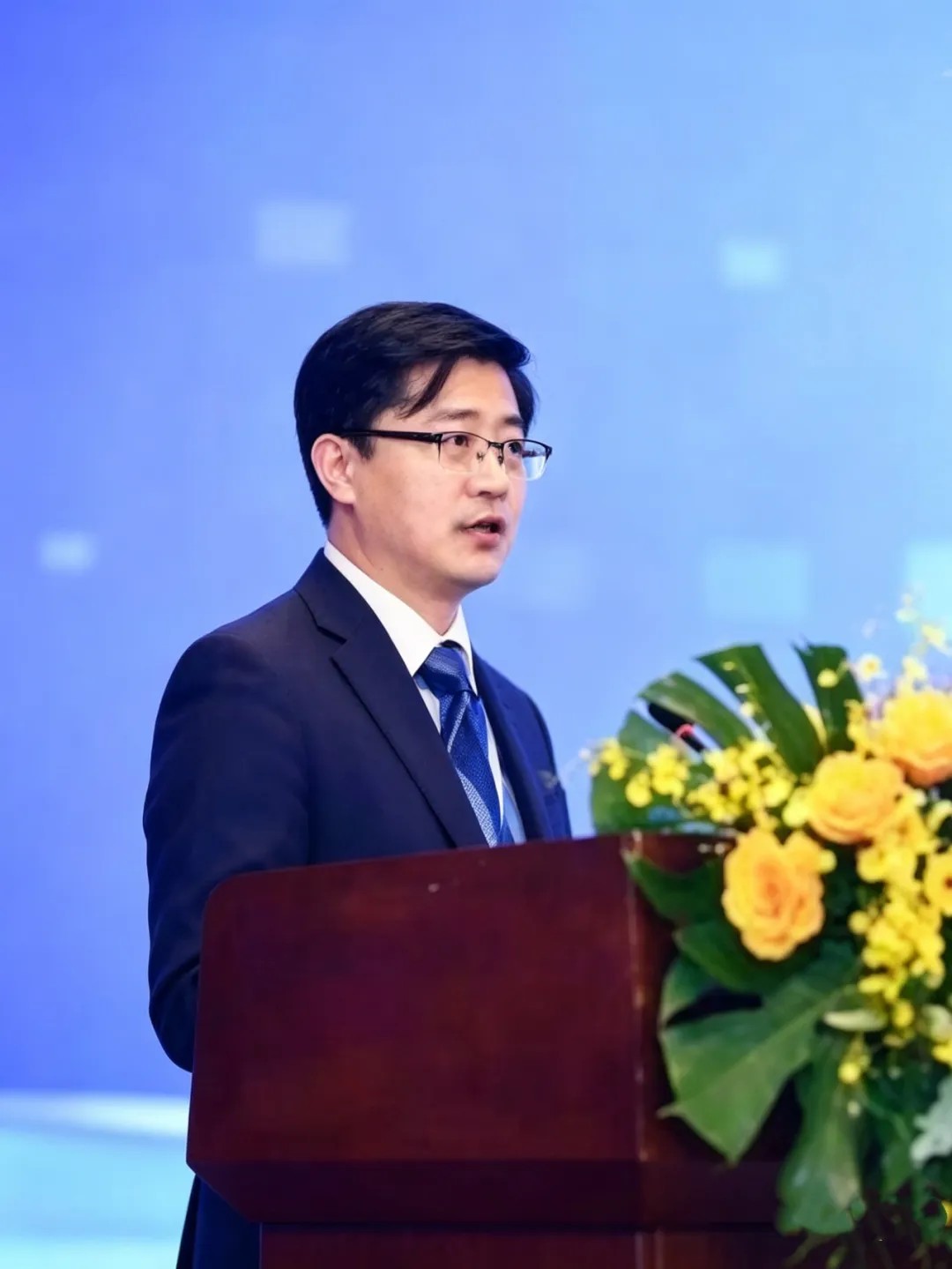
Yin Gang , Ph.D. in Molecular Genetics, Hunan Province Furong Scholar, professor in the Department of Pathology, doctoral supervisor, visiting associate professor at Yale University School of Medicine, and former vice dean of the School of Basic Medicine at Central South University. From 2006 to 2010, he engaged in postdoctoral research at the University of Minnesota Medical School and Yale University School of Medicine. From 2010 to 2012, he worked as an assistant researcher at Yale University School of Medicine. After returning to China in 2012, he has been engaged in research on the maintenance of stemness of cancer stem cells and the mechanisms of cancer metastasis and drug resistance. Has chaired the American Ovarian Cancer Related Foundation He has received 2 gold medals, 4 National Natural Science Foundation projects, 2 Hunan Provincial Key R&D Programs, 2 horizontal projects, and co-hosted 1 Youth Project of the Ministry of Science and Technology Key R&D Program. Published more than 50 SCI papers as corresponding author or first author in internationally renowned journals such as Signal Transduction and Targeted Therapy (STTT), Molecular Cancer, Cell Death & Differentiation, Theranostics, Oncogene, etc. He has served as an expert in the second review of the National Natural Science Award, an expert in the second review of the Ministry of Science and Technology’s Ten Thousand Thousand Persons Plan, and an expert in the second review of the Hunan Provincial Natural Science Award.
speak seat slip between
MEIS1 acts as a molecular decoy that competitively acquires ubiquitin transfer to protect p53, stabilizing p53 by disrupting the interaction between MDM2 and p53 or inhibiting its E3 ligase activity. It is based on a MEIS1-derived peptide and can inhibit cell proliferation and tumor growth by enhancing the stability of MEIS1 and p53. Provide new insights into p53-dependent tumor suppressive therapeutic strategies in colorectal cancer.
Lecture Topic 4: Integrating single cell functional multi-omics to discover new targets for diagnosis and treatment in the tumor microenvironment
Introduction to the speaker
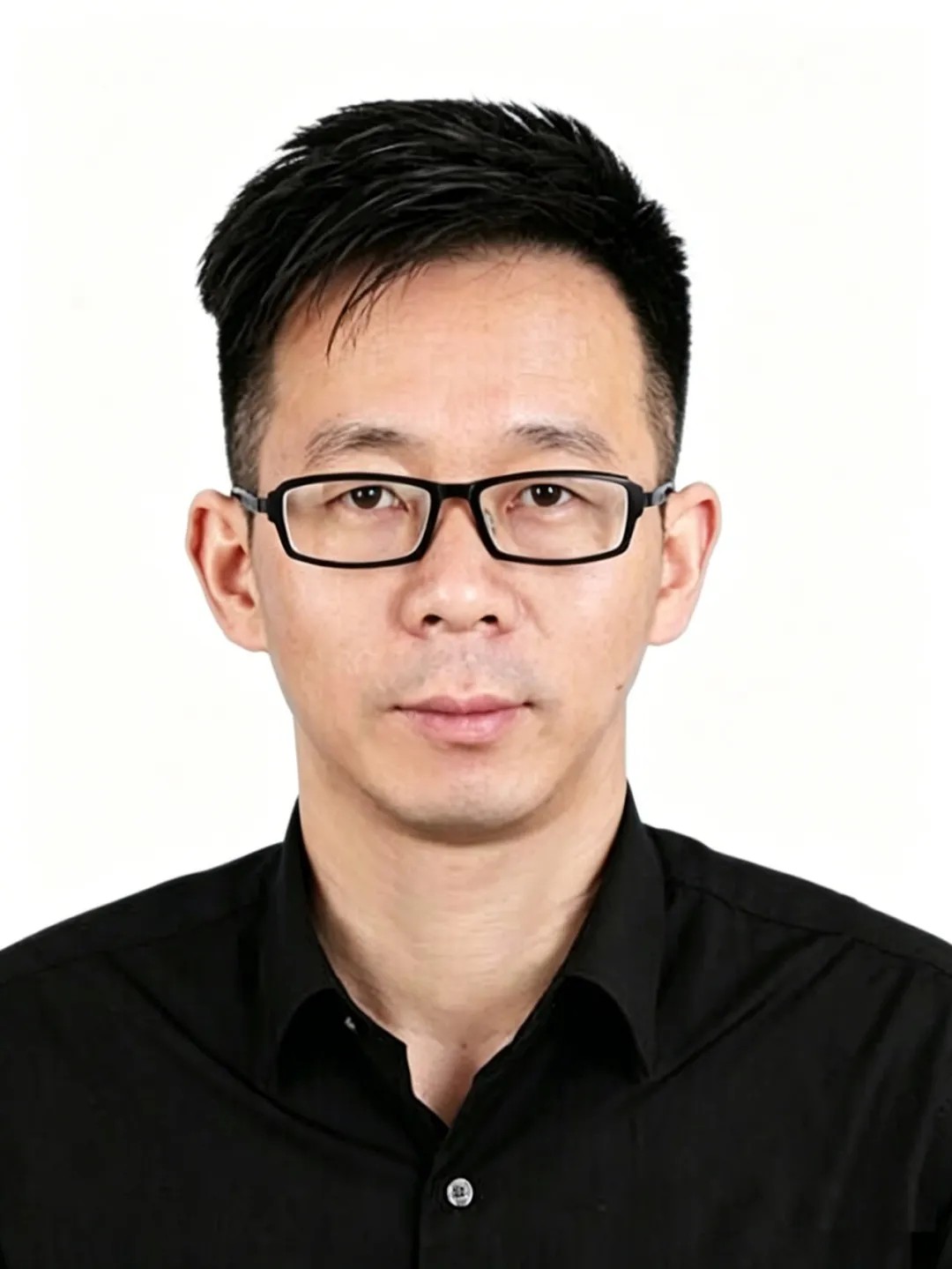
Zou Chang , professor, doctoral supervisor at the School of Medicine at Southern University of Science and Technology and the Chinese University of Hong Kong (Shenzhen), outstanding young medical talents in Guangdong Province, and high-level overseas talents in Shenzhen. Mainly engaged in the basic and clinical transformation of personalized medicine and precision medicine for solid tumors Research. He has presided over 12 major projects of the National Natural Science Foundation and provincial and municipal levels. In the past five years, he has published tumor research as the first and corresponding author (including co-authors) in journals including Cell, J Exp Med, J Thorac Oncol, Nat Commun, Cancer Research, Signal Transduct Target Ther, etc. He has published more than 50 relevant SCI papers (IF ≥ 5, 40 papers, IF ≥ 10, 20 papers, IF ≥ 20, 9 papers). He serves as the deputy chairman of the Cellular Medicine Branch of the China Association for the Promotion of Food and Drugs, the deputy director of the Shenzhen Branch of the China Lung Cancer Prevention Alliance, the youth deputy chairman of the Virus Oncology Branch of the Chinese Hospital Association, the vice chairman of the Molecular Diagnostics Branch of the Guangdong Translational Medicine Society, and the president of the Precision Medicine Branch of the Shenzhen Medical Doctors Association. He won the first prize of Guangdong Province Science and Technology Progress Award. 。
speak seat slip between
Resistance after drug treatment is one of the most serious clinical challenges in solid tumors and one of the key scientific issues in the field. The heterogeneity of the tumor microenvironment is critical for the development of treatment resistance. The heterogeneity of the microenvironment includes very complex mechanisms such as subclonal heterogeneity of cancer cells in different pathological areas and their remodeling of the microenvironment, as well as interactions between different cell subpopulations. How to combine in vivo and in vitro functional studies to elucidate "the key interactions between key cell subpopulations in the microenvironment that lead to the molecular mechanism of drug resistance" is a difficult and key scientific issue in this field. In-depth research on this issue is expected to provide new solutions for breakthroughs in precision tumor treatment.
Everyone is welcome to actively participate


Number
023-68059937
Email:Jinfeng@jflab.ac.cn
Address:
No.313, Bella Road Chongqing High-tech Zone
Postal code: 401329

 渝公网安备50009802002274