
Lecture time
2026 April 24, 15:00-17:00Lecture location
Conference Room 302, Building 1, Jinfeng Laboratory
Lecture topic 1: Stem cell-based treatment strategies for retinal degeneration
Introduction to the speaker
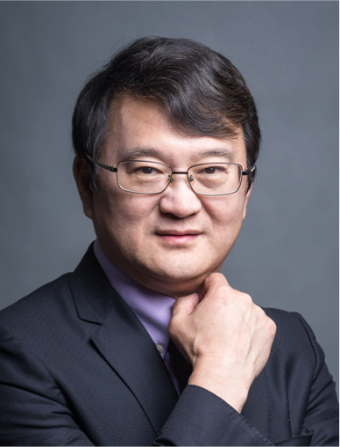
Xu Guotong, Bachelor of Medicine from Harbin Medical University, Doctor of Medicine from Peking Union Medical College, and Doctor of Pharmacy from the University of North Texas. He is currently a distinguished professor at Tongji University, executive dean of Jiren Academy, director of the East China Stem Cell Bank and chief researcher of the affiliated Tongji Hospital. He has long been engaged in research on the pathogenesis of age-related eye diseases (macular degeneration, diabetic retinopathy) and research on stem cell and gene therapy. He has innovatively proposed strategies and mechanisms for the treatment of diabetic eye diseases with EPO, and established a method for efficiently inducing the differentiation of human iPS cells into RPE cells to treat retinal degeneration. He once served as the first president of the Stem Cell Biology Branch of the Chinese Society of Cell Biology, and served three times as the chief scientist of the Ministry of Science and Technology’s 973/major research plan and major international cooperation stem cell projects. He has published more than 160 SCI papers, which have been cited more than 2,000 times, and has edited many monographs. He has won honors such as the Baosteel Outstanding Teacher Award, the Young and Middle-aged Experts with Outstanding Contributions from the Ministry of Health, and the Silver Medal of the International Exhibition of Inventions in Geneva.
Lecture Introduction
Retinal degeneration, especially age-related macular degeneration (AMD), STGD and highly myopic retinal degeneration, are common blinding eye diseases and lack effective treatments. In the past 20 years, with the support of multiple national projects, we have conducted research on a variety of cells and stem cells to treat retinal degeneration. This report will focus on several of the potentially therapeutic cell therapy methods and mechanisms of action, including retinal progenitor cells, mesenchymal stem cells, adipose stem cells, and pluripotent stem cell (ESC and iPSC)-derived retinal pigment epithelial (RPE) cells. In the RCS rat model, naive RPE cells (iPSC-nRPEC) were compared and screened in multiple dimensions. nRPEC at this stage shows a protective effect on retinal structure and function that is significantly better than other cells and has industrialization advantages. The mechanism involves nRPEC's high expression of extracellular matrix-related genes, which enables it to survive, mature and function better in the patient's retinal pathological microenvironment, showing better and longer-lasting therapeutic effects. At the same time, the method established to efficiently induce nRPEC differentiation significantly shortens the induction cycle, reduces production costs and improves accessibility. It has been transformed into corporate compliance production and clinical trials have been launched.
Lecture Topic 2: Application of Gene Editing Technology in Stem Cell and Model Animal Research
Introduction to the speaker
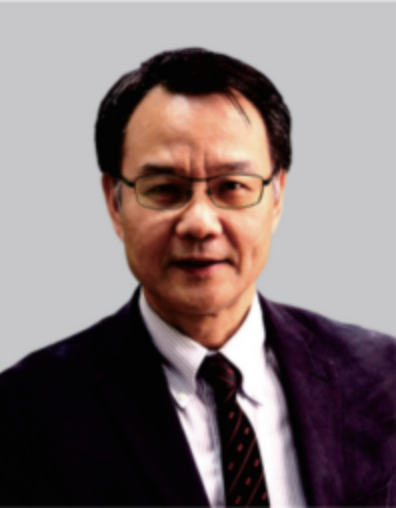
Yu Xiaofeng, Chief scientist of Saiye Biotechnology. Dr. Yu received a doctorate from the Academy of Military Medical Sciences and has worked at Yale University School of Medicine, New York University School of Medicine, American Gene Targeting Company (iTL) and American Applied Stem Cell (ASC) Biotechnology Company. He has more than 25 years of R&D and management experience in the field of gene editing model animals. Dr. Yu is currently the chief scientist of Saiye Biotechnology and the chairman of IACUC. He is mainly responsible for the technical services of the gene editing model animal platform. His research results have been published in high-level magazines such as Nat Immunol and Mol Cell Biol. Dr. Yu is currently also a member of the Sterile Animal Professional Committee of the Chinese Laboratory Animal Society and the deputy director of the Disease Model Branch of the Guangdong Society for Precision Medicine Application.
speak seat slip between
This lecture will introduce the application ideas of gene editing technology in scientific research, discuss its application strategies and methods of constructing model animals, and conduct an in-depth analysis of key considerations in the application of conditional gene editing animal models, providing systematic reference and inspiration for research in related fields.
Lecture Topic 3: Research and Development of New Stem Cell and Gene Therapy Drugs for Neuropathy
Introduction to the speaker
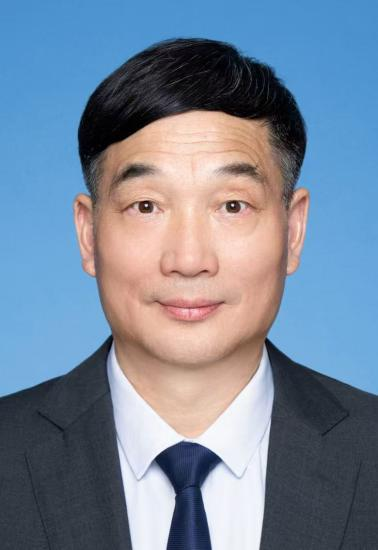
rather, PI of Jinfeng Laboratory, tenured professor of neuroscience at the University of Sheffield, UK, chair professor at Tongji University in Shanghai, participant and project leader of preclinical research on the first effective gene therapy drug for the central nervous system, main member and gene therapy director of the British Pediatric Muscular Dystrophy (SMA) Research Society, former co-founder of Guangdong Xiankangda Group and leader of gene therapy Chief Scientific Officer, he has participated in 14 scientific research projects with a fund of 5 million pounds and served as multiple principal investigators. He has published many high-level international papers with a ResearchGate score of 36.91, a total of more than 2,800 citations, and a cumulative impact factor of 448.2. He has extensive influence in the field of international neurodegenerative disease research.
speak seat slip between
This lecture will introduce the treatment strategies and new drug development of stem cell and gene therapy in neuropathy. The stem cell section mainly includes the application of iPS and adipose stem cells in neurodegenerative diseases (AD, ALS, etc.) and spinal cord injury. Gene therapy focuses on new drug development and clinical translation research for motor neuron diseases (ALS and SMA).
Lecture topic 4: Super multiplex immunofluorescence technology—panoramic analysis from principle to practice
Introduction to the speaker
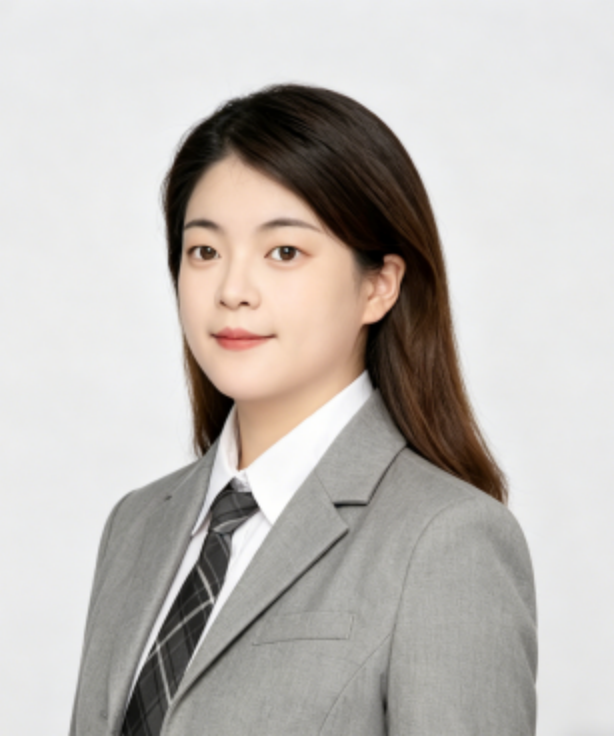
Li Xue, Master, graduated from North Sichuan Medical University. He has been engaged in research on the molecular mechanism of alcoholic liver disease and the intervention and treatment of liver disease with natural medicines such as kudzu root for many years. He has published many SCI papers as the first author and has accumulated solid academic achievements and practical experience in the field of scientific research. He is proficient in cutting-edge experimental technologies such as super multiplex immunofluorescence technology, tissue transparency, and tissue chip preparation, and has rich experience in the construction and application of organoid culture systems. Currently serving as the senior technical director of Shanghai Huilan Biotechnology, he can provide one-stop, personalized and overall scientific research solutions such as 30+ color super multiplex immunofluorescence, tissue chip customization, organoid culture and pathological verification according to customer scientific research needs, to help the efficient implementation of scientific research projects.
speak seat slip between
This lecture will focus on the bottleneck of traditional immunofluorescence technology. The principles and advantages of TSA technology form the core principle of super multi-label immunofluorescence technology. Taking the 12-label and 13-color experiment of human gallbladder cancer as an application case, the whole process will be explained in detail from the bottom of the technology to the implementation of the experiment.; Provide targeted solutions and pitfall avoidance guides for common problems and troubleshooting in the ultra-multi-standard experimental process, thereby helping scientific researchers to efficiently promote multi-target scientific research.
Everyone is welcome to actively participate


Number
023-68059937
Email:Jinfeng@jflab.ac.cn
Address:
No.313, Bella Road Chongqing High-tech Zone
Postal code: 401329

 渝公网安备50009802002274