
Lecture time
April 21-22, 2026 9:30-18:00Lecture location
Conference Room 4-426, Building 4, Jinfeng Laboratory
讲座题目一:The Double-Edged Sword: Notch Signaling at the Crossroads of Osteogenesis and Cardiovascular Pathology, with a Focus on the Endothelium
Introduction to the speaker
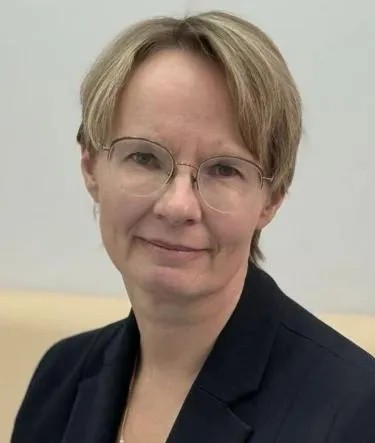
Anna B. Malashicheva , Deputy Scientific Director of the Institute of Cytology of the Russian Academy of Sciences, Director of the Laboratory of Regenerative Biomedicine, Doctor of Science. He has long been engaged in regenerative biomedicine and cardiovascular related research, and has profound academic accumulation in the field of cell fate regulation and signaling pathway research. His research focuses on the regulatory role of the Notch signaling pathway in cell proliferation, differentiation and apoptosis, with particular attention to its functional mechanisms in cardiovascular system development and disease. 。
Lecture Introduction
As an important signaling network for cell fate regulation, the Notch signaling pathway plays a key role in individual development and maintenance of adult tissue homeostasis, and is involved in regulating various biological processes such as cell proliferation, differentiation, and apoptosis. In the cardiovascular system, this pathway not only regulates heart development and blood vessel formation during the embryonic period, but is also important in maintaining blood vessel integrity and tissue repair. However, abnormal regulation of Notch signaling is also closely related to a variety of serious diseases, such as thoracic aortic aneurysm and calcific aortic valve disease. This lecture will focus on the "double-edged sword" effect of the Notch signaling pathway in osteogenesis and cardiovascular pathological calcification, and analyze its different regulatory mechanisms in normal bone formation and abnormal vascular calcification. At the same time, the report will take vascular endothelial cells as an entry point to explain how they, as a key signaling hub, affect the behavior of smooth muscle cells and interstitial cells through direct contact between cells (paracrine) and secreted factors (autocrine/paracrine), thereby playing an important role in physiological and pathological processes.
Lecture Topic 2: RPL3 Lactylation Increases Aortic Valve Calcification Progression via Driving Ribosome Stalling
Introduction to the speaker
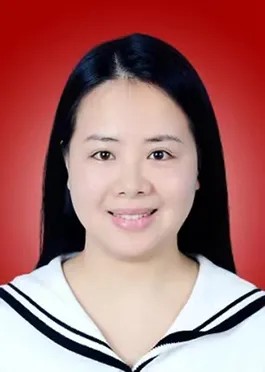
Wang Chunli , PhD in Engineering and Postdoctoral in Biology from Chongqing University. Currently, he is an associate professor and master's tutor at Hubei University of Traditional Chinese Medicine. He was selected into the Hubei Province High-Level Talent Project. Mainly engaged in research work on biomechanics and biomechanical pharmacology, he has achieved fruitful results in the pathogenesis and drug treatment of cardiovascular diseases and tumors. So far, as the first/corresponding author, he has published more than 50 SCI papers in European Heart Journal, Advanced Science, British Journal of Pharmacology and other magazines, including 3 ESI highly cited papers. ; Apply for 6 invention patents ; He has presided over 5 projects of various types such as the National Natural Science Foundation of China, and participated in more than 10 projects of various types such as the National Natural Science Foundation of China. Currently, he is a youth member of the Biomechanics Committee of the Chinese Society of Biomedical Engineering ; Member of the Hemorrheology Professional Committee of the Chinese Microcirculation Society.
speak seat slip between
The glycolysis pathway is a key pathway in regulating the osteogenic transformation of valve interstitial cells, and its abnormal activation is closely related to the occurrence and development of aortic valve calcification. This lecture will analyze the specific regulatory mechanism of lactation modification mediated by abnormal glycolysis in the osteogenic differentiation of valve interstitial cells.
Lecture topic three: Engineering Biomaterial Surfaces for Bone Regeneration and Antibacterial Applications
Introduction to the speaker
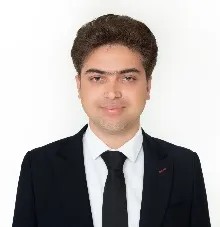
Ihsan Ullah , associate researcher in Jinfeng Laboratory, is mainly engaged in biomaterials and surface engineering for antibacterial and bone regeneration applications, including the design of multifunctional implant coatings, nanostructure-mediated antibacterial mechanisms, and size-dependent cell-bacterial interactions and ion-regulated osteogenesis. Published SCI papers as the first/corresponding author in journals such as Advanced Functional Materials, ACS Applied Materials & Interfaces, Acta Biomaterialia, Journal of Materials Science & Technology, etc.
speak seat slip between
Engineered surface morphologies are key modulators of antimicrobial activity, where size-dependent nanostructures selectively destroy bacteria while sparing mammalian cells. This lecture will analyze ZnO-based mechanisms, ion release and surface charge effects and highlight their synergistic effects in antimicrobial properties and osteogenesis in multifunctional implant design.
Everyone is welcome to actively participate


Number
023-68059937
Email:Jinfeng@jflab.ac.cn
Address:
No.313, Bella Road Chongqing High-tech Zone
Postal code: 401329

 渝公网安备50009802002274