
Lecture time
December 4, 2025 14:00-17:00
Lecture location
Conference Room 502, Building 5, Jinfeng Laboratory
Lecture Topic 1: New Diatom Materials: From Marine Microalgae to the Future Landscape of Cross-Field Functional Materials
Introduction to the speaker
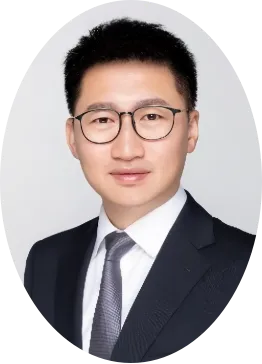
Zhang Yuxin , professor and doctoral supervisor at the School of Materials Science and Engineering of Chongqing University, elected as a Fellow of the Royal Society of Chemistry, Chongqing Academic Technology Leader, Shandong Taishan Industry Leading Talent (Blue Talent), Suzhou Industrial Park Science and Technology Leading Talent, and was selected as a Clarivate Analytics Global Highly Cited Scientist for three consecutive years from 2020 to 2022.; He serves as a member of the National Primary and Secondary School Science Education Expert Committee, Vice Principal of Science at Chongqing Nanyu Middle School, and Executive Deputy Editor of Nano Materials Science. He has long been engaged in basic research on the controllable preparation and application of new diatom-based bionic materials. He has published more than 300 papers in journals such as Nature Chemistry, Advanced Materials, and ACS Nano, and has been cited more than 28,000 times. H-index 94 ; Won 4 provincial and ministerial first prizes including Chongqing Natural Science Award, and wrote or participated in the writing of 7 Chinese and English monographs. ; 20 authorized invention patents ; Guiding student teams to win more than 30 national/provincial and ministerial level innovation and entrepreneurship competition awards, including the National Gold Award in the 8th China International "Internet +" College Student Innovation and Entrepreneurship Competition and the only Rural Revitalization Award.
Lecture Introduction
Research on new diatom materials is moving from traditional functional utilization to the construction of cross-scale, designable functional systems. This report first outlines the basic role of diatom shell micro-nano structures in interface regulation and complex field response, demonstrates its engineering paths that have been realized in typical material systems such as anti-corrosion, electromagnetic absorption, hydrophobicity and anti-fouling, fertilizer slow release, and environmental remediation, emphasizing its universal value as a natural micro-structural unit. We then discuss the potential breakthroughs of diatoms in higher-order scenarios, including microenvironmental regulation and mineral structure modification in simulated lunar soil, microstructural stability in materials under extreme conditions, and the construction of biological-mineral composite functional bodies in resource-constrained systems. Finally, this report will extend to the current cutting-edge exploration in the field of algae materials, such as the application prospects of diatoms in light-electricity-matter multi-field coupling, diatom-based bionic optics and optoelectronic devices, algae-based functional materials for carbon capture and carbon dioxide photoconversion, and cutting-edge ideas of diatoms improving lunar soil to build lunar bases. By connecting these multi-level applications, this lecture will demonstrate the upgrade path and potential strategic value of diatom materials from natural microalgae to future engineering systems.
Lecture Topic 2: Molecular mechanisms and applications of tomato quality and resistance formation mediated by plant hormones
Introduction to the speaker
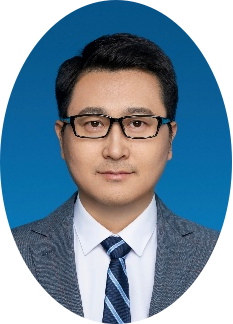
Deng Wei , professor, doctoral supervisor of Chongqing University, vice president of the School of Life Sciences, academic and technical leader of Chongqing, director of the Chinese Botanical Society, vice chairman of the Chongqing Botanical Society, and vice chairman of the Chongqing Genetics Society. He is a doctor jointly trained by Southwest University and Connecticut State University, a postdoctoral fellow at the University of Alberta in Canada, and a visiting scholar at the University of California, Davis. He presided over the National Natural Science Foundation of China, sub-projects of the National Key R&D Plan, and key projects of the Chongqing Science and Technology Fund. He published more than 90 papers in journals such as Plant Cell, Nature Communications, New Phytologist, Plant Biotechnology Journal, and Plant Physiology. He won the first prize of Chongqing Natural Science Award as the first completer. Serves as executive editor of Plant Hormones.
Lecture Introduction
Tomato is the most important fresh processed vegetable in the world and an important model plant for studying fruit traits. However, pre-harvest adversity and post-harvest quality deterioration have seriously restricted industrial development. The research team revealed the "auxin-mediated molecular regulatory network for tomato fruit quality and resistance formation", discovered the SlIAA15-SlARFs-SlMYBs transcriptional cascade molecular regulatory network based on auxin signaling, and discovered that ethylene, abscisic acid, jasmonate and auxin interact to regulate tomato quality and resistance formation processes through transcription and post-translational modifications. The research provides an important theoretical basis for improving the quality and resistance of horticultural crops.
Everyone is welcome to actively participate

Number
023-68059937
Email:Jinfeng@jflab.ac.cn
Address:
No.313, Bella Road Chongqing High-tech Zone
Postal code: 401329

 渝公网安备50009802002274