
Lecture time
December 5, 2025 9:00-11:30
Lecture location
Conference Room 311, Building 1, Jinfeng Laboratory
Lecture title: Neuro-oncology crosstalk
Introduction to the speaker
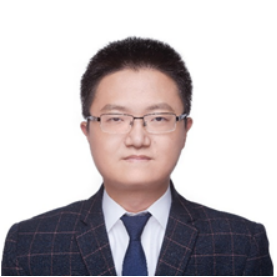
Wang Yuan , professor, researcher at the Biotherapy Research Center of West China Hospital of Sichuan University/PI of Tianfu Jincheng Laboratory, selected as a National Distinguished Young Scholar or Young Talent. Focusing on the early evolution and early intervention of malignant brain tumors, he created high spatial and temporal resolution tumor visualization models and computing tools, and paid attention to tumor neural interactions. He published papers in Cell, Nature Cancer, Cancer Cell, Cell Research, etc. as a communication/first author. He was invited to write reviews and commentaries for Nature Reviews Cancer, Cancer Discovery, etc., and won the American Children's Tumor Foundation Young Scientist Award. He is currently the vice chairman of the Neural Stem Cell Branch of the Chinese Society of Neuroscience, the chairman of the Tumor Cell Branch of the Sichuan Society of Cell Biology, and a youth editorial board member of National Science Review.
Lecture Introduction
Professor Wang's team focuses on the study of tumorigenesis mechanisms. By constructing innovative tumor models and combining single-cell and spatial multi-omics technologies, they can deeply reveal the evolution rules of solid tumors such as malignant brain tumors and lymphomas, and develop precancerous cell tracers and intervention strategies. This lecture focuses on tumor neural interactions, and systematically analyzes the interactions between neurons, microglia, astrocytes, and tumor cells as well as the interactions between key molecules by constructing various in vivo and in vitro models, elucidating the cellular and molecular mechanisms of tumor occurrence and development, and the fate regulation mechanism of neural stem cells, ultimately laying a solid scientific foundation for the development of early markers for precancerous cells and precise diagnosis and intervention strategies.
Everyone is welcome to actively participate


Number
023-68059937
Email:Jinfeng@jflab.ac.cn
Address:
No.313, Bella Road Chongqing High-tech Zone
Postal code: 401329

 渝公网安备50009802002274