
On November 30, 2025, the 6th China Stem Cell and Regenerative Medicine Collaborative Innovation Platform Conference was grandly held in Beijing. With the theme of "Standardization, Integration and Innovation", the conference aims to build a high-level exchange and cooperation platform, bring together all parties to discuss standardization construction, resource integration and collaborative innovation in the field of stem cells and regenerative medicine, and inject strong impetus into the high-quality development of the industry.
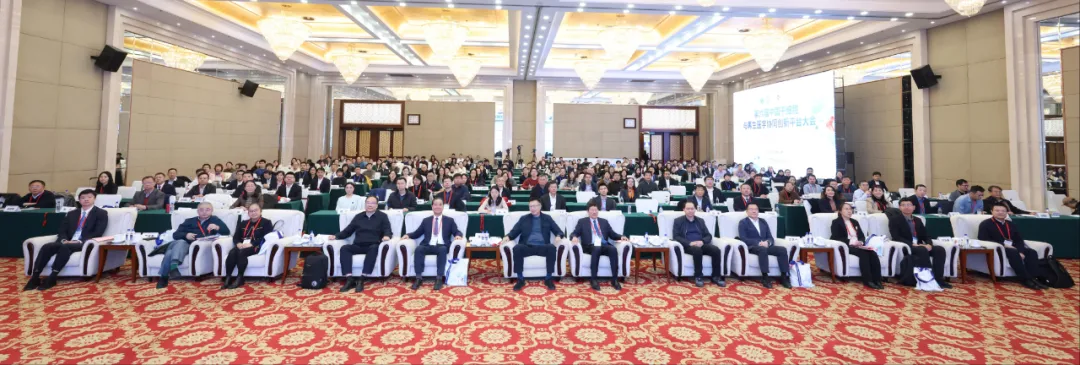
▲Group photo at the conference
This conference is hosted by the China Stem Cell and Regenerative Medicine Collaborative Innovation Platform (hereinafter referred to as the "Innovation Platform"), hosted by the Beijing Institute of Stem Cell and Regenerative Medicine, the Institute of Zoology, Chinese Academy of Sciences, and co-organized by 14 member units including the National Stem Cell Resource Bank. Leaders of relevant departments attended the opening ceremony and delivered speeches ; Bian Xiuwu, academician of the Chinese Academy of Sciences, delivered the annual work report on behalf of the platform ; Researcher Hu Baoyang, Secretary General of the platform, presided over the opening ceremony. Representatives from all walks of life from scientific research institutes, universities, hospitals, enterprises and regulatory agencies gathered together to conduct in-depth discussions around core issues such as stem cell regulatory systems, resources and quality standards, cutting-edge technology applications and clinical transformation.
The conference focused on demonstrating the platform’s key breakthroughs in resource layout, collaborative openness, sharing mechanisms, standard system construction, and international cooperation. The main highlights are as follows:
Accelerate the construction of a regional collaborative system for cell resources: The conference completed the awarding of six new member units and announced that the first branch of the National Stem Cell Resource Bank has landed in Chongqing, marking an important step in the national layout of cell resources of the National Stem Cell Resource Bank.
The first batch of open subject projects were announced: Announced the first batch of 37 open projects approved by the National Stem Cell Resource Bank to promote innovative development in the field through the flow of resources.
“Resource Sharing·Stars Project” launched: The platform launched a public welfare sharing plan for young scientific researchers and start-up teams, and released the "Eight Rules for Resource Sharing" (stem cells, organoids and other resources), aiming to build a long-term sustainable resource sharing ecosystem.
Enhance the voice of international standards: Chinese experts took the lead in establishing the Organoid Working Group of the International Organization for Standardization and released 2 international standards and 5 group standards at the same time, marking that my country's innovative practices in the direction of stem cells and regenerative medicine have made outstanding contributions to the international coordination of industrialization development in the global field.
Strengthen multi-in-one collaborative innovation: The platform's annual report points out the work direction of "dual engines of resources and data, standard leadership, and international collaboration" to promote collaborative linkage between policy, scientific research and industry, and promote the transformation of results into clinical and industrial applications.
Focus on cutting-edge and transformation difficulties: The platform's keynote report and two sub-forums conducted in-depth discussions around the subject frontiers and clinical translation bottlenecks, providing key references for the industry's standardized development and technology implementation.
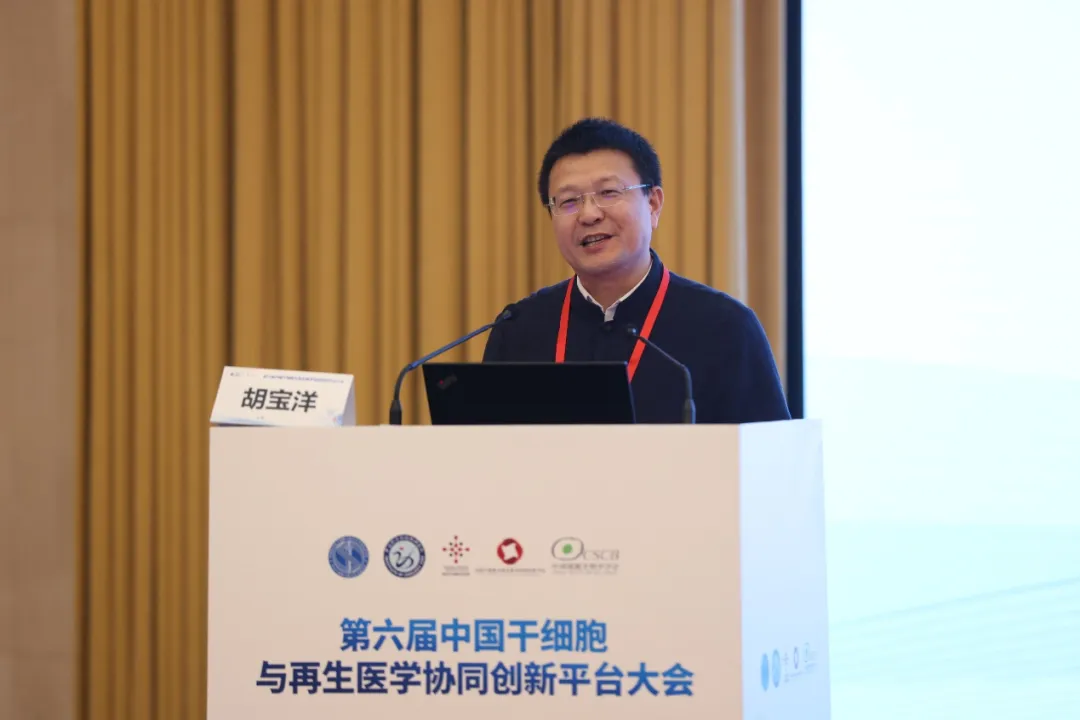
▲Researcher Hu Baoyang, Secretary General of the platform, presided over the meeting
In their speeches, the responsible comrades of the science and technology platform highly affirmed the remarkable achievements of the innovation platform in promoting technological innovation, resource sharing, opening up the "basic-clinical" chain, and promoting the integration of industry, academia, and research. He pointed out that as the resource library enters a critical stage of digital and intelligent transformation, the Technology Platform Center will accelerate the advancement of resource digitization and intelligent management. He encouraged the innovation platform to keep up with the changes in scientific research paradigms and continue to make efforts in digital intelligence upgrades of resource bases, algorithm research and development, and vertical model construction to help achieve the country’s scientific and technological innovation goals during the 15th Five-Year Plan.
Director Xue Qiang of the Bureau of Sustainable Development Research of the Chinese Academy of Sciences pointed out that stem cells and regenerative medicine are strategic forces that can seize the commanding heights of a new round of science and technology and support a technologically powerful and healthy China. He pointed out that the platform needs to solve three major challenges: improving resource quality, connecting the "last mile" of innovation, and building a collaborative innovation ecosystem. Future development should focus on creating the underlying technology system, building a digital twin/AI platform, and opening up an automatic and iterative clinical transformation ecosystem, aiming to lay a solid foundation for medical innovation and development with Chinese solutions.
Li Jia, a researcher at the International Organization for Standardization (ISO) Liaison Office of the Standards Innovation Management Department of the State Administration for Market Regulation, said that the Organoid Working Group of the ISO Biotechnology Committee led by Chinese scientists will systematically develop international standards related to organoid technology in response to major needs in the field. This marks international intellectual cooperation and collaboration, which will establish a broad international benchmark for the cutting-edge technology of organoids and promote the rapid industrial application of the technology.
Director Qiao Gexia of the Institute of Zoology, Chinese Academy of Sciences extended a warm welcome to the guests. She introduced that the Institute of Zoology has built a full-chain innovation platform system for scientific research and popularization, and pointed out that the platform has now developed into a cross-regional innovation network covering 20 member units. The conference focused on displaying the latest achievements in the field of stem cells and regenerative medicine. The achievements in standard construction show that my country's technical solutions in this field have been integrated into the global system and have become the backbone of the construction of international standard technology systems.
Awarding ceremony for new members of the platform and sub-library
At the platform's new member and sub-library awarding ceremony, Bian Xiuwu, an academician of the Chinese Academy of Sciences, awarded six new platform members. The addition of new members will further enrich the platform's resource types and technical capabilities, and expand shared application scenarios.; The first branch of the National Stem Cell Resource Bank has officially landed in Chongqing, marking an important step in the national layout of cell resources of the National Stem Cell Resource Bank.
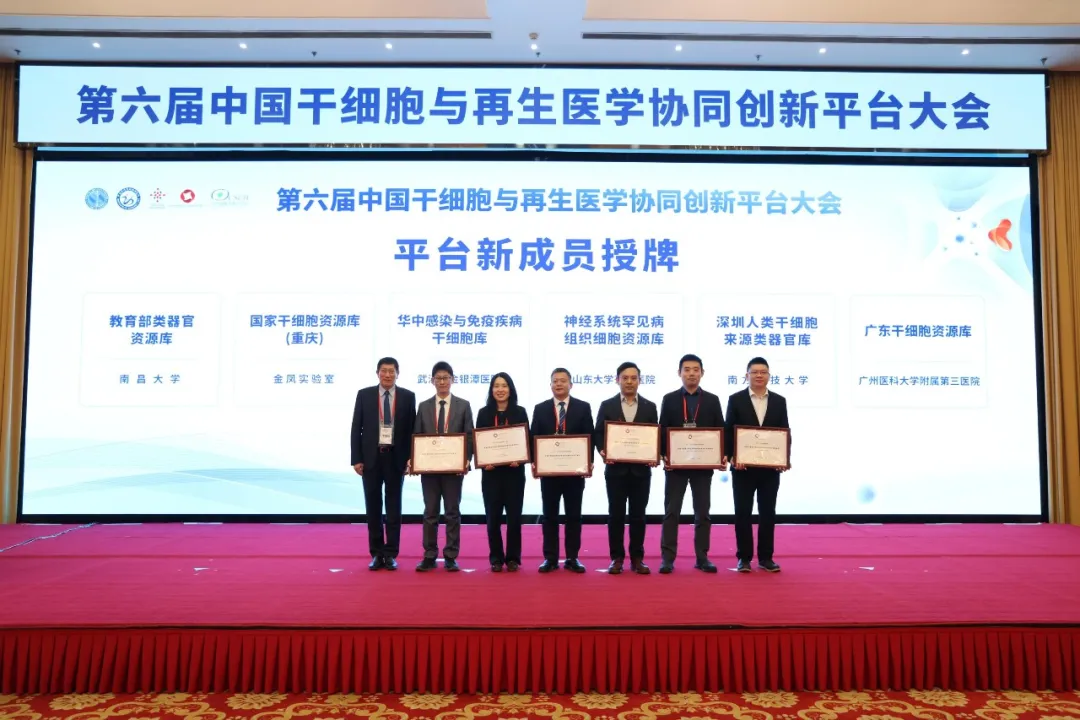
▲Academician Bian Xiuwu awarded licenses to new members of the platform
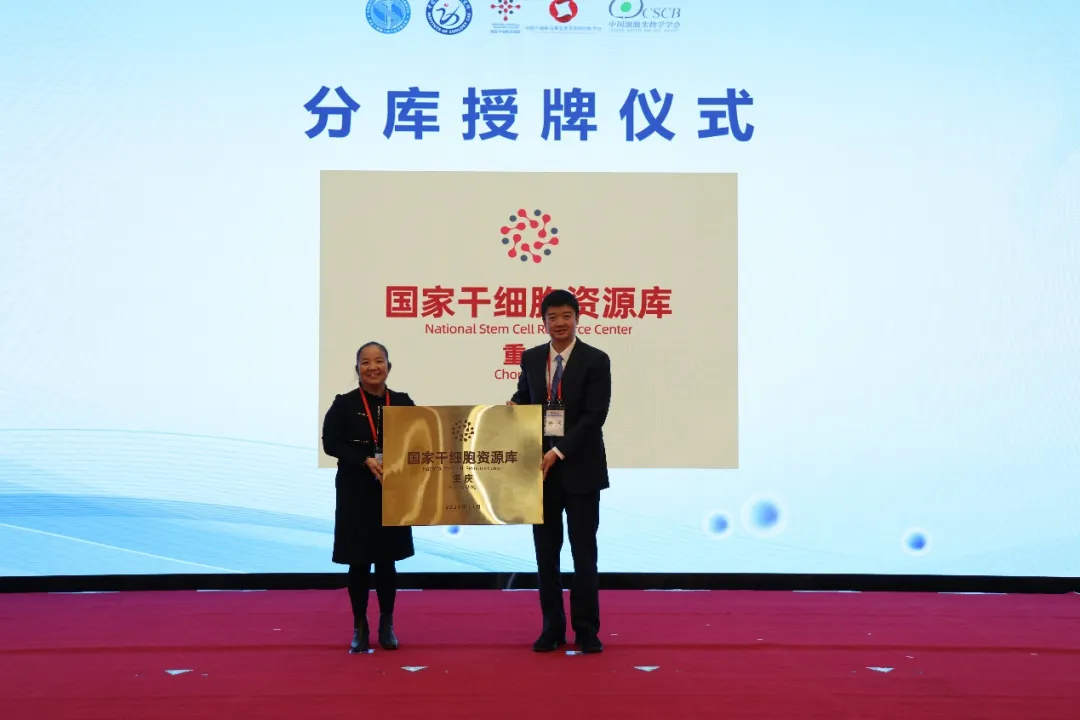
▲Director Qiao Gexia awarded the license to the National Stem Cell Resource Bank (Chongqing) Branch
Open subject project announcement
At the conference, the results of the first batch of open projects of the National Stem Cell Resource Bank were announced. After multiple rounds of review of applied projects, a total of 37 outstanding projects from universities, research institutes, clinical institutions and corporate teams were finally approved. The National Stem Cell Resource Bank Open Project aims to gather high-quality resources and promote innovation through openness, allowing resources to flow and promoting innovation to occur!
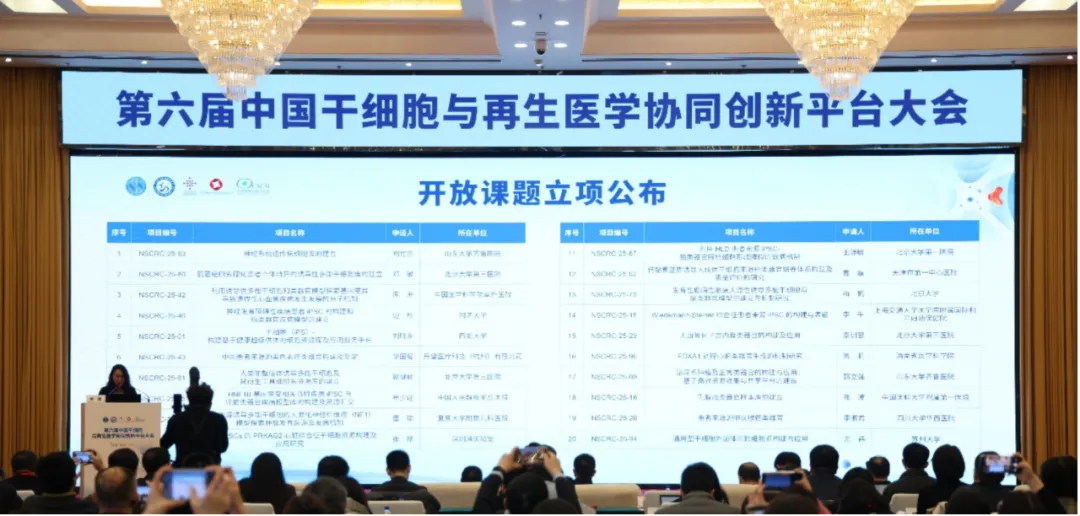
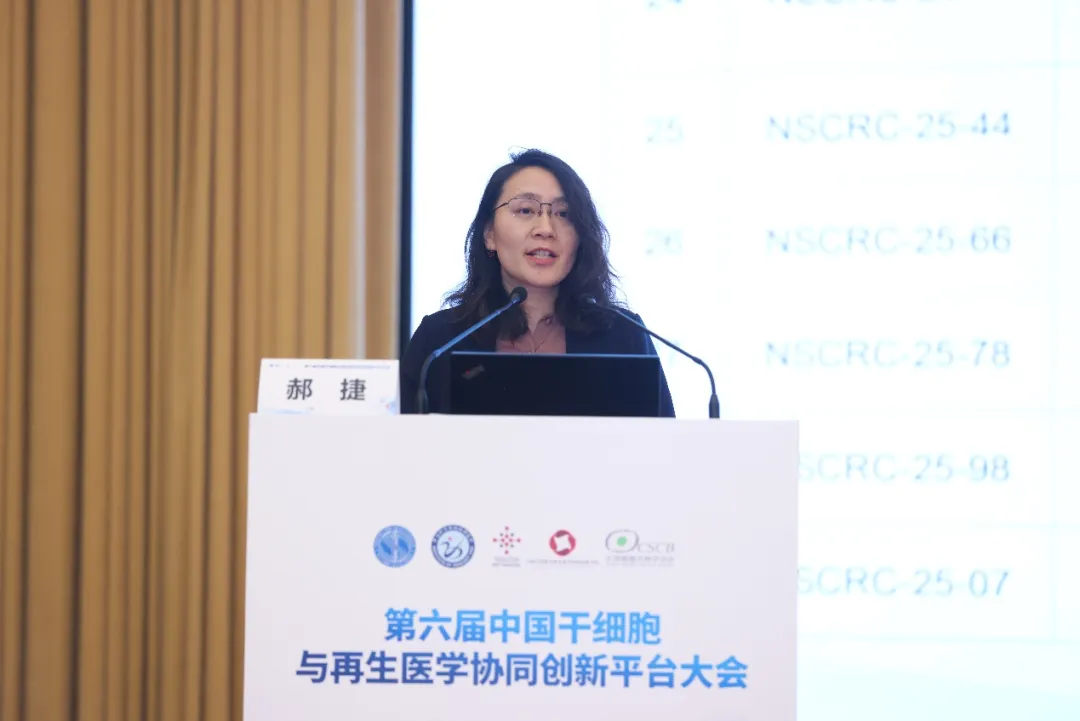
▲Director Hao Jie of the National Stem Cell Resource Bank announced the results of the open project
Resource Sharing·Stars Project Release
The conference grandly launched the "Resource Sharing·Stars Plan", in which 20 member units of the platform will jointly provide cell and organoid resources for young scientific researchers and start-up teams for public welfare. At the same time, the platform released the "Joint Initiative on Promoting Efficient Sharing of Resources" and "Eight Articles on Resource Sharing" (stem cells, organoids and other resources), advocating high-level collaborative sharing and creating an open and collaborative scientific research ecosystem.
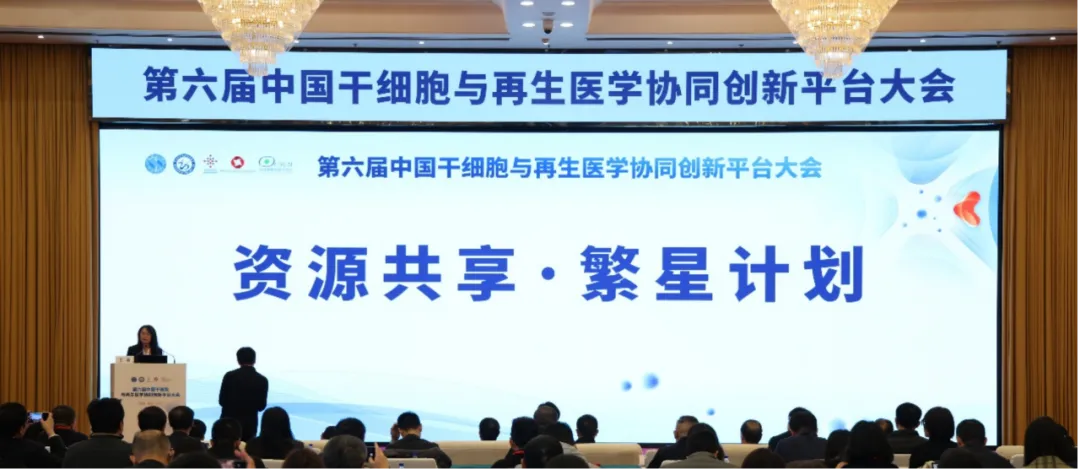
▲Resource Sharing·Stars Project Release
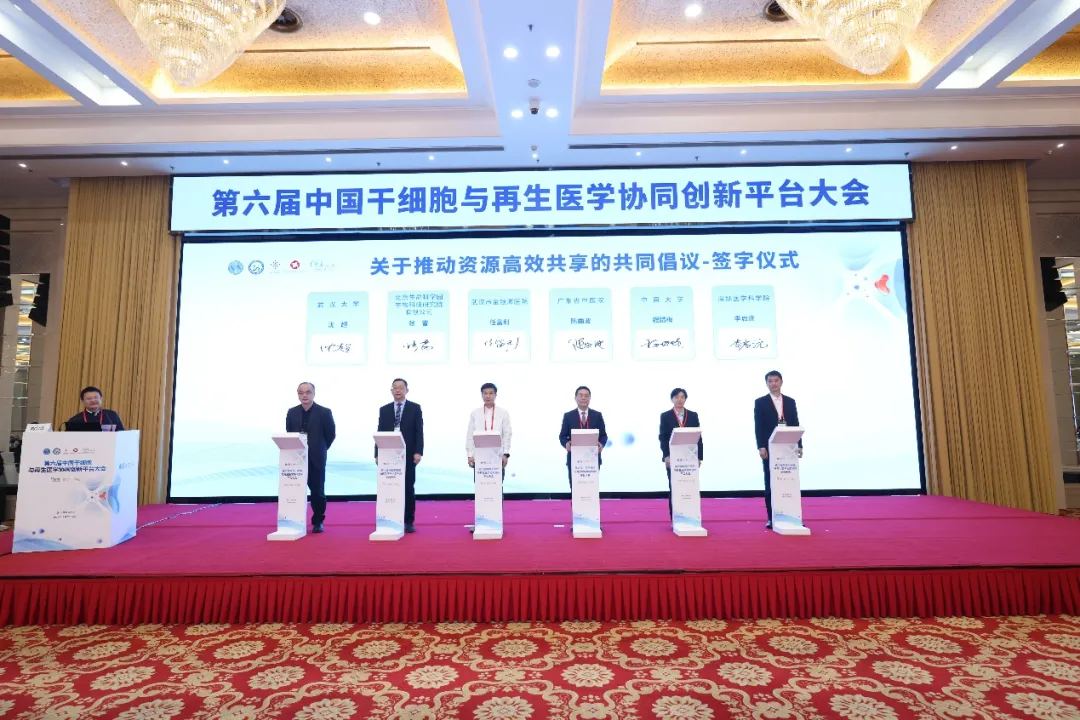
▲Signing ceremony of "Joint Initiative on Promoting Efficient Sharing of Resources"
Standard press conference
It was announced at the conference that Chinese experts took the lead in establishing the Organoid Working Group of the International Organization for Standardization's Biotechnology Committee (ISO/TC 276/WG7) and officially assumed the responsibilities of the secretariat and convener. The conference simultaneously held a release ceremony for 2 new international standards and 5 group standards. The two international standards ISO 18162:2024 and ISO/TR4752:2025 were formulated by Chinese experts with participation from many countries, marking that China’s technical solutions have become an internationally recognized quality benchmark. ; The five group standards cover organoid construction, terminology and more.
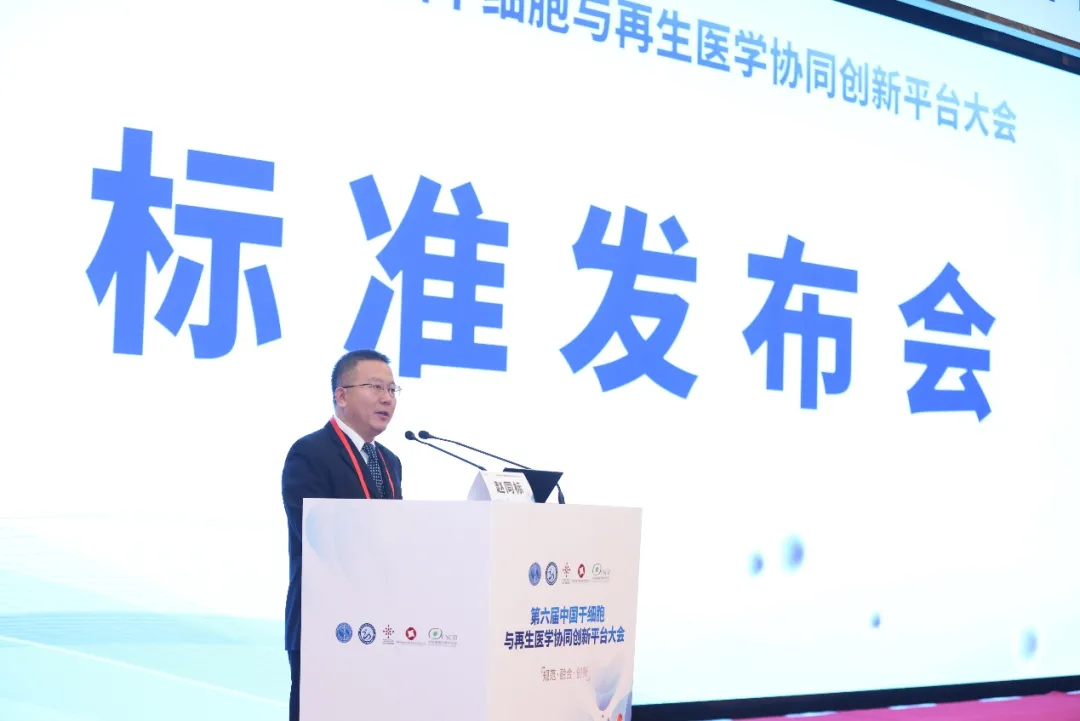
▲Researcher Zhao Tongbiao, Vice President of Beijing Institute of Stem Cell and Regenerative Medicine, presided over the standard press conference
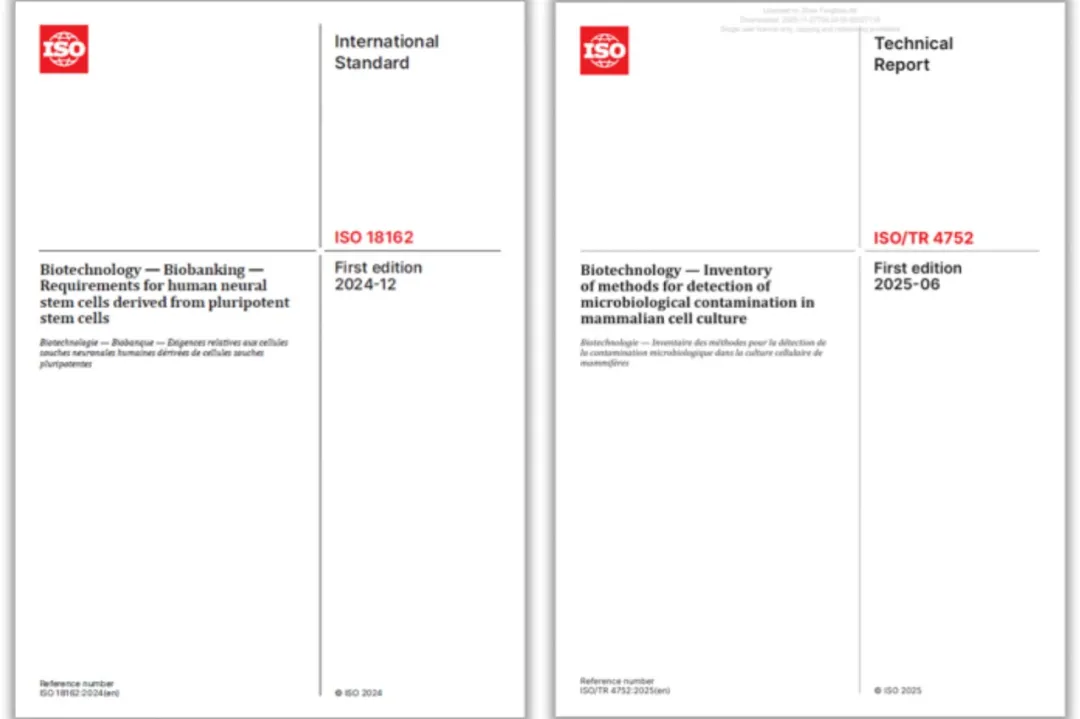
▲Two international standards ISO 18162:2024 and ISO/TR4752:2025
During the guest interview session, Secretary-General Yun Zhenyu of the National Biological Process Standardization Working Group pointed out that the establishment of the Organoid Working Group will promote the field to achieve three major changes: collaborative innovation, global consensus, and clinical transformation.; Luo Zhenge, Vice Chairman of the Chinese Society of Cell Biology, emphasized that standards can reduce repeated exploration and focus on core scientific research directions. ; Liu Huanchen, associate researcher of the State Administration for Market Regulation, said that standards are the key link between policy and industry and can promote industrial development and government regulatory coordination. ; Director Liu Jie of the China National Accreditation Service for Conformity Assessment mentioned that standards are the cornerstone of accreditation and will play a role as a booster of industrial standards. ; Director Chen Hong of Tongji Hospital Affiliated to Tongji Medical College of Huazhong University of Science and Technology suggested that a clinical relevance verification system needs to be established so that standards can benefit patients. ; Academician Cheng Tao of the Chinese Academy of Medical Sciences called for more of my country's advanced technologies to be integrated into the construction of international standards and to strengthen the coordination of "government, industry, academia, research and application".
Experts agree that the establishment of the Organoid Working Group WG7 is a milestone, and the introduction of standards will build a bridge between scientific research and clinical transformation, and improve the quality and efficiency of the industry. The results of this conference are not only a demonstration of my country's in-depth participation in international standardization cooperation in this field, but also a concrete practice of implementing high-level scientific and technological self-reliance. In the future, we will continue to build an international standardization platform, gather the wisdom of international experts, provide a unified yardstick for scientific research and industrial development, accelerate safe and effective new treatments and tools to benefit patients around the world, and contribute to building a human health community.
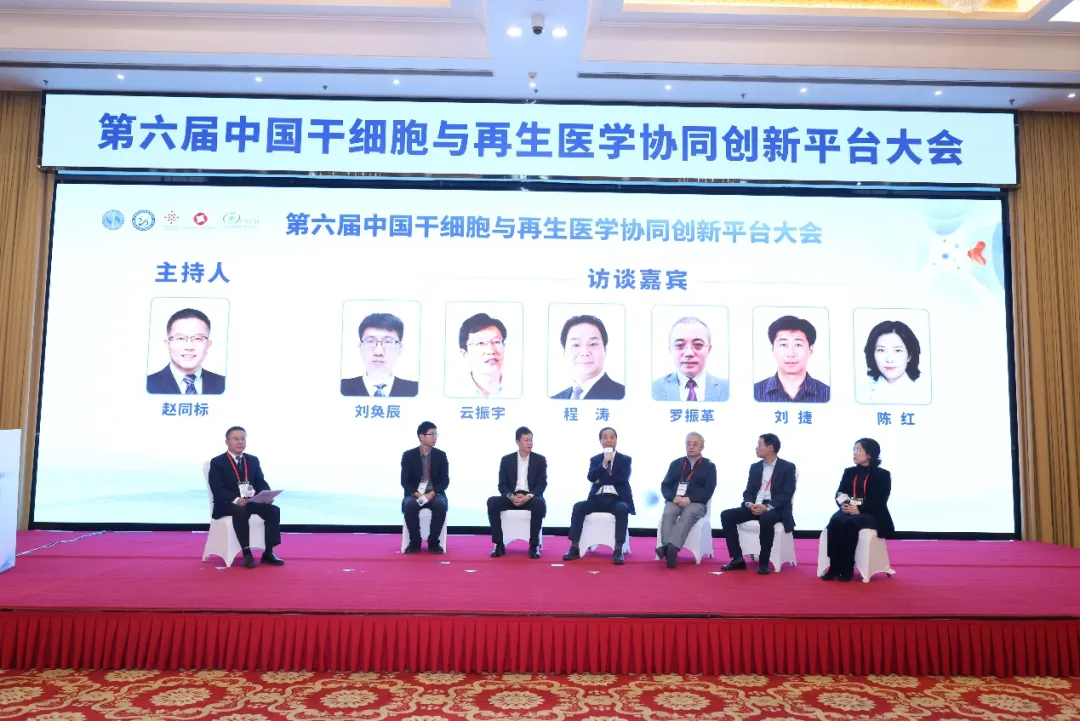
▲Standard press conference guest interviews
China Stem Cell and Regenerative Medicine Collaborative Innovation Platform
annual work report
Academician Bian Xiuwu delivered an annual work report on behalf of the platform, emphasizing that the "dual engines" of resources and data, standards leadership and international collaboration are the keys to enhancing original innovation and accelerating transformation.
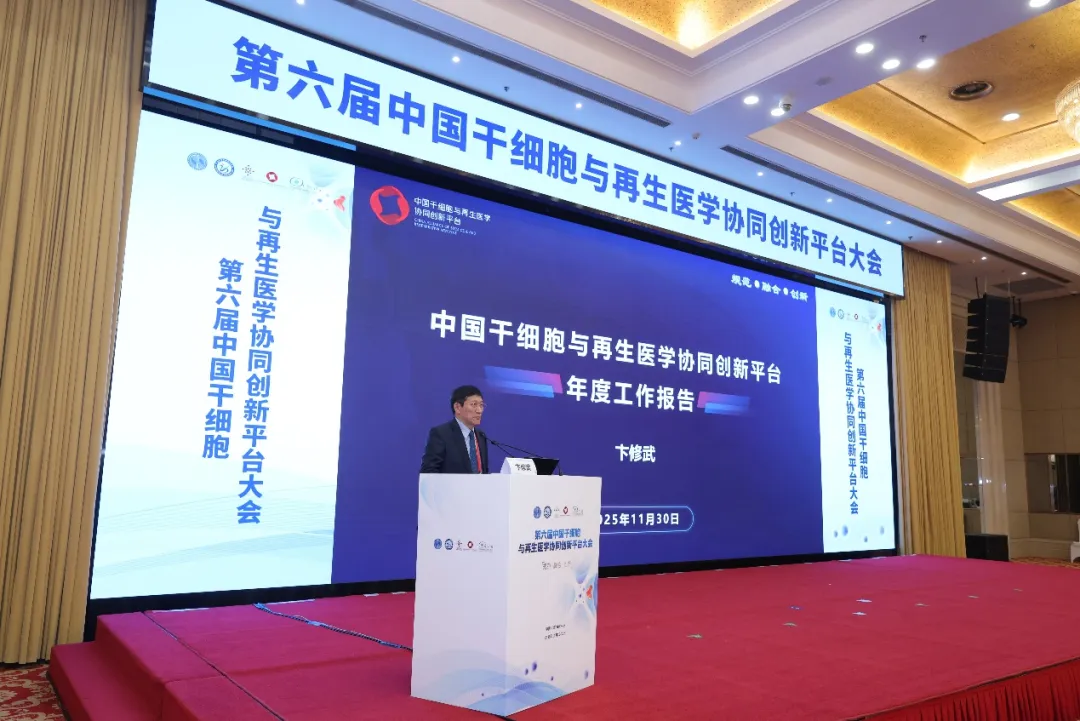
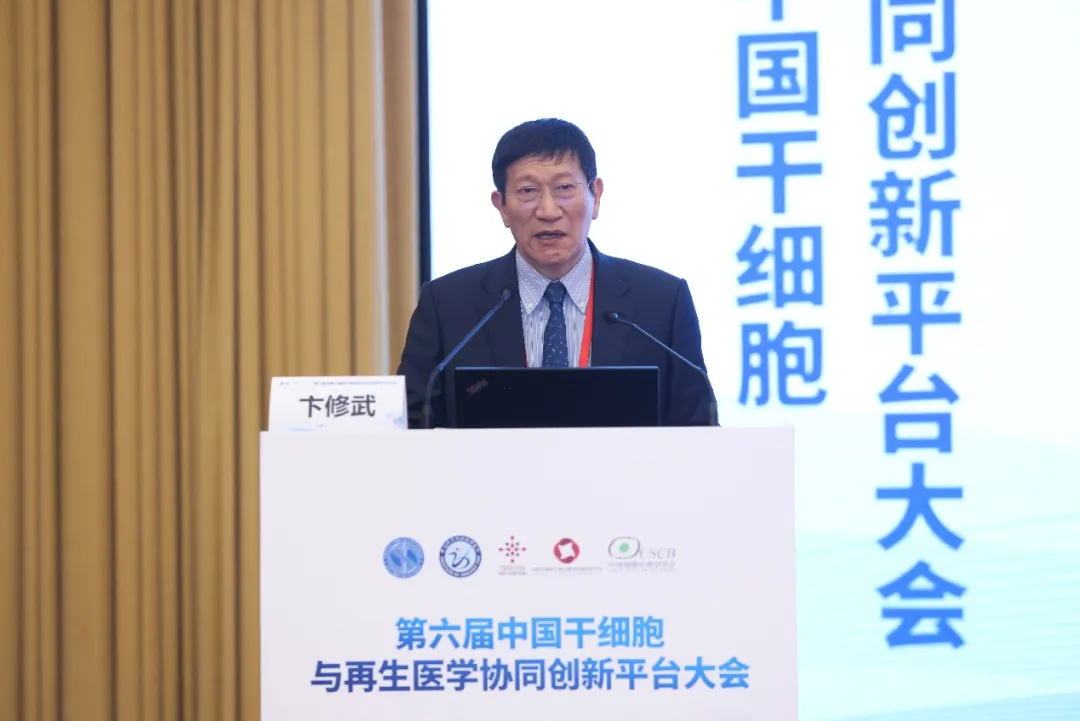
▲Academician Bian Xiuwu delivered the annual work report of the platform
Keynote report of the platform conference
The keynote report of the conference was delivered by experts from clinical transformation, scientific research and industry, focusing on resources, technology and transformation, gathering consensus among academia, industry and supervision, and promoting the continuous improvement of resource sharing, standard systems and collaborative networks.
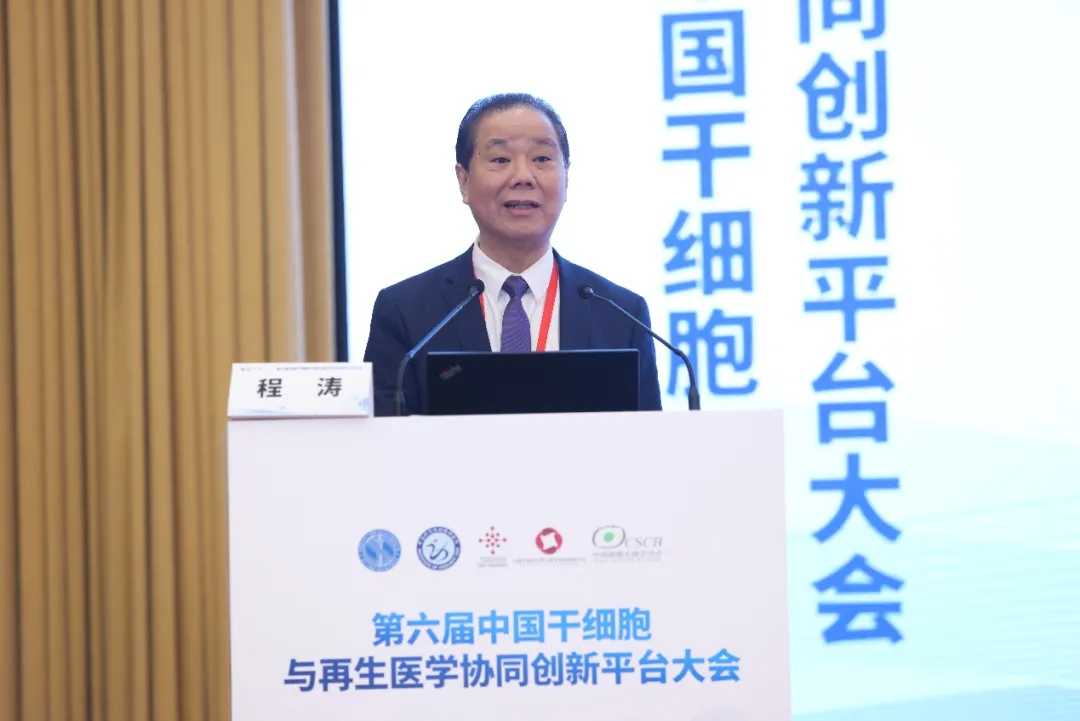
▲Cheng Tao, academician of the Chinese Academy of Engineering, gave a speech titled
Keynote report on "Hematopoietic Regeneration and Cell Therapy"
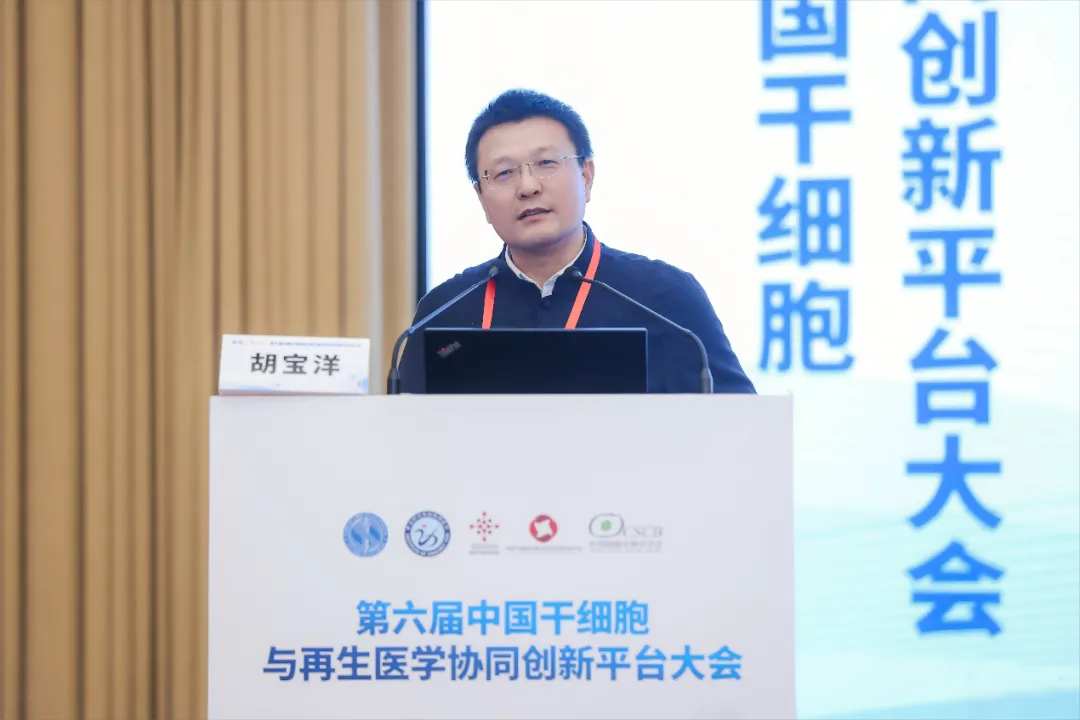
▲Hu Baoyang, Executive Director of Beijing Institute of Stem Cell and Regenerative Medicine, gave a speech titled
Keynote report on "Research Progress of Pluripotent Stem Cell Products"
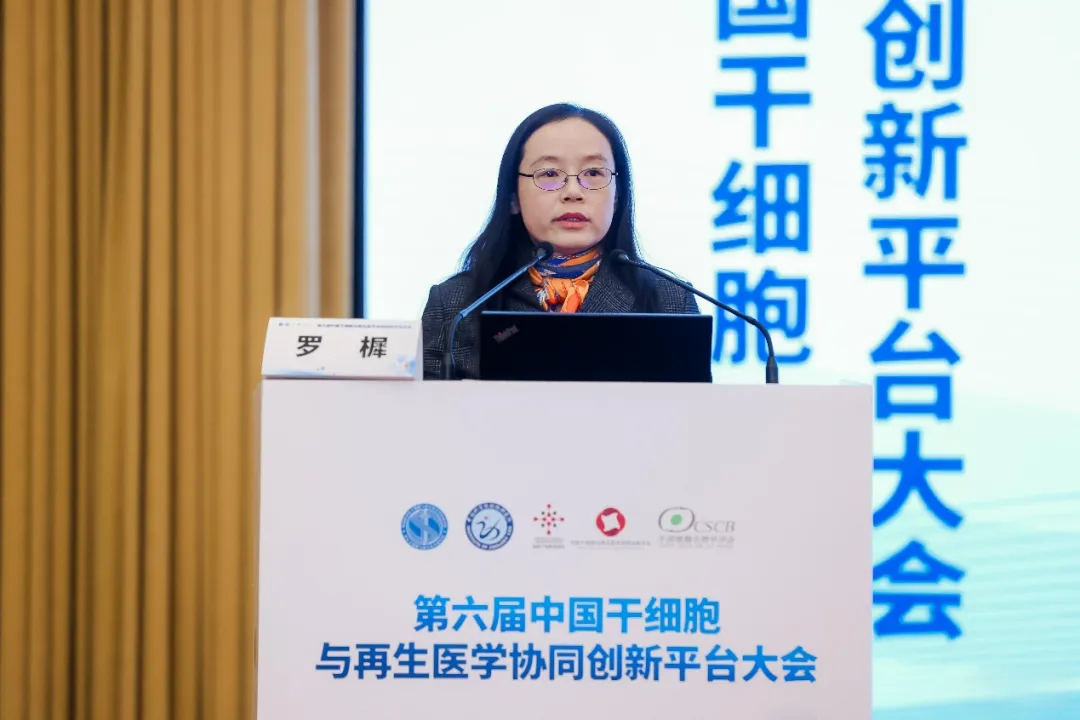
▲Luo Qi, director of Beijing Zhaoyan New Drug Research Center Co., Ltd., gave a speech titled
Keynote report on "Applications and Challenges of Organoids from an Industrial Perspective"
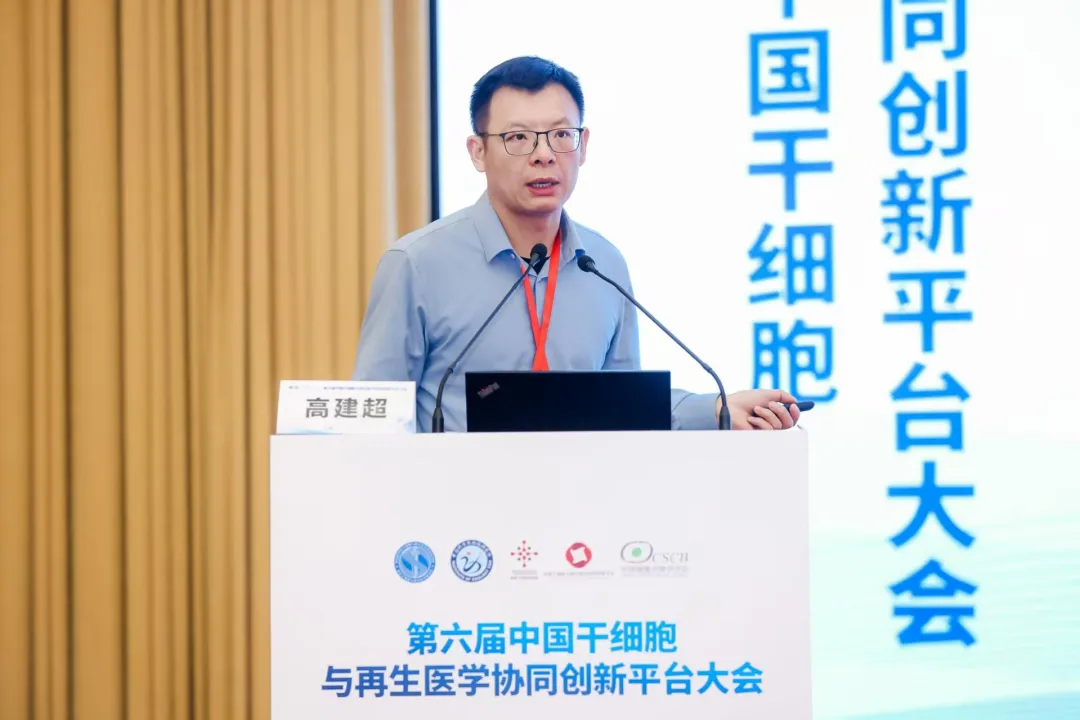
▲Gao Jianchao, associate researcher at Changping Laboratory, gave a paper titled
Keynote report on "Clinical Research Progress and Translational Application of Stem Cell Drugs"
Focus on cutting-edge trends and key bottlenecks,
Two sub-forums discussed in depth the future direction of the field
The two theme sub-forums held at the same time of this conference were brilliant, with in-depth exchanges and results sharing around cutting-edge issues in the development of stem cells and regenerative medicine, providing important support for promoting standardization and innovative development in the field.
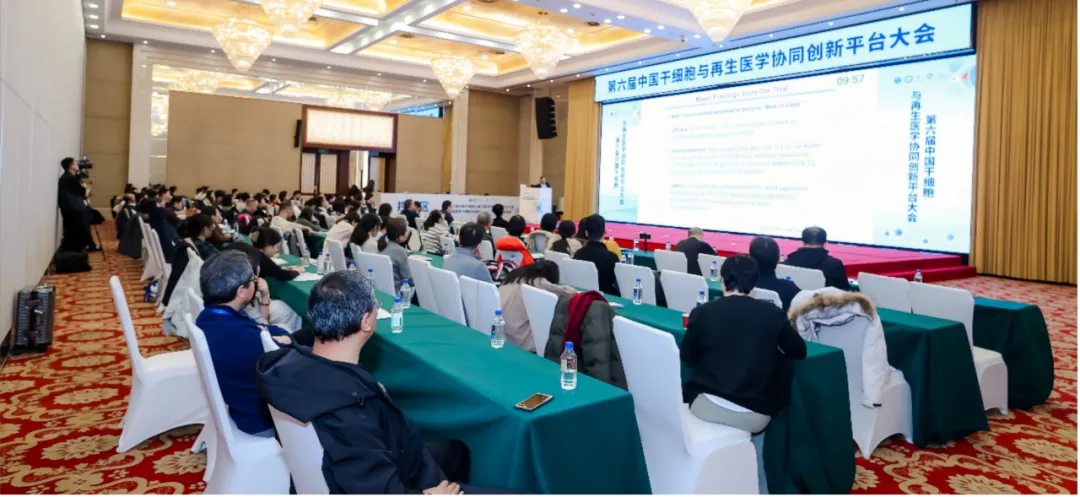
▲Stem Cell Regulation and Industrial Transformation Forum
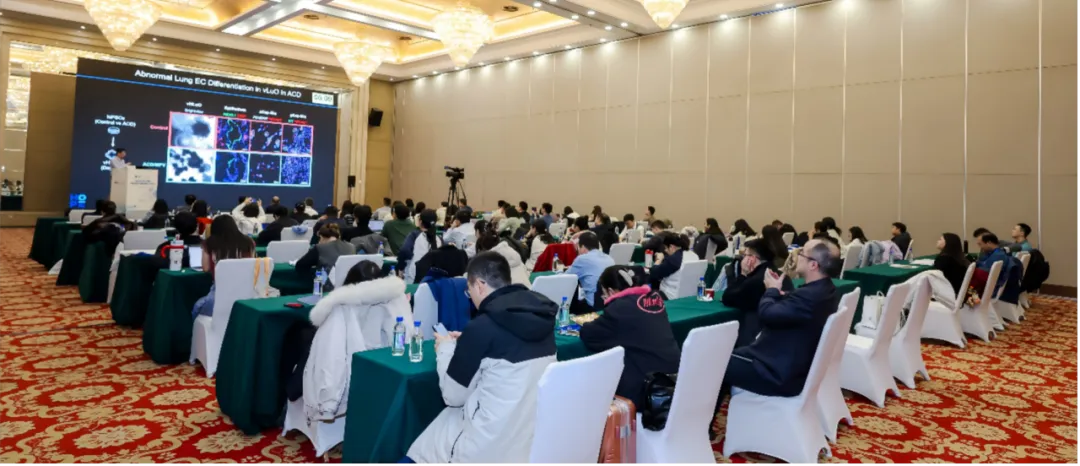
▲Frontier Cross Technology Forum
The successful holding of this conference has further gathered consensus among academics, industry and regulators, promoted the continuous improvement of resource sharing mechanisms, standards systems and collaborative innovation networks, and provided important support and new impetus for the standardized development and industrialization of stem cells and regenerative medicine in my country. The series of results and initiatives of the conference will lay a solid foundation for the next stage of scientific research cooperation, standards docking and international exchanges.

Number
023-68059937
Email:Jinfeng@jflab.ac.cn
Address:
No.313, Bella Road Chongqing High-tech Zone
Postal code: 401329
 渝公网安备50009802002274