
Lecture time
October 30, 2025 10:00-11:00
Lecture location
Conference Room 302, Building 1, Jinfeng Laboratory
Lecture title: Medical ethics and management of human genetic resources
Introduction to the speaker
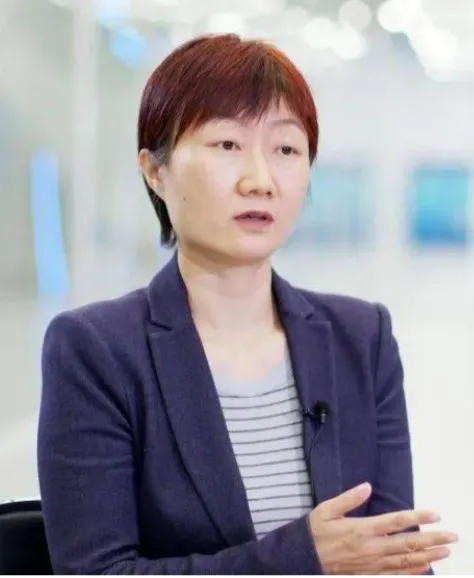
Li Yan is currently the PI of the Chongqing-Guangdong Pathological Research Center, a professor at the Institute of Biophysics, Chinese Academy of Sciences, and the director of the Western Institute of Health and Medical Big Data.; Research directions include glycomics and glycoproteomics analysis, high-throughput technology for biological samples, and research and development of clinical mass spectrometry testing technology ; Responsible for the construction of the "Human Resource Sample Bank" of the Chinese Academy of Sciences and the work related to the population queue, and was awarded the "Outstanding Introduction of Technical Talents" by the Chinese Academy of Sciences.” ; He has led or participated in projects such as the National Natural Science Foundation of China, the 973/863 Program, and the Chinese Academy of Sciences Pilot Project. He has more than 10 patents and has published many papers in authoritative journals such as Carbohydrate Polymers, Analytical Chemistry, and Clinical Proteomics.
Lecture Introduction
Human genetic resources (including genes, tissues, body fluid samples and associated data) have become core strategic resources for deciphering disease mechanisms and developing innovative treatments. The balance between their development and utilization and safety control is inseparable from the value guidance of medical ethics and the rigid guarantee of management systems. This report focuses on the synergistic logic and practical path between the two, and systematically sorts out the core principles of medical ethics in the field of human genetic resources, including the standard implementation of informed consent of subjects, the full chain protection of genetic privacy and data security, and the fairness and beneficial boundaries of resource utilization. ; It also analyzes the key dimensions of human genetic resources management, covering compliance processes for resource collection and preservation, and ethical review mechanisms for data sharing and application. The report will combine typical cases (such as cohort research ethics review practices, genetic resource loss risk prevention and control), and explore the difficulties in integrating the two under the current technological development background (such as ethical collaboration in multi-center research, privacy protection innovation in the era of big data). It will provide scientific researchers, medical institution managers and policymakers with both theoretical depth and practical guidance. It will help build a human genetic resource utilization system that "ethics first, standard protection, and innovation is orderly", and promote biomedical research to achieve high-quality development on the premise of protecting individual rights and public interests.
Everyone is welcome to actively participate


Number
023-68059937
Email:Jinfeng@jflab.ac.cn
Address:
No.313, Bella Road Chongqing High-tech Zone
Postal code: 401329

 渝公网安备50009802002274