
Lecture time
October 27, 2025 14:00-16:00
Lecture location
Conference Room 311, Building 1, Jinfeng Laboratory
Introduction to the speaker
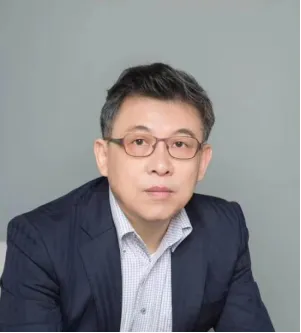
Yang Ling , professor, doctoral supervisor, chief scientist of the Key Laboratory of Pharmacology of the Ministry of Education at Zunyi Medical University, and director of the System Pharmacokinetics Center of Shanghai University of Traditional Chinese Medicine. In 1991, he received a Japanese National Scholarship to study in Japan, where he studied under Professor Kyouichi Kohashi, an expert on the metabolism of intestinal bacteria in traditional Chinese medicine. He obtained a doctorate in pharmacy from National Toyama University of Medical Sciences and was selected into the Hundred Talents Program of the Chinese Academy of Sciences after returning home. Hosted more than 10 national-level scientific research tasks such as the 973 preliminary project, the National Major New Drug Creation Project, and the National Key R&D Plan, and pioneered the early ADME/Tox property research in the field of drug metabolism in China. ; Proposed the theory of “system pharmacokinetics” ; Upgrading Early ADME Properties Technology Platform through Development of Optical Probes for Drug Metabolizing Enzymes ; Establish a new set of effective monitoring methods for clinical precision medication. Published more than 400 academic papers, 71.5% of which are in SCI-included journals (Coordin Chem Rev, J Am Chem Soc, Acta Pharm Sin B, Engineering, Biosens Bioelectron, J Pharm Anal, Nucleic Acids Res, ACS Nano, Redox Biology, Drug Metab Dispos, etc.), 24.3% of which are top journals in this field, and 20 papers have an impact factor of 10 or above. ; Cited more than 16,000 times, H-index: 60. Won several awards including Shanghai Science and Technology Progress Award, International Contribution Award for Traditional Chinese Medicine, etc. ELSEVIER Highly Cited Researchers in the Field of Toxicology and Pharmacology 2020-2025 ; Selected as one of Stanford University’s “World Top 2% Scientists” for six consecutive years (2019-2025)” ; Named one of the top 100 pharmaceutical scholars in China since 2021 ; Since 2022, he has been rated as one of the top 100 medical scholars in China. 90 patents have been authorized, of which nearly 26.3% have been transformed. Currently, he is the deputy chairman of the Drug Metabolism Committee of the Chinese Pharmacological Society and the chairman of the Drug Metabolism Committee of the Shanghai Pharmacological Society. ; Member of the Pharmacology and Toxicology Advisory Committee of the National Medical Products Administration (NMPA). It has trained dozens of high-level talents (professors, researchers, senior engineers), and many of its disciples have received funding from the National Natural Science Foundation of China’s Outstanding Young Talents Project or served as youth chairpersons of professional societies, playing a leading role in the discipline of pharmacology.
Lecture summary
In the development of new drugs, dose conversion from in vitro and animal derivation to equivalent human doses is one of the key scientific challenges. This report will focus on the key factors that affect conversion, conduct an in-depth analysis of the scientific nature in the context of statistical related factors, and focus on the core role of target selectivity, blood flow, metabolic enzymes and other factors, as well as related new models. ; Point out that traditional conversion models (such as the body surface area method) ignore species differences in blood flow, metabolic enzyme types and distribution, etc., which brings systemic limitations to the new drug research and development system. ; The comprehensive impact of relevant models on effectiveness, safety and ADME attributes was elaborated, emphasizing that toxicity determines the safety boundary, and proposing that drug research and development faces problems such as "in vitro-animal-human disconnection". Combined with the main work of the team, it focuses on the development of metabolic reaction phenotypes, specific metabolic enzyme probes and recombinant single enzyme products, and promotes research on species difference mechanisms and precise drug delivery. Finally, we look forward to the development trend of DMPK, including the application of multi-factor calibration models, microfluidic technology and AI in early ADME/T evaluation, providing cross-species translation solutions for drug development.
Everyone is welcome to actively participate


Number
023-68059937
Email:Jinfeng@jflab.ac.cn
Address:
No.313, Bella Road Chongqing High-tech Zone
Postal code: 401329

 渝公网安备50009802002274