
Lecture time
October 23, 2025 15:30-17:30
Lecture location
Conference Room 502, Building 5, Jinfeng Laboratory
Lecture Topic 1: Multi-element Superstructure Assembly & Development of Functional Hydrogels and Biomedical Applications
Introduction to the speaker
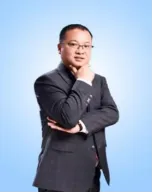
Mao Xiang , Ph.D., Director/Associate Professor of the Engineering Teaching and Research Office, School of Biomedical Engineering, Chongqing Medical University, “Vice President of Scientific Research” of Chongqing Municipal Economic and Information Technology Commission, University & Enterprise, Member of the Graduate Education Supervision Group of Chongqing Medical University, and Degree Evaluation Expert of the Ministry of Education. He teaches courses such as "Medical Sensors" and "Biomaterials". Mainly engaged in the design and clinical medical application research of flexible biomaterials, hosted & participated in 6 national, provincial and ministerial level scientific research projects, and obtained 10 international patents and 15 domestic patents. Research areas mainly focus on: 1) Assembling functional nanostructures and their biomedical applications - combining chemical synthesis and molecular biology to research and develop ultra-nanostructures with new functional properties for potential clinical applications such as biomolecule detection, drug release, photothermal (kinetic) therapy, etc. ; 2) Design of metallo-like enzymes and applied research on enzymatic reactions - Based on the price-changing characteristics of multivalent metals, the solvent effect in chemical synthesis is used to prepare super-hydrophilic & ultra-small alloy nanoparticles to construct a simple, sensitive, and selective biosensor ; 3) Structural modification and simulation calculation of scaffold functional materials - combined with hydrogel scaffolds to form in-situ control to construct mesh scaffold materials with diverse structures, high biocompatibility, and high clinical applicability, analyze and establish quantum theoretical models, analyze the intrinsic mechanism of changing structure and performance, and realize normalized research on structure-performance-application-model calculation. He is currently a young editorial board member of European Cells & Materials and a guest editor of the International Journal of Molecular Science. He has published in high-level international journals such as JACS, ACS Nano, Bioactive Materials, Biomaterials, Advanced Healthcare Materials, Small, Nanoscale, Biomaterials Science, International Journal of Molecular Science, etc. He has published more than 70 high-level SCI academic papers.
Lecture Introduction
With the rapid development of nanotechnology, the biomedical field is paying more and more attention to how to use nanomaterials and nanotechnology to solve problems in clinical diagnosis and treatment. Based on the research progress of the research group in recent years, this report systematically introduces the core and related strategies of superstructure assembly strategies, how to construct nanostructures with specific functions on demand, how to accurately and controllably assemble these "building blocks" into macroscale functional structures, develop new assembly strategies, and break through the preparation bottleneck of "nano primitives-macromaterials". Similarly, hydrogels have become a research hotspot in the field of wound repair due to their excellent biocompatibility, controllable drug release capabilities and biomimetic extracellular matrix properties. They are a key frontier for realizing the practical application of nanotechnology. However, there is insufficient regulation of drug release kinetics, a single antibacterial mechanism can easily induce the evolution of drug resistance, and there is a lack of key technologies to actively intervene in the wound repair microenvironment. Combining the common advantages of inorganic nanomaterials and hydrogel materials to form composite functional hydrogel materials can achieve certain clinical purposes, promote the effective combination of micro (nanotechnology) and macro (tissue engineering), and promote new technology innovation.
Lecture Topic 2: Research on the Mechanism of Self-Assembled Polypeptide Fibrosis and Its Application in Neovascular-related Diseases
Introduction to the speaker
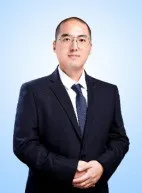
expand , Ph.D., Distinguished Associate Professor and Master Supervisor at the School of Biomedical Engineering, Chongqing Medical University. Mainly engaged in the assembly and fibrosis of polypeptides, and the application research of assembled polypeptides for disease diagnosis and treatment. He has hosted 1 National Natural Science Foundation of China project and published 10 academic papers as an author or co-author in journals such as Science Advances, ACS Nano, Biomaterials, Small, etc.
Lecture Introduction
Natural extracellular matrix proteins fibrate in response to stimuli and achieve functions such as supporting and fixing cells. Inspired by the fibrosis of natural proteins, we designed multiple peptide sequences, studied their receptor-mediated fibrosis mechanisms, and explored the application of peptides in anti-corneal neovascularization and tumor embolization therapy.
Everyone is welcome to actively participate


Number
023-68059937
Email:Jinfeng@jflab.ac.cn
Address:
No.313, Bella Road Chongqing High-tech Zone
Postal code: 401329

 渝公网安备50009802002274