
From October 9th to 11th, the "Science and China - Thousands of Academicians·Thousands of Science Popularization" Chongqing trip was successfully held. Ji Weizhi, Li Jinsong, Gu Ning, Shi Yufang, Yang Yongguang, Zeng Fanyi, Li Wei, Wang Jichang, Hao Jie and other academicians and experts visited institutions, universities, primary and secondary schools, etc. to carry out special science popularization activities, with an offline audience of more than 6,000 people. The event established a platform for scientists to communicate with the public, created a social atmosphere of loving science and advocating innovation, and achieved good social response.
Chongqing University of Science and Technology
Academician Ji Weizhi
Uncovering the secrets of "non-human primates and human health"”
On the afternoon of October 9, the first science popularization event was held at Chongqing University of Science and Technology. Professor Ji Weizhi, academician of the Chinese Academy of Sciences and Kunming University of Science and Technology, gave a unique popular science lecture titled "Non-human Primates and Human Health" to more than 400 teacher and student representatives. Academician Ji Weizhi combined his 43 years of profound accumulation in the field of non-human primate research, using popular language and cases that have attracted social attention, to explain the key role of non-human primates in the exploration of aging mechanisms and medical research in simple terms.
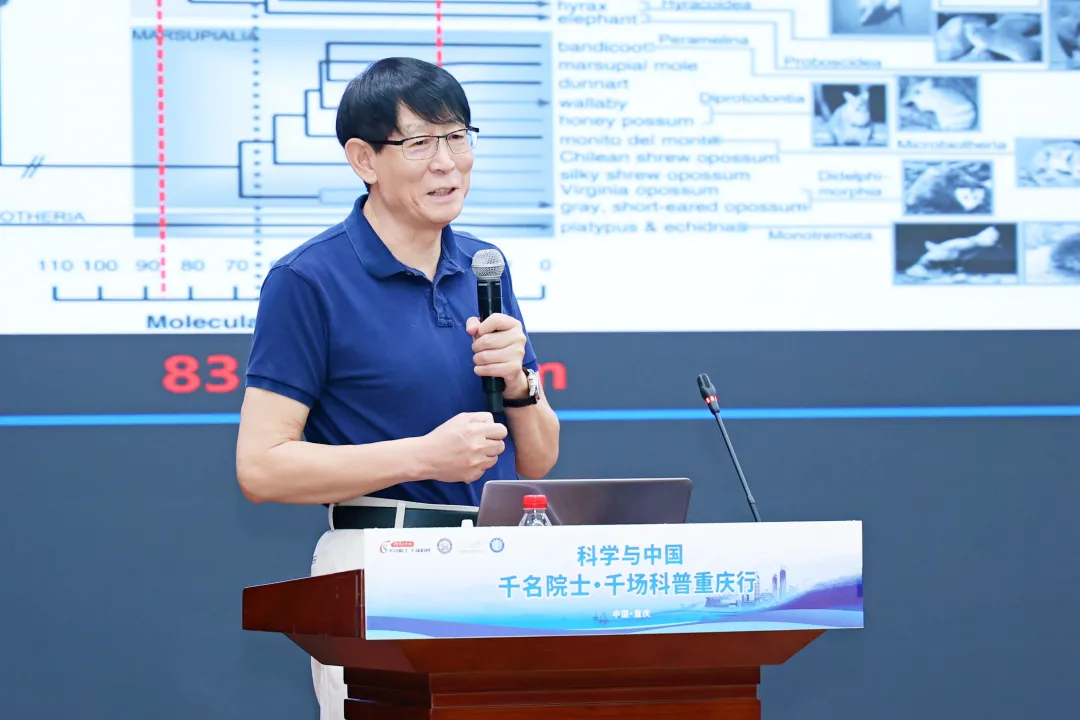
Academician Ji Weizhi systematically elaborated on the cutting-edge progress in experimental animal ethics, embryonic development, organ reconstruction, stem cell therapy, and disease model construction to help teachers and students understand relevant scientific knowledge. During the Q&A session, the audience actively exchanged views on issues such as brain science research and the application prospects of primate models in the treatment of aging diseases and common diseases. Finally, Academician Ji Weizhi encouraged contemporary college students with the words "persistence and hard work", hoping that they would persevere on the scientific path and continuously improve their scientific literacy.
Chongqing No. 1 Middle School
Academician Li Jinsong
Decoding the mystery of life "from cloning to semi-cloning"
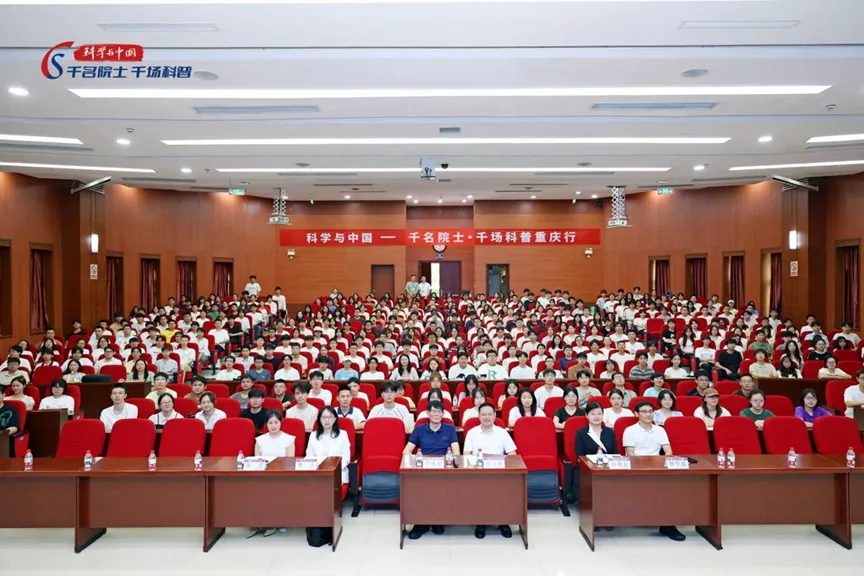
On the morning of October 10, Li Jinsong, an academician of the Chinese Academy of Sciences and researcher at the Center for Excellence in Molecular Cell Science of the Chinese Academy of Sciences, walked into Chongqing No. 1 Middle School and gave a wonderful popular science lecture titled "From Cloning to Semi-Cloning - Technological Progress Leads Scientific Development" to more than a thousand teachers and students.
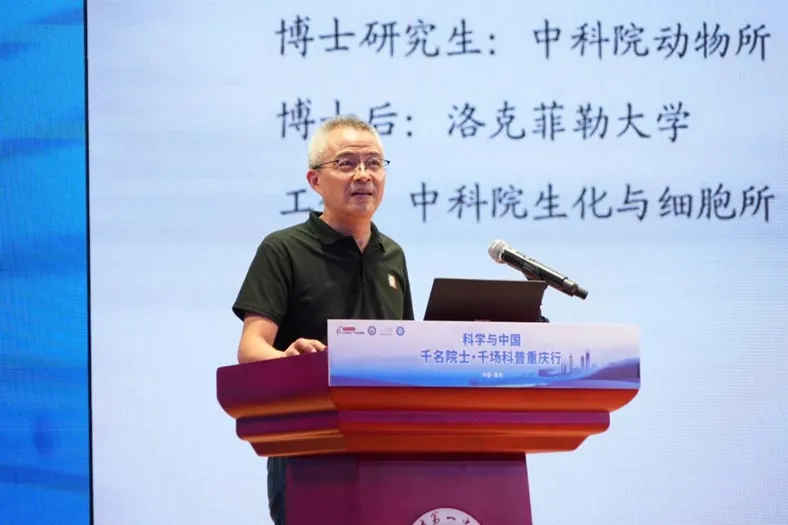
Academician Li Jinsong took the cloned sheep "Dolly" that shocked the world in 1996 as an example to explain the principle of traditional cloning technology in a simple and easy-to-understand manner - "like a complete photocopying process." He then led the audience into a more revolutionary new era of "semi-cloning" technology, vividly comparing it to "intelligent editing and reorganization." Facing the huge challenges of protein research in life sciences - that is, the preparation of traditional antibodies is cumbersome and half of the proteins do not have research tools, Academician Li Jinsong once again demonstrated his forward-looking scientific research vision. He proposed a "brain-breaking" solution - the "Genome Tagging Project" (GTP). He cleverly compared it: "This is like building the 'Beidou Navigation System' for life science research. By putting standardized 'tags' on proteins, we can quickly locate their location, interactions and dynamic changes in the body, greatly simplifying research. ”Academician Li Jinsong combined his own experience to encourage students to stay curious and be brave in exploration and innovation, which won warm applause from the audience.
Chongqing No. 1 Experimental Middle School
Academician Shi Yufang
Stem Cell Legend: Taming Inflammation and Unlocking Repair
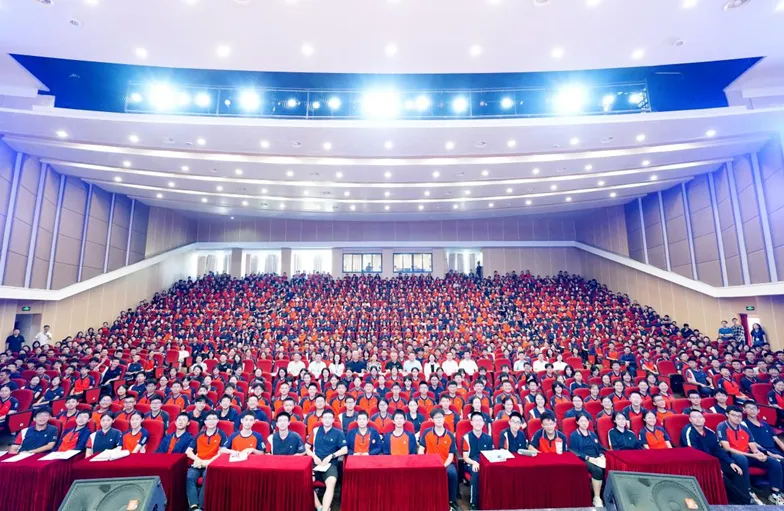
On the morning of October 10, Professor Shi Yufang, academician of the European Academy of Sciences and dean of the Institute of Translational Medicine of Soochow University, walked into Chongqing No. 1 Experimental Middle School and gave a popular science lecture titled "The Legend of Stem Cells: Taming Inflammation and Initiating Repair" to more than 1,200 teachers and students in the school.
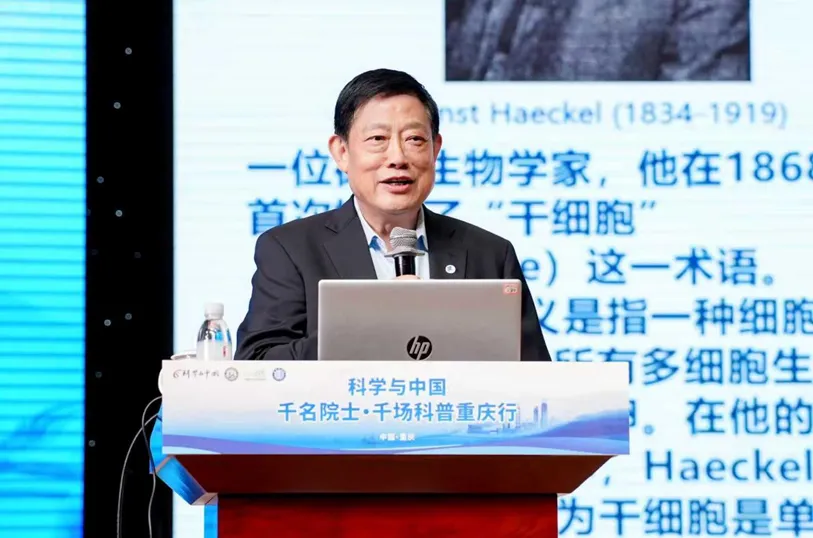
When the body sounds the “inflammation” alarm, we usually view it as an enemy that needs to be eliminated. However, in the eyes of top scientists, this microscopic battlefield contains the ultimate code for life's self-repair. Academician Shi Yufang started from the cutting-edge stem cell science and vividly explained how stem cells can precisely regulate inflammation like "smart drugs" and secrete signaling molecules to create a good environment for tissue repair and guide the body from chaos to order. Step into the legendary world of stem cells and discover how they act as "artisans of life" and accurately "decode" the complex signal of inflammation. Stem cells do not respond passively, but actively "tame" the out-of-control inflammatory storm into core instructions for initiating regeneration, thereby rebuilding health on the ruins of cells and turning damage into new life. Talking about the current status of scientific exploration, Academician Shi Yufang said that human exploration of the mysteries of life has so far only been the "tip of the iceberg." He used this to encourage the students present to study knowledge diligently and explore the truth of all things. The vast world of science in the future is waiting for them to explore.
High School Affiliated to Southwest University (Eastern District)
Professor Zeng Fanyi
Explore the "double helix of life sciences and culture and art"”
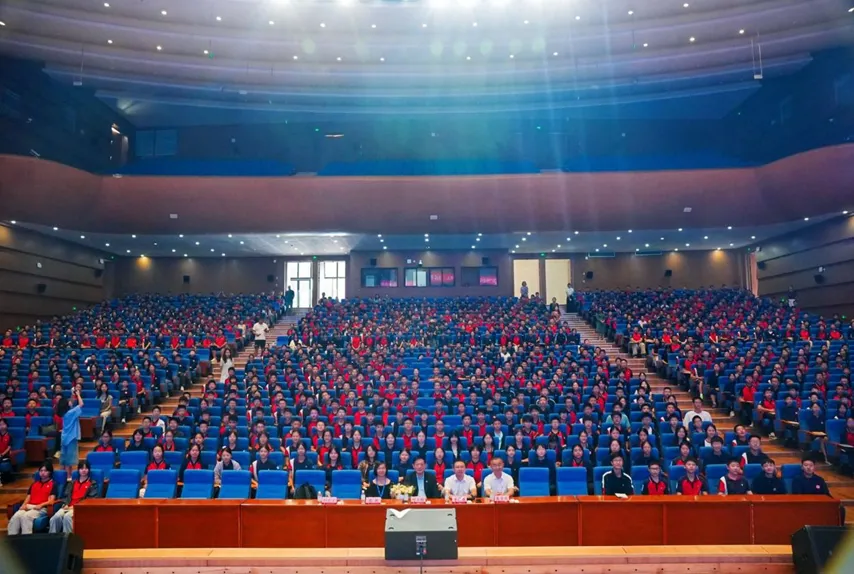
On the morning of October 10, Professor Zeng Fanyi from Shanghai Jiao Tong University, chief scientist of the National Major Scientific Research Program (973 Project), walked into the Middle School Affiliated to Southwest University (East District) and gave a popular science lecture titled "The Double Helix of Life Sciences and Culture and Art: The Source of Inspiration and Creation" to more than 1,300 teachers and students.
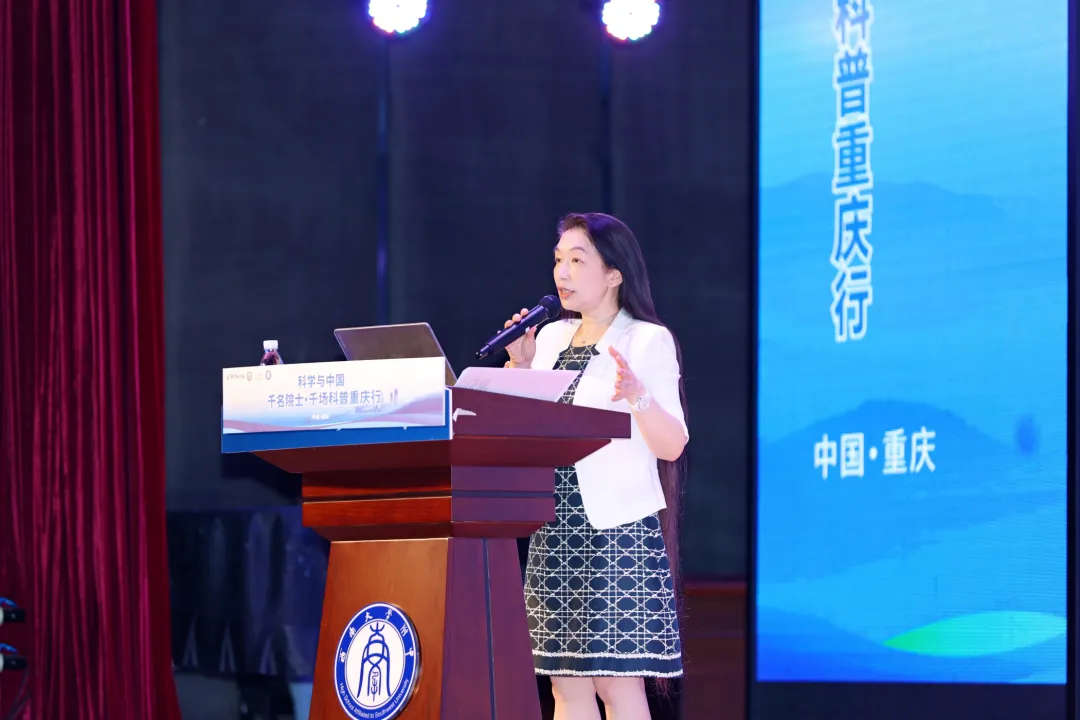
The famous writer Flaubert once said: "The further you go, the more art must be scientific, and science must also be artistic. The two separate at the foot of the mountain and meet at the top of the mountain." ”Professor Zeng Fanyi believes that art is the depiction of life, and science is the analysis of life. Science and art are the collision of rationality and sensibility, rigor and romance. The two may seem incompatible, but in fact they are interdependent and mutually successful just like the double helix structure of DNA. The interaction between Professor Zeng Fanyi and his classmates was open and sincere, turning a short hour and a half into a pleasant journey of exploration. She encouraged the students to learn as much knowledge as possible in various fields and aspects, which will be of great help to their future growth.
Chongqing Science City Xinfeng Primary School
Professor Wang Jichang
Opening up the boundaries of imagination - how to grow human organs on pigs
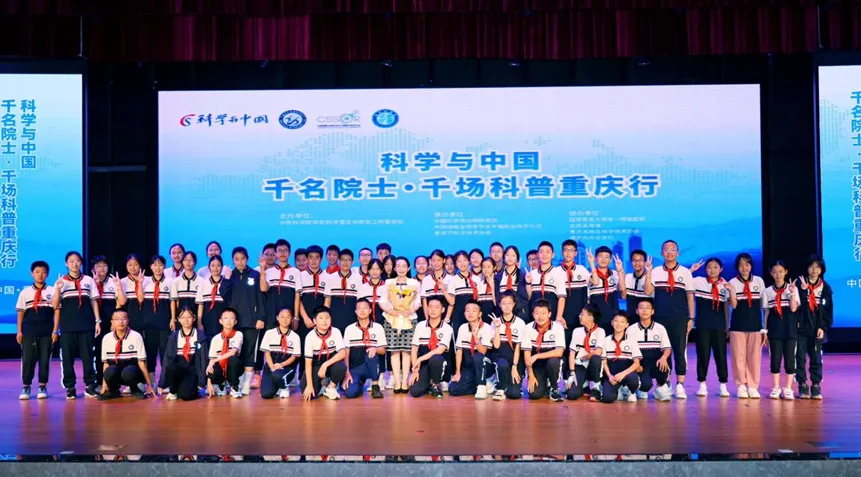
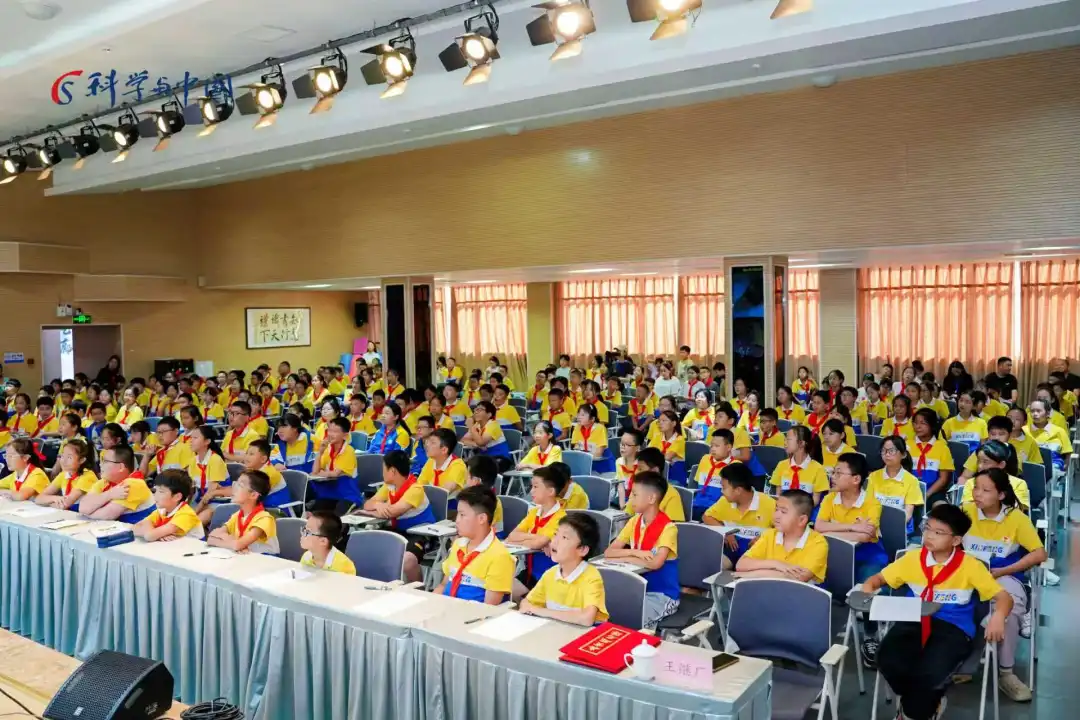
On the afternoon of October 10, Professor Wang Jichang from Sun Yat-sen University walked into Xinfeng Primary School in Chongqing Science City and gave a popular science lecture titled "Opening the Boundaries of Imagination - How to Grow Human Organs from Pigs" to more than 200 teachers and students in the school.
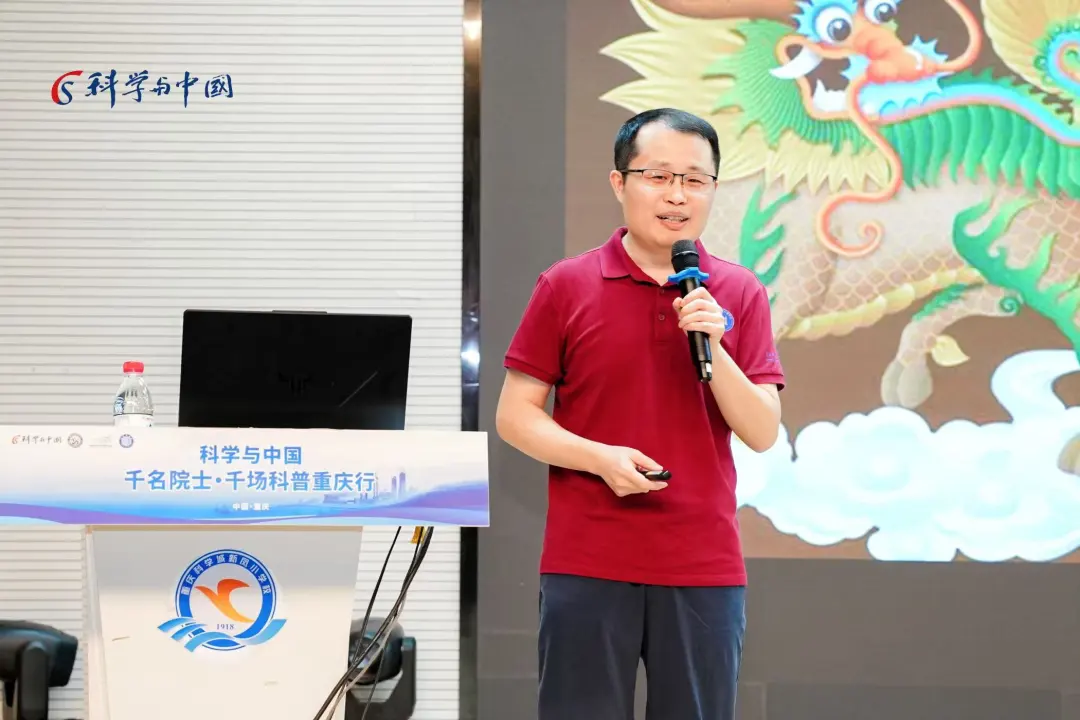
When organ failure becomes a problem that must be faced, how should humans continue to live? Professor Wang Jichang said that the ancient Chinese totem "Qilin" has already given us inspiration - the chimera of heterogeneous organisms may be our key to the future. Kirin, as an auspicious beast that combines deer antlers, lion head, tiger eyes, elk body, and ox tail, is the perfect metaphor for "chimera of heterogeneous organisms" in modern life sciences. Scientists are trying to embed human stem cells into animal embryos to create "humanized organs" for transplantation, allowing pigs to grow kidneys or hearts that can be used by humans. At the lecture, Professor Wang Jichang also used "Zhu Bajie" and other familiar images as examples, successfully stimulating primary school students' strong interest in "xenogeneic chimeras". He shared with everyone the scientific research progress and current challenges in the cutting-edge field of cultivating human organs in animals using cutting-edge biotechnology. Professor Wang Jichang hopes that students will always maintain curiosity and awe of life and be determined to contribute on the road of scientific exploration.
Chongqing Science City Shuren Sixian Primary School
Researcher Hao Jie
Revealing the secret of "small cells, big world"”
On the morning of October 11, researcher Hao Jie, director of the National Stem Cell Resource Bank of the Institute of Zoology, Chinese Academy of Sciences, walked into Shuren Sixian Primary School in Chongqing Science City and gave a lively popular science lecture titled "Small Cells, Big World" to more than 300 senior primary school students.
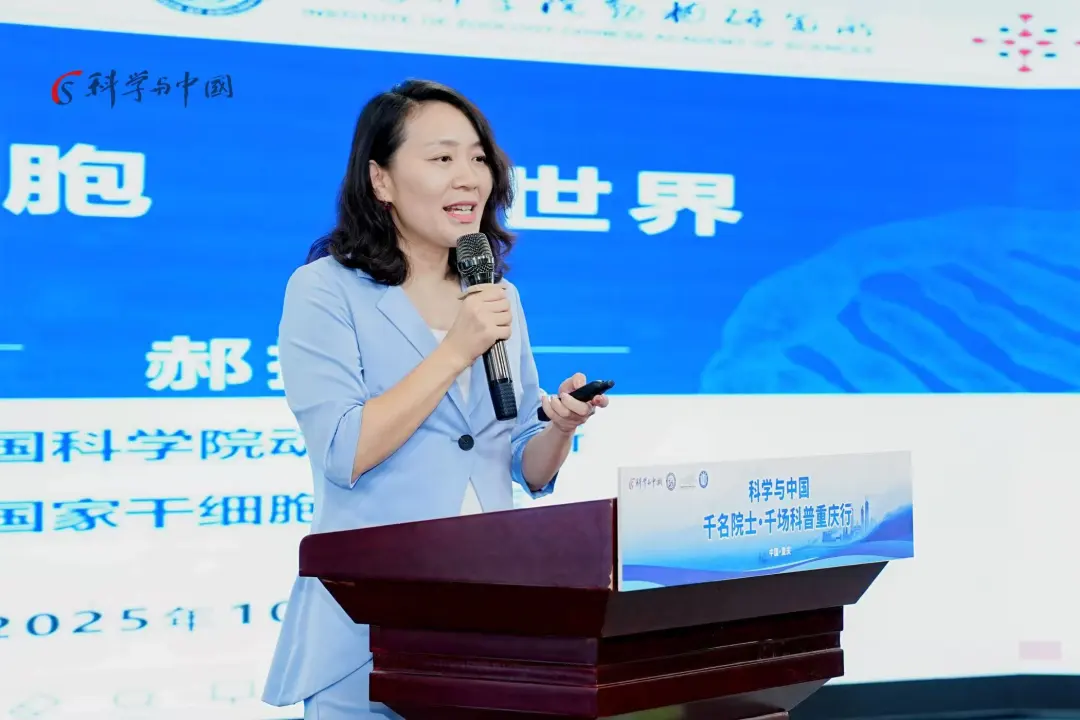
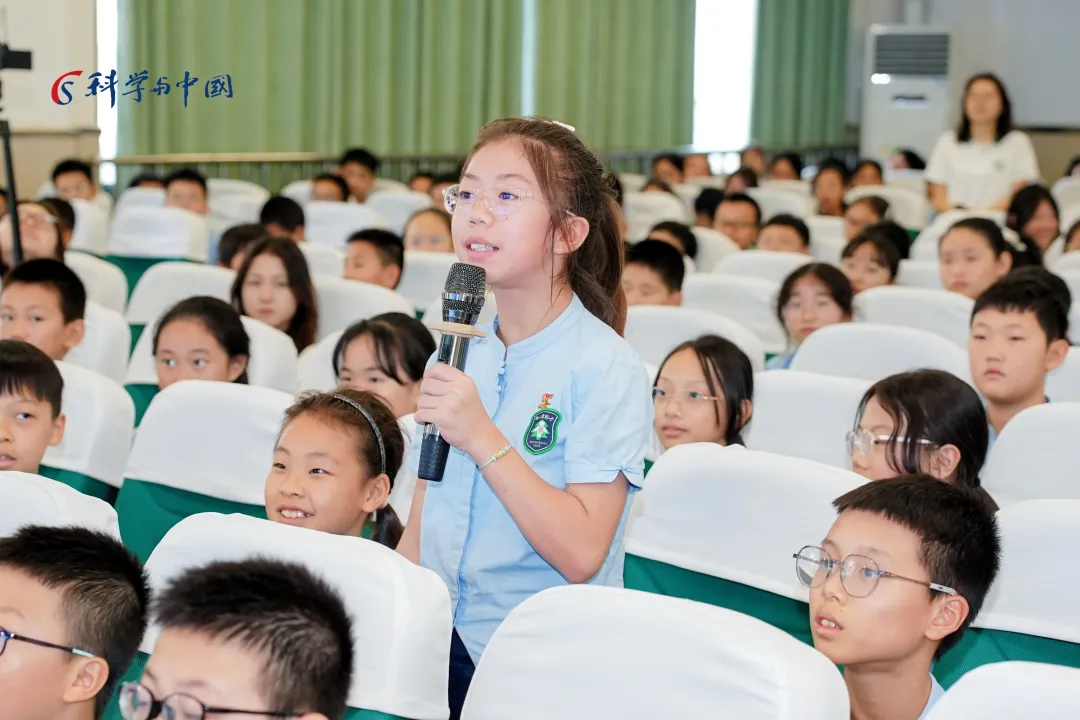
Researcher Hao Jie started from the basic question "What are cells?" and guided the students to think about the role of cells in the human body. Then, she introduced the core theme of "stem cells" and compared stem cells to a monkey hair of Sun Wukong. This metaphor made the students instantly understand the essence of stem cells. Combining popular science videos and images, she introduced the characteristics of different cell types in a simple and easy-to-understand manner, and demonstrated the huge potential of stem cells in different fields. The "superpowers" of stem cells greatly attracted the attention of the students. During the question and answer session, the students enthusiastically raised their hands, showing their strong interest in stem cell knowledge. At the end of the activity, researcher Hao Jie shared with the students his persistence and inheritance in scientific research, conveying the values of persistence, responsibility and love.
Chongqing No. 37 Middle School
Researcher Li Wei
Exploring gene therapy: "operating on genes"”
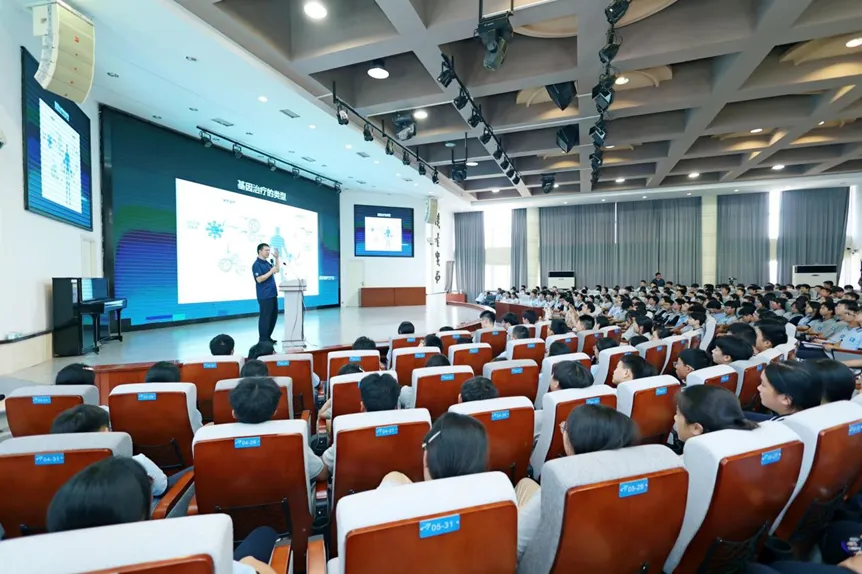
On the morning of October 11, researcher Li Wei, director of the National Key Laboratory of Organ Regeneration and Intelligent Manufacturing, Institute of Zoology, Chinese Academy of Sciences, walked into Chongqing No. 37 Middle School and gave a popular science lecture on the theme of "Gene Therapy: 'Performing Surgery' on Genes" to more than 400 teachers and students.
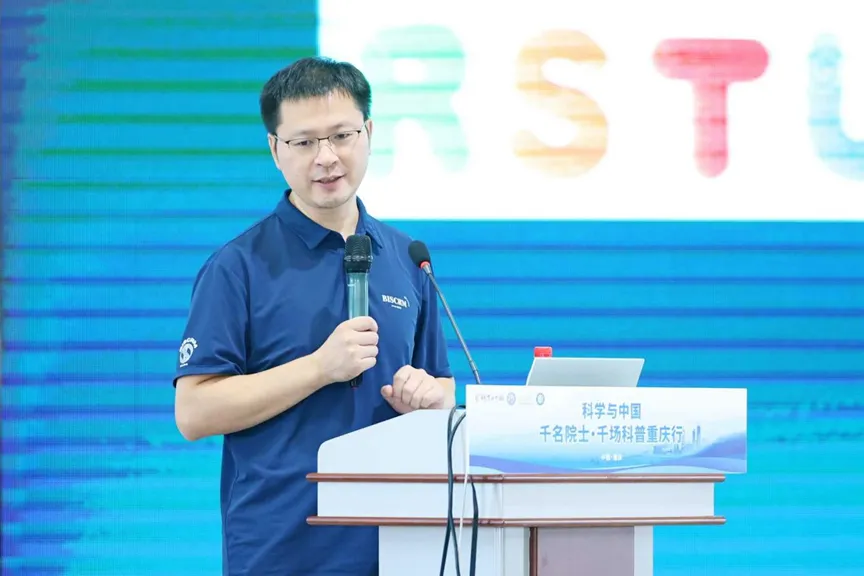
Researcher Li Wei mentioned that engineering biology, as an emerging interdisciplinary subject, is promoting the development of gene therapy with unique perspectives and innovative methods. He elaborated on how to use engineering biology technology to precisely edit and regulate genes to develop safer and more effective gene therapy strategies. These engineering biotechnologies often show breakthrough results in the treatment of various diseases. At the end of the activity, researcher Li Wei shared his growth trajectory with the students. He encouraged the students to study diligently, accumulate knowledge, constantly explore the unknown, be brave enough to challenge themselves, and always maintain curiosity about science.
Western Science City Chongqing High-tech Zone Management Committee
Academician Gu Ning
Technological innovation for vascular information and health engineering
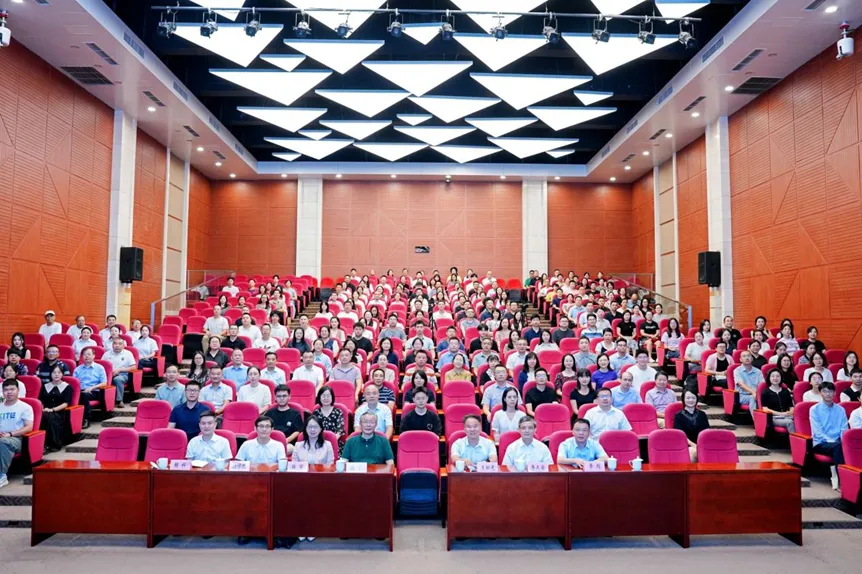
On the afternoon of October 11, Professor Gu Ning, academician of the Chinese Academy of Sciences and Professor of Nanjing University, walked into the Management Committee of Chongqing High-tech Zone in the Western Science City and gave a popular science lecture titled "Technological Innovation for Vascular Information and Health Engineering" to more than 300 guests.
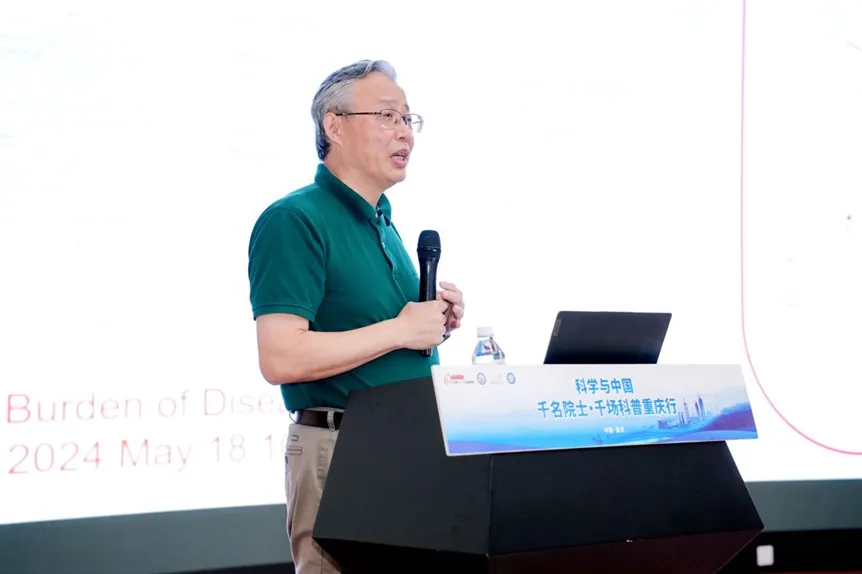
Academician Gu Ning took common cardiovascular and cerebrovascular diseases as an example, cited the view that "people and blood vessels live the same life", pointed out that vascular health is the cornerstone of overall health, and called on the whole society to pay attention to the "vascular information and health project". In response to the current common problems, Academician Gu Ning pointed out that traditional detection methods have certain limitations, and advocated the integration of multi-dimensional information, combined with artificial intelligence and big data modeling, to achieve a comprehensive early warning system for vascular diseases. As a pioneer in the field of nanomedical materials, Academician Gu Ning focused on the new contrast agent and integrated diagnosis and treatment platform developed by his team represented by iron-based nanomaterials. He revealed that his team has joined forces with major universities to build a bridge connecting basic research and clinical application of translational medicine, highlighting the strategic significance of "integration of medicine and engineering" in solving major health problems.
Middle School Affiliated to Southwest University, Liangjiang New Area, Chongqing
Professor Yang Yongguang
Talk about "Medical Immunology: Immunity and Health”
On the afternoon of October 11, Professor Yang Yongguang, Dean of the Institute of Translational Medicine of the First Hospital of Jilin University, walked into the Middle School Affiliated to Southwest University in Liangjiang New District, Chongqing, and gave a popular science lecture titled "Medical Immunology: Immunity and Health" to more than 800 teachers and students in the school.
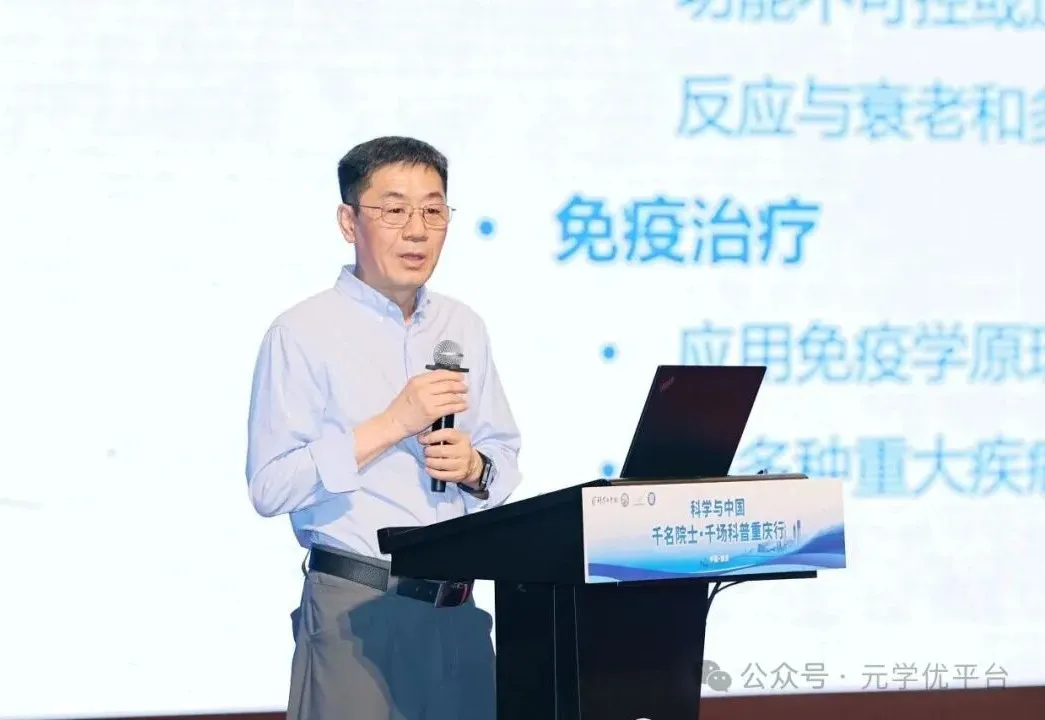
Professor Yang Yongguang started with "Fever is a signal that the immune system is activated" and vividly introduced the basic functions and importance of the immune system. He further analyzed the three major problems that may be caused by immune system imbalance, focusing on two cutting-edge treatment strategies, namely immune checkpoint inhibitors and CAR-T cell therapy for tumors, as well as the exploration of gene editing technology for AIDS. The entire lecture explained the key role and innovative vitality of immunology in disease prevention and treatment in simple and easy-to-understand terms. At the end of the activity, Professor Yang Yongguang encouraged the students with the concept that "scientific research requires courage, and only by breaking through the inherent thinking can we promote scientific progress" and sent a message to the students to move forward courageously on the road to exploring future science.
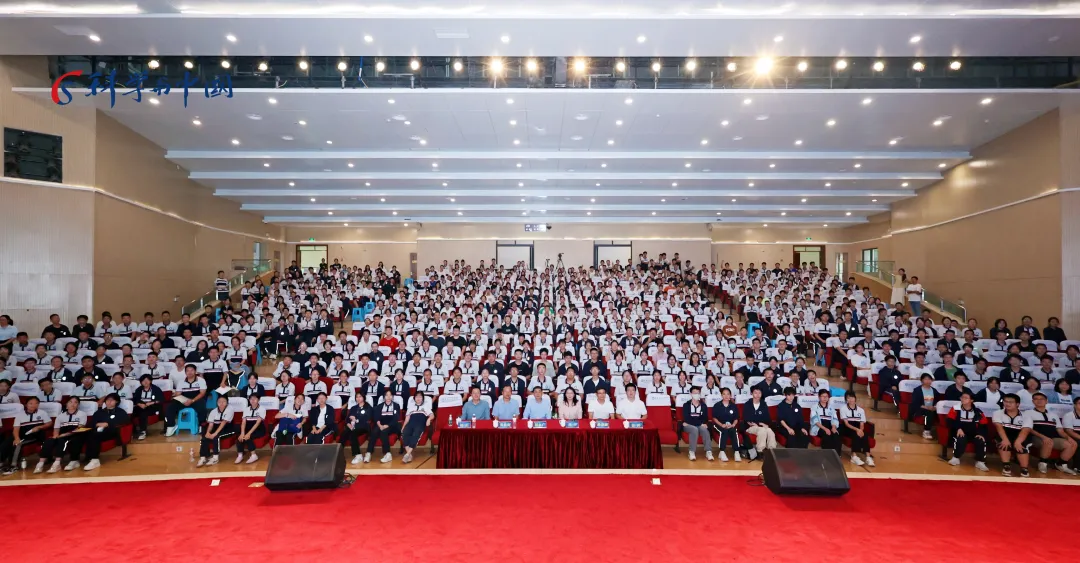
This event is a pragmatic measure to thoroughly implement General Secretary Xi Jinping’s important exposition on science popularization work and the spirit of an important reply to the “Science and China” academician and expert representatives. It is also a concrete practice to fully implement the newly revised “Science and Technology Popularization Law of the People’s Republic of China”. By inviting academicians and experts to the western region to conduct popular science lectures and introduce cutting-edge scientific progress, it effectively promotes the popularization of high-end scientific research resources, helps improve the scientific literacy of the public, and stimulates young people's interest in scientific research. Media such as People's Daily Online, Xinhuanet, China News Service, Chongqing Daily, Hualong.com, Chongqing Science and Technology Integrated Media Center, Comics, and Inside and Outside the Classroom conducted in-depth reports on the event, setting off an upsurge in the whole society to talk about science, love science, learn science, and use science.
The event was hosted by the Science Popularization and Education Working Committee of the Chinese Academy of Sciences, organized by the Institute of Zoology of the Chinese Academy of Sciences, the Stem Cell Biology Branch of the Chinese Society of Cell Biology, and the Chongqing Science and Technology Association, and co-organized by the First Affiliated Hospital of the Army Medical University, Jinfeng Laboratory, Chongqing High-tech Zone Science and Technology Association, and magazines inside and outside the classroom.


Number
023-68059937
Email:Jinfeng@jflab.ac.cn
Address:
No.313, Bella Road Chongqing High-tech Zone
Postal code: 401329

 渝公网安备50009802002274