
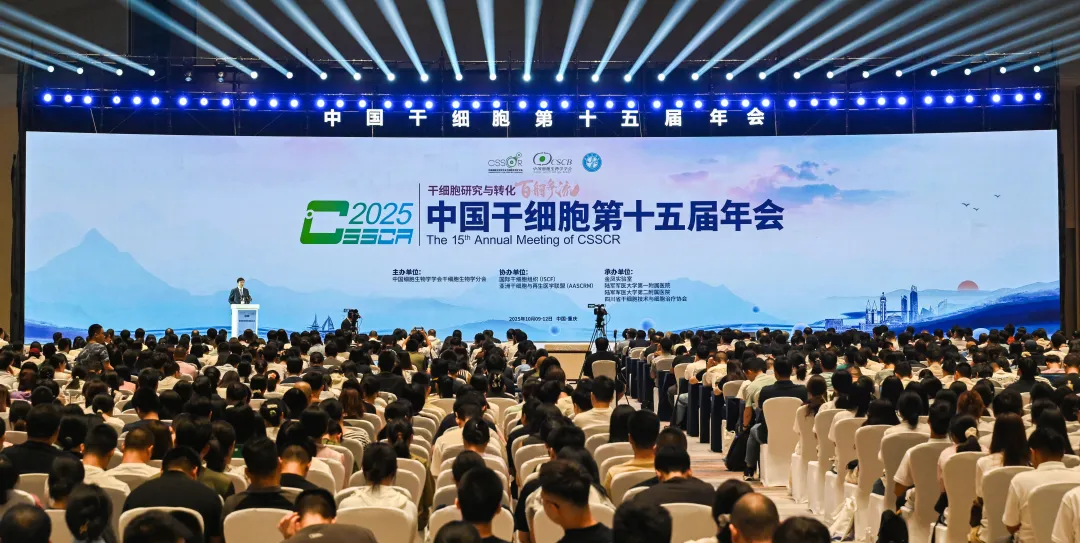
On October 10, 2025, with the theme of "Stem Cell Research and Transformation—A Hundred Countries Contest", it was hosted by the Stem Cell Biology Branch of the Chinese Society of Cell Biology, the International Stem Cell Organization (ISCF), and the Asian Stem Cell and Regenerative Medicine Alliance (AA SCRM) and co-organized by Jinfeng Laboratory, the First Affiliated Hospital of Army Medical University, the Second Affiliated Hospital of Army Medical University, and the Sichuan Provincial Stem Cell Technology and Cell Therapy Association, the "15th Annual Conference of Chinese Stem Cells" kicked off at the Chongqing Science Hall.
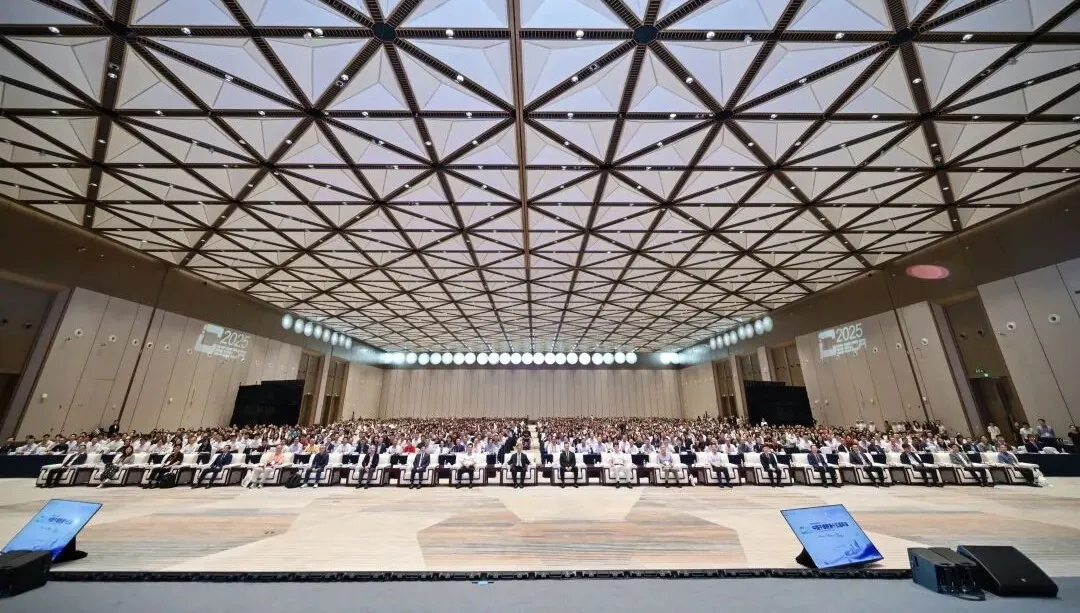
Ma Zhen, deputy mayor of the Chongqing Municipal People's Government, Zhou Qi, academician of the Chinese Academy of Sciences and honorary chairman of the conference, Ji Weizhi, academician of the Chinese Academy of Sciences and honorary chairman of the conference, and Bian Xiuwu, academician of the Chinese Academy of Sciences and chairman of the conference, attended the opening ceremony of the conference and delivered speeches. Academicians Wang Songling, Li Jinsong, Gu Ning, Gao Shaorong, Zhang Zemin, Wang Cunyu, and Shi Yufang, as well as nearly 3,000 experts and scholars from well-known universities, scientific research institutions, medical institutions and biomedical companies in China and Japan, South Korea, Singapore, Australia, and Malaysia, gathered together to conduct academic exchanges and discuss cooperation matters around core topics such as stem cell basic research progress, clinical translation and application, and industrial development and upgrading.
This annual meeting will last until October 12, during which an international forum will be held to invite top domestic and foreign experts to participate in the meeting to share the latest developments in global stem cell research and transformation.
Main content of the meeting
This annual meeting has carefully set up a rich and diverse academic activities to comprehensively present the latest scientific research results in the field of stem cells.
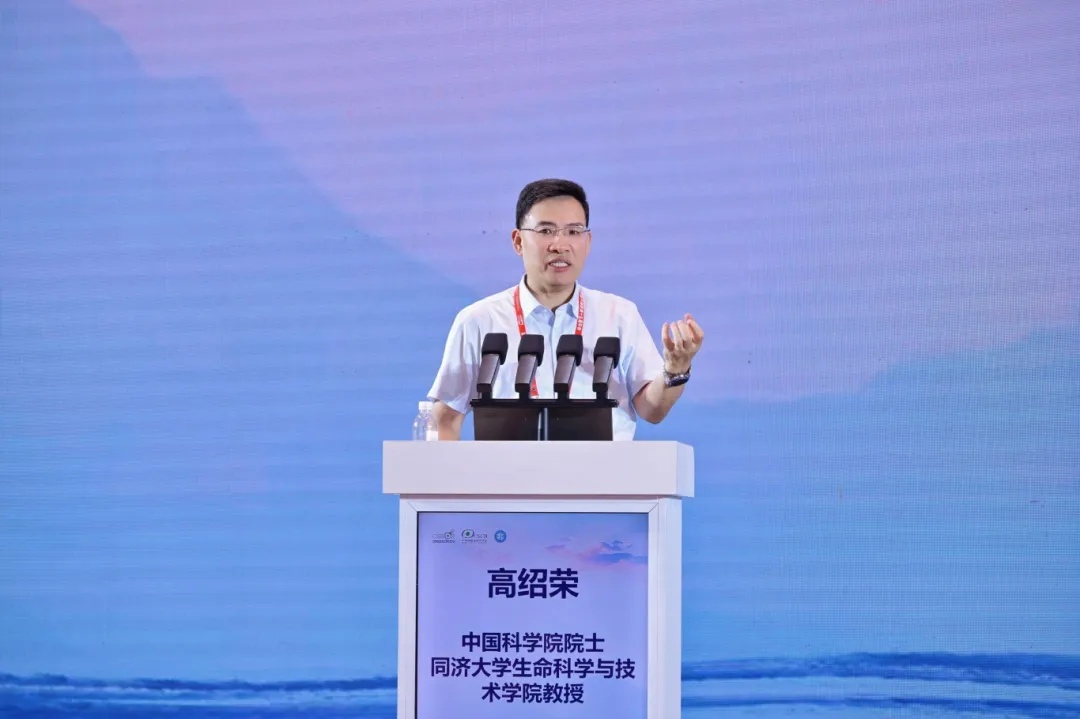
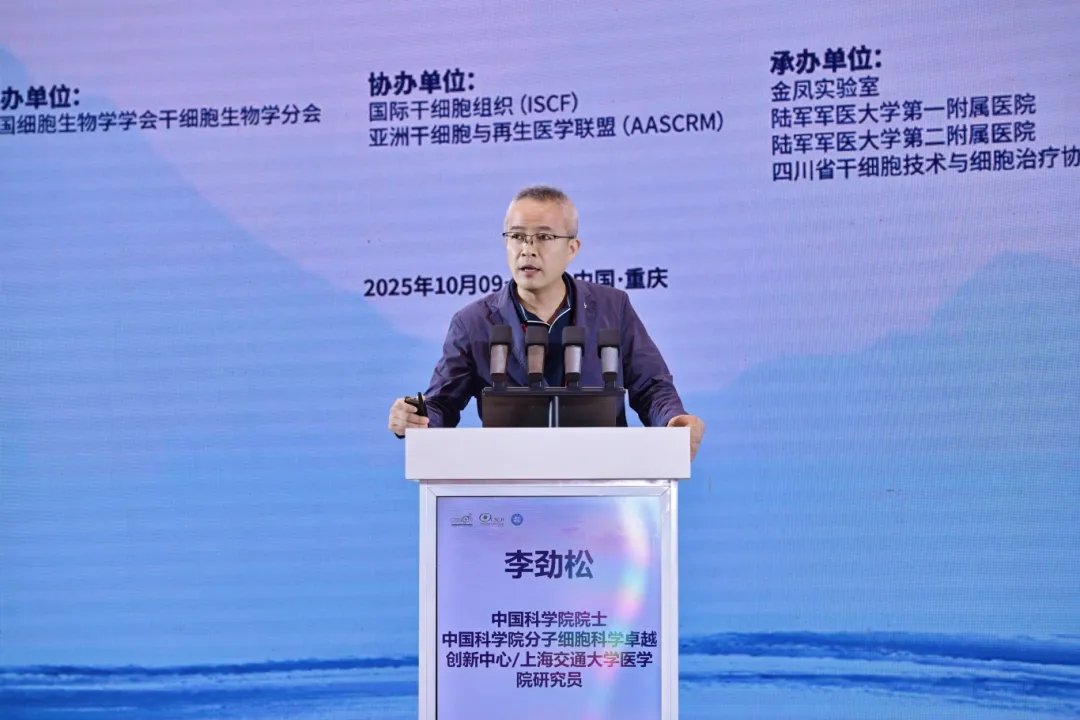
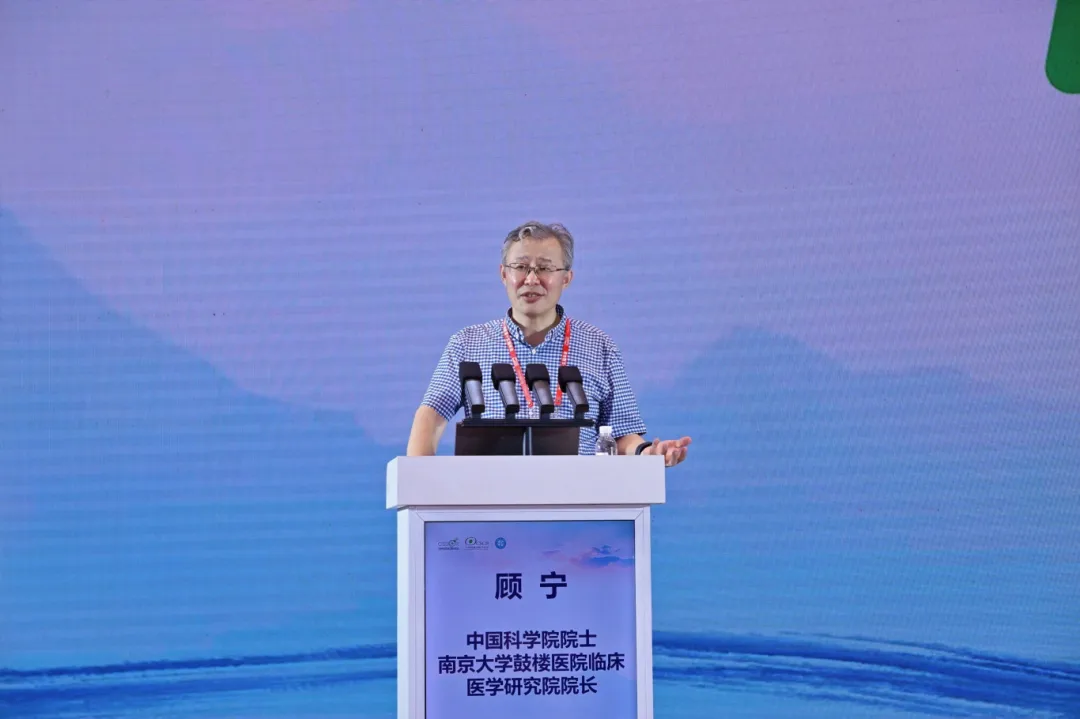
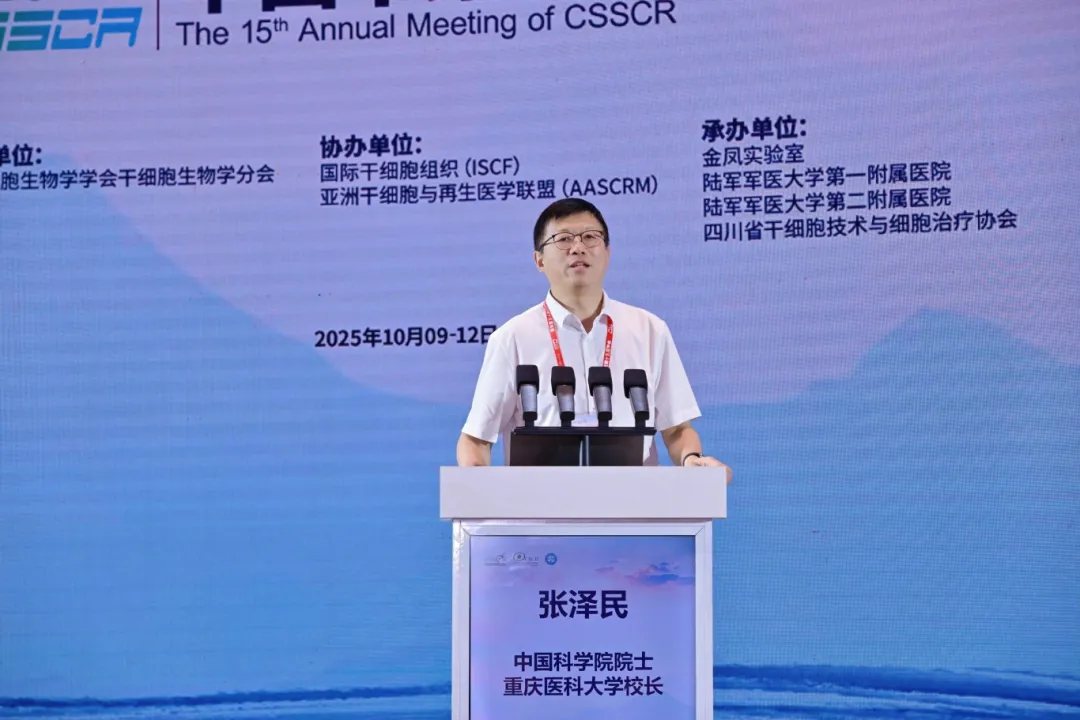
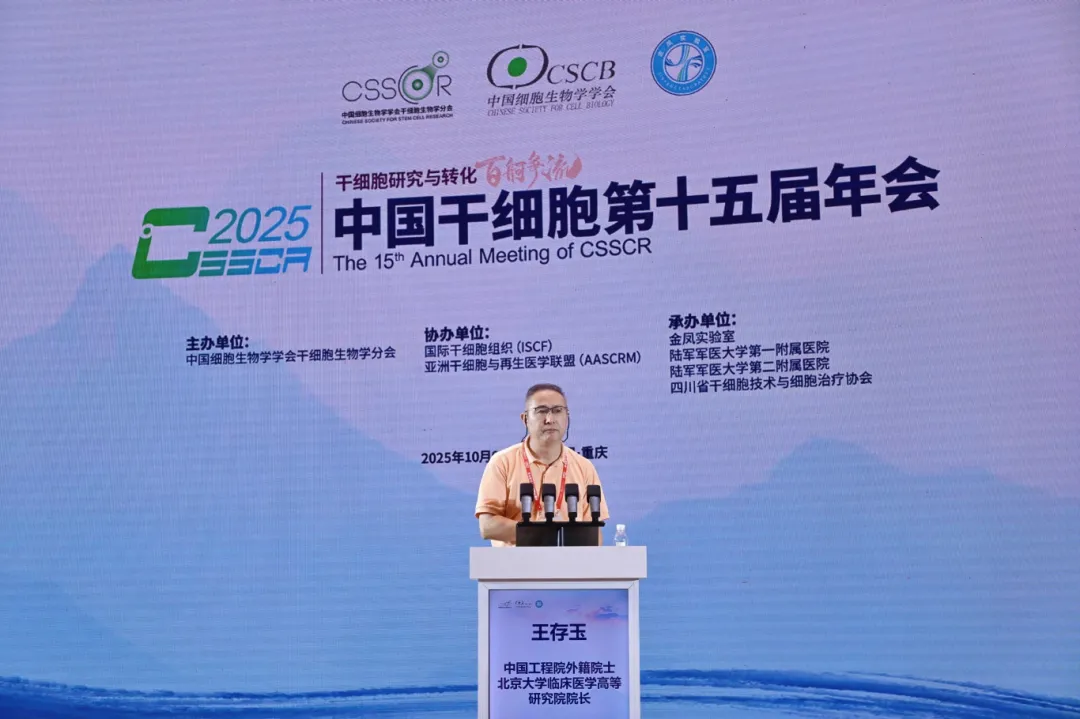
In the keynote speech after the opening ceremony, Gao Shaorong, academician of the Chinese Academy of Sciences and dean of the School of Life Sciences and Technology of Tongji University, gave an in-depth introduction to the research progress his team has made over the years on the mechanism of epigenetic regulation of cell fate transitions under the title "Epigenetic Regulation of Cell Fate", and proposed the necessity of improving the potential of embryonic-like development.; Li Jinsong, academician of the Chinese Academy of Sciences and director of the Center for Excellence in Molecular Cell Science of the Chinese Academy of Sciences, focused on "the establishment and application of semi-cloning technology" and systematically elaborated on the core technology of reprogramming sperm into male haploid embryonic stem cells through nuclear transfer, and using their replacement sperm to efficiently produce semi-cloned mice through cytoplasmic injection. ; Gu Ning, academician of the Chinese Academy of Sciences and professor of Nanjing University School of Medicine, focused on "cell nanotechnology" and shared the cutting-edge progress and application potential of iron-based magnetic nanomaterials and magnetic cells and other cellular nanotechnologies in immune cell therapy and stem cell repair. ; Zhang Zemin, academician of the Chinese Academy of Sciences and president of Chongqing Medical University, proposed the concept of "cross-tissue cell modules" with the title "Understanding Organizations and Patients from the Functional Units of Cells", and systematically analyzed the remodeling rules of cell modules in tumor progression, providing a new perspective for understanding the common mechanisms of cancer. ; Wang Cunyu, a foreign academician of the Chinese Academy of Engineering and dean of the Institute of Advanced Clinical Medicine at Peking University, took "Immune Escape of Cancer Stem Cells" as the theme and gave an in-depth analysis of the cancer stem cells of squamous cell carcinoma that upregulate the immune checkpoint molecule CD276 (B7-H3) to evade the host immune response. Targeting CD276 can reduce epithelial-mesenchymal transition and provide new treatment ideas for tumor treatment.
The sub-forums include more than 100 high-level academic reports, special seminars, and industrial forums, and have set up special links such as stem cell fund release, poster display, and youth forum, covering seven core areas of "stem cells and development," "stem cells and regeneration," "stem cells and disease models," "stem cell applications and industry," "stem cell cutting-edge intersections" and "tumor stem cells". It comprehensively displays the development trend of stem cell research from basic science to clinical application, from technological innovation to industrial implementation.
At the conference before the closing ceremony on the 12th, well-known experts such as Jing Naihe, a researcher at the Guangzhou Laboratory, Cheng Tao, director of the Hematology Hospital of the Chinese Academy of Medical Sciences (Institute of Hematology, Chinese Academy of Medical Sciences), and Wang Yangming, Boya Distinguished Professor of the School of Future Technology at Peking University and director of the Institute of Molecular Medicine, will give wonderful reports.
The China Stem Cell Annual Conference is a highly authoritative and influential annual academic event in the field of stem cells in my country. Since the first annual conference was held in 2010, it has been successfully held for fourteen times. The annual conference has always been based on the forefront of global stem cell research, focused on key issues in industry development, and built a cross-field, multi-level communication and cooperation platform for scientific researchers, clinicians, and industry practitioners. It has played an irreplaceable and important role in promoting the development of stem cell disciplines in my country and accelerating the implementation and transformation of scientific research results. It is worth mentioning that the fifth annual meeting in 2015 was held independently as a branch in Chongqing for the first time, opening a new chapter in the academic field of stem cells in China. It was held again in Chongqing after ten years. This annual meeting not only continues the original mission of describing a new chapter of industry exchanges in terms of academic exchanges and scientific popularization, but also demonstrates the mission of starting a new journey of industry innovation in terms of application of results, industry supervision, and international participation. It will surely become a new starting point and a new benchmark for the future development of the stem cell field.

Number
023-68059937
Email:Jinfeng@jflab.ac.cn
Address:
No.313, Bella Road Chongqing High-tech Zone
Postal code: 401329

 渝公网安备50009802002274