
Lecture review
Lecture 1: Metabolic Sparks and Tumor Evolution
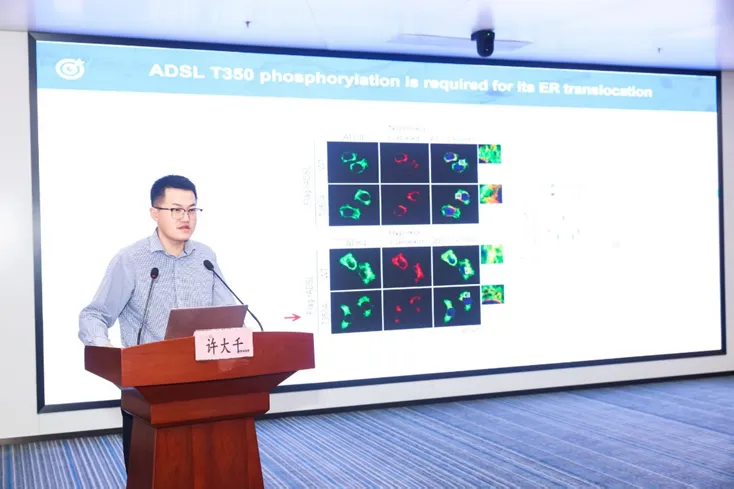
Introduction to the speaker
Xu Daqian , researcher at the School of Medicine of Zhejiang University, doctoral supervisor, winner of the National High-level Talent Youth Program (Overseas Youth), chief scientist of the Youth Program of the National Key R&D Program, and a core member of the Zhejiang Province's leading basic research team for innovation and entrepreneurship. He has been committed to tumor metabolism research for a long time and has published more than 30 papers in international authoritative academic journals.
Main content
This lecture focuses on the core relationship between tumor metabolic reprogramming, the "metabolic spark" and tumor evolution. Tumor cells gain survival advantages by actively reconstructing metabolic patterns. Their landmark Waberg effect is preferred for anaerobic glycolysis even in an aerobic environment, providing energy and biosynthesis raw materials for rapid proliferation. At the same time, we look forward to the clinical transformation prospects and propose inhibitors targeting metabolic nodes such as GLUT1 and LDH-A. Combined with immunotherapy, we can accurately hit tumor weaknesses, provide a new direction for overcoming drug resistance, and trigger extensive discussions of metabolic targeting strategies by listeners.
Lecture 2: Research on DNA damage response and tumor development and drug resistance
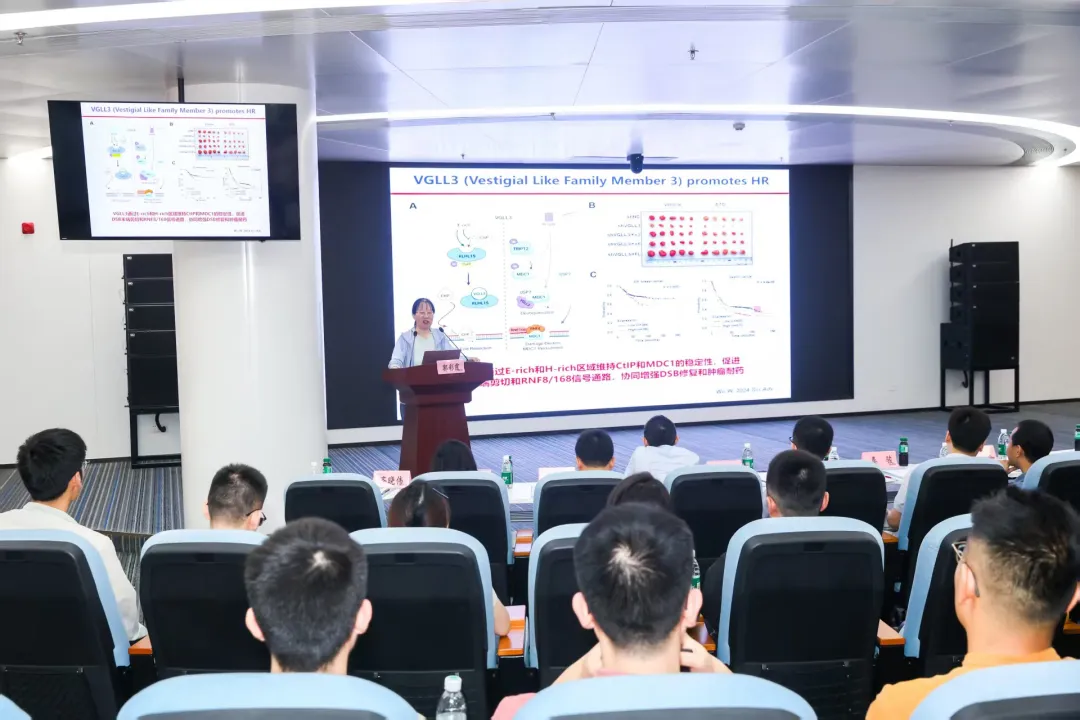
Introduction to the speaker
Guo Caixia , researcher at the Beijing Institute of Genomes, Chinese Academy of Sciences (National Bioinformatics Center). Long-term exploration of the relationship between DNA damage response, genomic instability and human disease occurrence/development, and published more than 70 SCI papers, including more than 40 first and correspondent authors, including Cell and Mol Cell, Sci Adv, Nat Commun, PNAS, EMBO J, etc., undertake national natural key and special projects.
Main content
This lecture revolves around the DNA damage response (DDR) system, analyzing its core role in tumorigenesis and treatment of drug resistance. DDR is a key mechanism for maintaining genome stability, and eliminates damaged cells through kinase activation of repair pathways or inducing apoptosis. The sensitivity of BRCA-mutated tumors to PARP inhibitors can also be lost due to pathway function recovery. Finally, the lecture looked forward to a new direction for treatment, and proposed the use of ATM, ATR inhibitors with radiotherapy and chemotherapy, or combined with dynamic monitoring of liquid biopsy to provide ideas for overcoming drug resistance and achieving precise treatment.
Lecture 3: Ionizing radiation and hematopoietic stem cell homeostasis maintenance
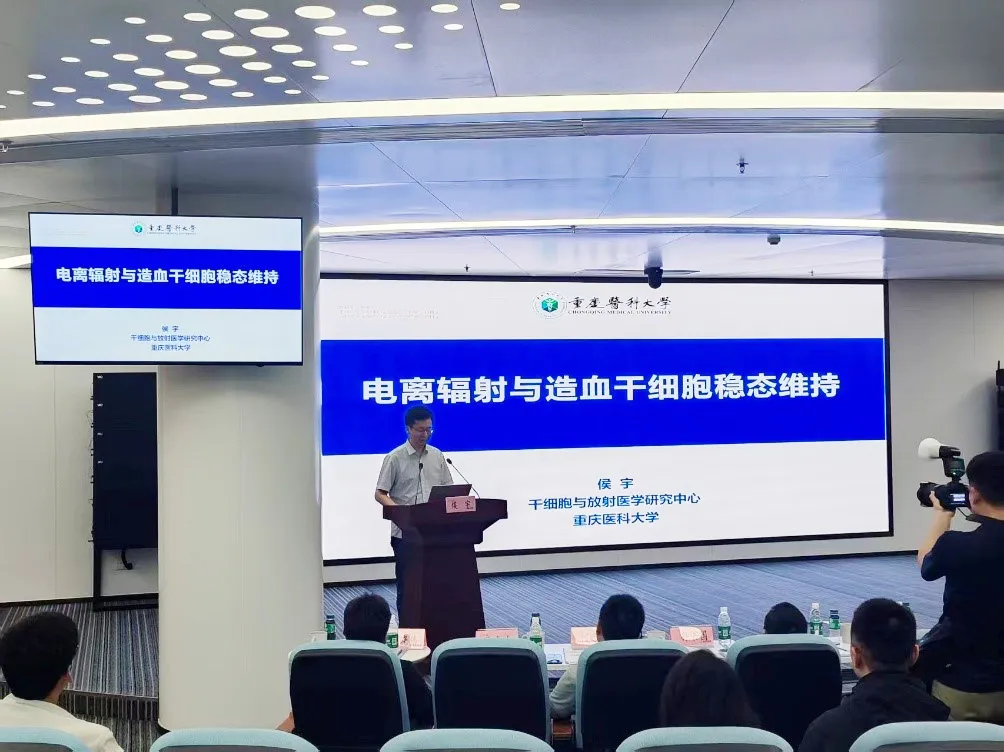
Introduction to the speaker
Hou Yu , Vice Dean of the School of Basic Medicine of Chongqing Medical University, Doctoral Supervisor, selected for the Youth Science Foundation of China (Class A), the Youth Project of the National Overseas High-Level Talent Introduction Program, Chongqing Outstanding Youth Young People, Chongqing Talents and Innovation Leading Talents (Education Field), and other talent projects. The main research areas are the maintenance of hematopoietic stem cells and their radiation damage mechanism, the mechanism of leukemia occurrence and targeted intervention of leukemia stem cells. Research results published in Cell Stem Cell(2024), Nature Immunology(2015),JEM(2024,2022),Leukemia(2024,2022,2015),Nature Communications (2025) et al.
Main content
This lecture focuses on the dual effects of ionizing radiation on the homeostasis of hematopoietic stem cells (HSCs). Low dose radiation can slightly activate HSC's DNA damage response pathway, promoting its self-renewal and differentiation balance ; High doses of radiation can cause serious damage to the HSC genome, causing apoptosis or aging, and destroying hematopoietic homeostasis. In addition, mesenchymal stem cells in the bone marrow microenvironment can secrete cytokines, enhancing HSC’s radiation resistance. Finally, clinical transformation is mentioned, and a targeted regulation of DNA repair or autophagy pathway is proposed to provide a new strategy for the recovery of hematopoietic function after radiation injury.
Lecture 4: Treatment and Tumor Plasticity Regulation
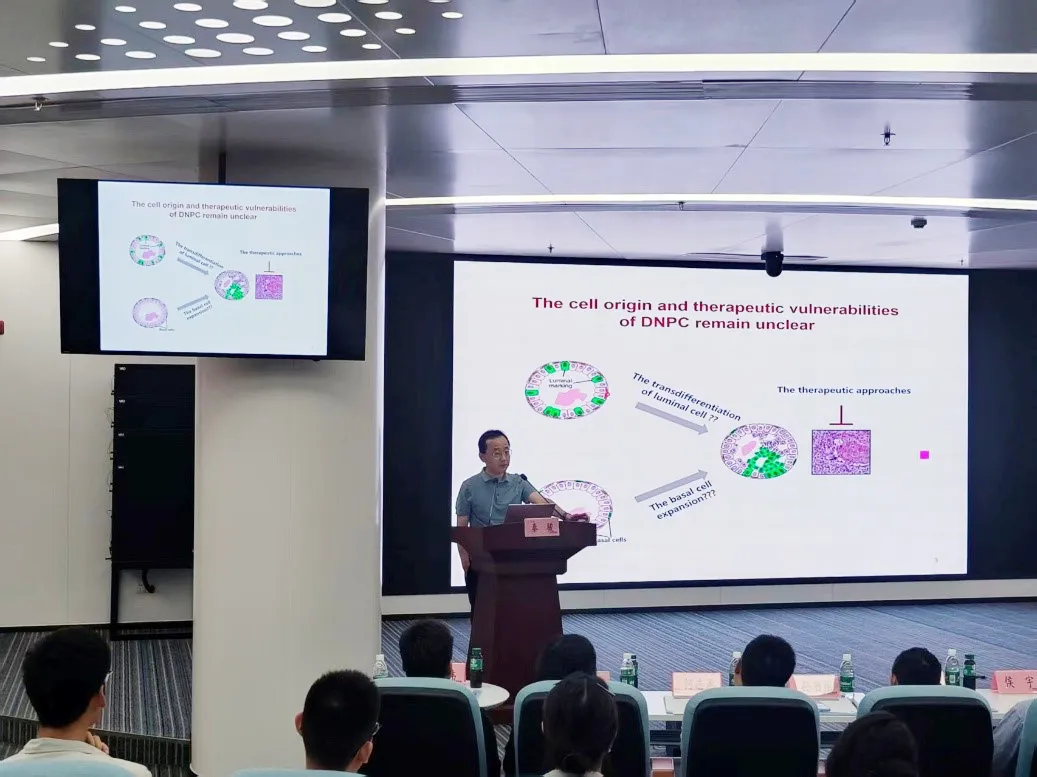
Introduction to the speaker
Qin Jun , a second-level researcher and doctoral supervisor at the Shanghai Institute of Nutrition and Health, Chinese Academy of Sciences, and a winner of the National Outstanding Youth Fund and Continued Funding and National Outstanding Youth Fund. He was selected as the "Thousands of Youth" Program of the Organization Department of the Central Committee of the Communist Party of China, and served as deputy director of the Key Laboratory of Tumor and Microenvironment of the Chinese Academy of Sciences and the head of the research group for epigenetic regulation and tumor cell plasticity.
Main content
This lecture focuses on the core role of tumor plasticity in therapeutic resistance and regulatory strategies. Tumor cells can reshape their phenotypes through epithelial-mesenchymal transformation, lineage reprogramming, etc., to avoid targeted drugs or chemoradiation and chemotherapy. The lecture deeply analyzes the regulatory mechanism: TP53 mutation and hypoxic microenvironment activate transcription factors such as SNAI1 to drive plasticity conversion ; Epigenetic drugs can inhibit histone deacetylase and reverse phenotypic remodeling. Finally, the lecture looked forward to clinical applications and proposed a joint plan of "targeted plasticity regulation pathway + traditional treatment", providing a new direction for overcoming drug resistance and improving therapeutic efficacy.
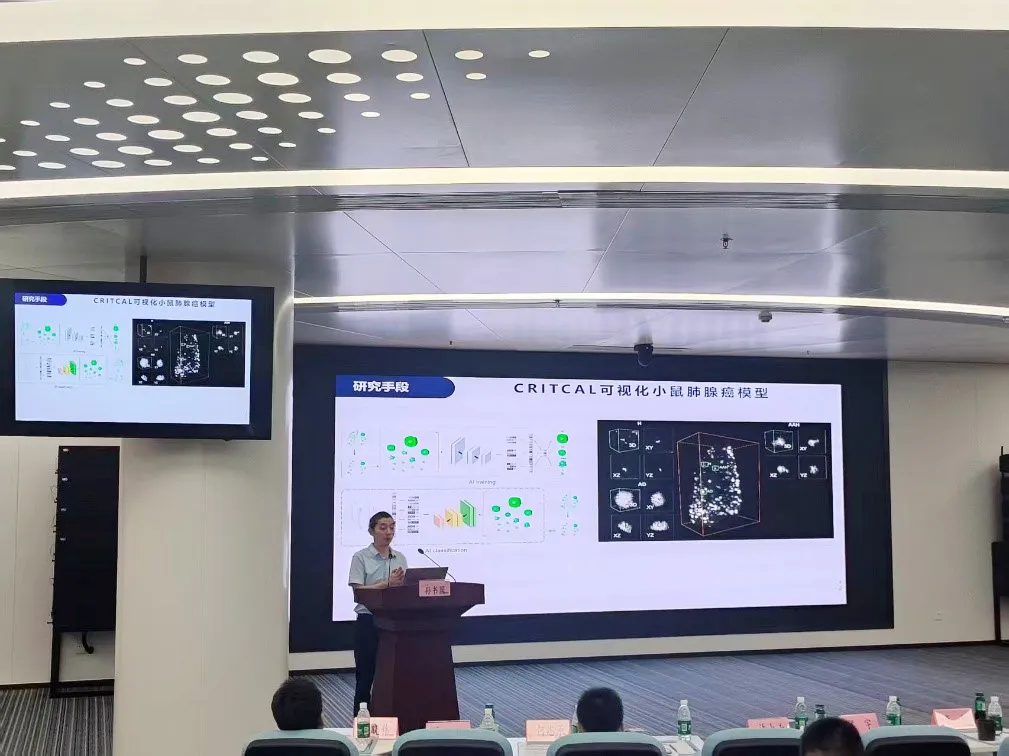
Lecture 5: Establishment of visual genetic model of lung cancer and research on the mechanism of early lung cancer dedifferentiation
Introduction to the speaker
Sun Shuguo , Professor of the Tongji Basic Medicine School of Huazhong University of Science and Technology, Director of the Department of Anatomy, and a thousand young people. We have long been committed to the research on the signal transduction mechanism and clinical application exploration of tumors, and use mouse genetic models based on whole mouse or organ transparency combined with CRISPR gene editing technology to conduct research on the mechanism of tumor malignancy and metastasis and exploration of diagnosis and treatment plans.
Main content
This lecture focused on the key tools and core mechanisms of lung cancer research. Through CRISPR-Cas9 technology, it constructs a visual genetic model of fluorescent labels, which can track the proliferation and migration process of lung cancer cells in real time, providing an intuitive basis for early diagnosis. Regarding the dedifferentiation mechanism, the lecture pointed out that the abnormal activation of stem cell transcription factors such as SOX2 and OCT4 in early lung cancer cells inhibits the expression of differentiation-related genes, promotes the transformation of cells to an immature state, and aggravates the degree of malignancy. This study provides important theoretical support for analyzing the progress mechanism of lung cancer and developing drugs targeting dedifferentiation pathways, and has significant clinical transformation value.
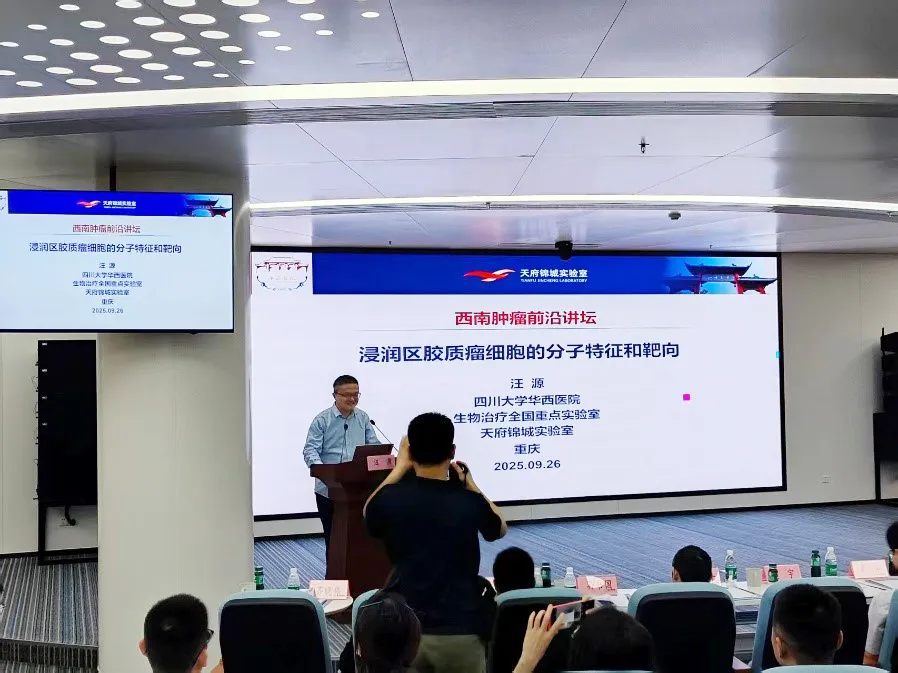
Lecture 6: Molecular characteristics and targeting of glioma cells in invasive areas
Introduction to the speaker
Wang Yuan , a researcher at the Biotherapy Research Center of West China Hospital of Sichuan University and a PI in Tianfu Jincheng Laboratory. He was selected as the Youth Project of the National Outstanding Youth Young People and the National Overseas High-Level Talent Program. Bachelor of Tsinghua University, PhD and Postdoctoral College, University of Michigan.
Main content
This lecture focused on the unique attributes of cells in the glioma infiltrated area and breakthroughs in targeted therapy, and proposed that there are significant differences between glioma cells in the infiltrated area and the core area. They highly express invasion-related proteins such as MMP9, and enhance migration ability by activating the PI3K-AKT pathway, which is a key cause of postoperative recurrence. The lecture further analyzed molecular targets: CD44-positive subpopulation can promote infiltration through regulating the EMT process, while inhibiting its downstream STAT3 signal can significantly reduce invasiveness. Based on these characteristics, the speaker proposed the treatment idea of "targeted infiltration-related molecules + blood-brain barrier penetrating drugs", which provided a new research direction for improving the prognosis of glioma patients.


Number
023-68059937
Email:Jinfeng@jflab.ac.cn
Address:
No.313, Bella Road Chongqing High-tech Zone
Postal code: 401329

 渝公网安备50009802002274