
Lecture time
September 26, 2025 8:30-12:00
Lecture location
Academic Lecture Hall 302, Building 1, Jinfeng Laboratory
Lecture Topic 1: Metabolic Sparks and Tumor Evolution
Introduction to the speaker
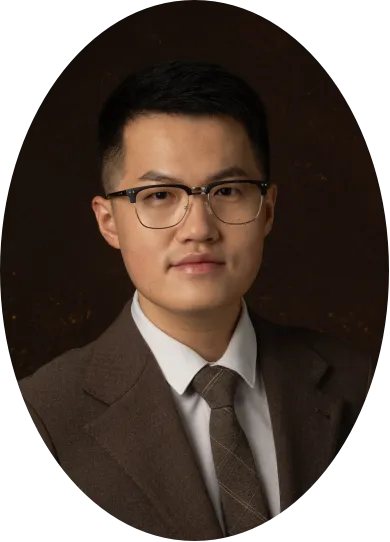
Xu Daqian , PhD, researcher at the School of Medicine of Zhejiang University, doctoral supervisor, winner of the National High-level Talent Youth Program (Overseas Youth), chief scientist of the Youth Program of the National Key R&D Program, and a core member of the Zhejiang Province's leading basic research team for innovation and entrepreneurship. He has long been committed to tumor metabolism research and has published more than 30 papers in international authoritative academic journals.
Lecture introduction
Professor Xu Daqian will explore how tumor metabolism reprogramming can drive the malignant evolution of tumors like a "spark". The research focuses on the unique energy acquisition and material synthesis methods of cancer cells, analyzes the non-classical functions of key metabolites in signaling and epigenetic regulation, aiming to reveal new mechanisms for metabolic disorders to promote tumor occurrence and development, and provides a scientific basis for the development of innovative metabolic targeted therapy strategies.
Lecture topic 2: Research on DNA damage response and tumor development and drug resistance
Introduction to the speaker
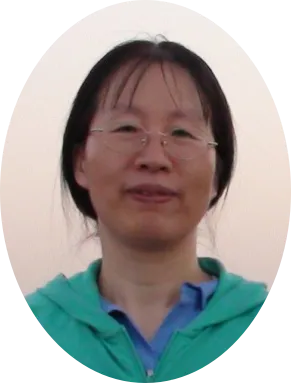
Guo Caixia , a researcher at the 100-person program of the Beijing Institute of Genomics, Chinese Academy of Sciences (National Bioinformatics Center). We have long explored the relationship between DNA damage response, genomic instability and human disease occurrence/development, and published more than 70 SCI papers, including more than 40 first and correspondent authors, including Cell, Mol Cell, Sci Adv, Nat Commun, PNAS, EMBO J, etc., and undertake national natural key and special projects.
Lecture introduction
Professor Guo Caixia will explain the core role of DNA damage response in tumorigenesis and treatment of drug resistance. His team innovatively discovered that long-chain non-coding RNA can encode functional small peptide PACMP. This molecule has precisely regulated the stability of key proteins repairing homologous recombination, profoundly affecting genome integrity. This study provides important new targets and theoretical basis for reversing tumor resistance and developing new combination therapy strategies.
Lecture Topic 3: Ionizing Radiation and Maintenance of Hematopoietic Stem Cells
Introduction to the speaker
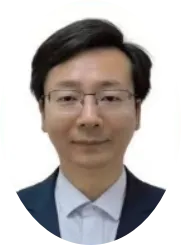
Hou Yu , Vice Dean of the School of Basic Medicine of Chongqing Medical University, Doctoral Supervisor, Youth Science Foundation Project (Class A), Youth Project of the Overseas High-level Talent Introduction Program.
Lecture introduction
Professor Hou Yu focuses on the impact of ionizing radiation on the homeostasis of hematopoietic stem cells (HSCs) and its protection mechanism. His team found that the highly expressed Nynrin protein in HSCs can reduce the accumulation of reactive oxygen species (ROS) by inhibiting the opening of mitochondrial membrane permeability conversion pores (mPTP), thereby maintaining the resting state, self-renewal ability and radiation resistance of HSCs. A recent study published in Cell Stem Cell further revealed that Nynrin protects mitochondrial function by regulating the Ppif/CypD pathway, significantly enhancing the survival rate of HSCs under ionizing radiation. This result provides new targets for radiation damage protection (such as myelosuppression in tumor radiotherapy) and leukemia treatment, highlighting the core role of mitochondrial homeostasis in the fate of HSCs.
Lecture Topic 4: Treatment and Tumor Plasticity Regulation
Introduction to the speaker
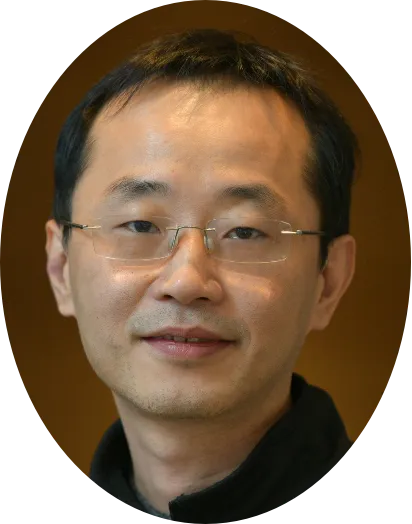
Qin Jun , PhD, a second-level researcher and doctoral supervisor at the Shanghai Institute of Nutrition and Health, Chinese Academy of Sciences, and a recipient of the National Outstanding Youth Fund and Continued Funding and National Outstanding Youth Fund. He was selected as the "Thousands of Youth" Program of the Organization Department of the Central Committee of the Communist Party of China, and served as deputy director of the Key Laboratory of Tumor and Microenvironment of the Chinese Academy of Sciences and the head of the research group for epigenetic regulation and tumor cell plasticity.
Lecture introduction
Professor Qin Jun’s topic is “Tumor plasticity regulation.” The lecture mainly explores the mechanisms of how tumor cells undergo lineage plasticity changes under therapeutic stress (such as endocrine therapy) to gain resistance, invasion and metastasis. Professor Qin Jun will introduce his team’s latest research results in epigenetic regulation (such as histone modification) and how molecules such as circular RNA regulate tumor cell plasticity, aiming to provide new targets and strategies for overcoming tumor drug resistance.
Lecture topic 5: Establishment of visual genetic model of lung cancer and research on the mechanism of dedifferentiation of early lung cancer
Introduction to the speaker
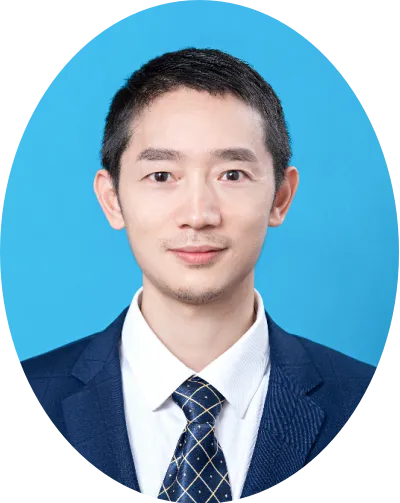
Sun Shuguo , Professor of the Tongji Basic Medicine School of Huazhong University of Science and Technology, Director of the Department of Anatomy, and a thousand young people. Long-term commitment to the research on the signal transduction mechanism of tumors and the exploration of clinical applications. The mouse genetic model based on whole mouse or organ transparency combined with CRISPR gene editing technology was used to study the mechanism of tumor malignancy and metastasis and explore the diagnosis and treatment plan.
Lecture introduction
Professor Sun Shuguo will share the latest progress of his team in the field of lung cancer research. The study aims to dynamically track the occurrence and development of lung cancer in real time by constructing a new "visual" genetic model. The focus is on exploring the "dedifferentiation" mechanism of early lung cancer cells, that is, how they obtain more primitive and aggressive stem cell-like characteristics, providing a key basis for revealing the mysteries of early lung cancer worsening and developing new intervention strategies.
Lecture topic 6: Molecular characteristics and targeting of glioma cells in invasive areas
Introduction to the speaker
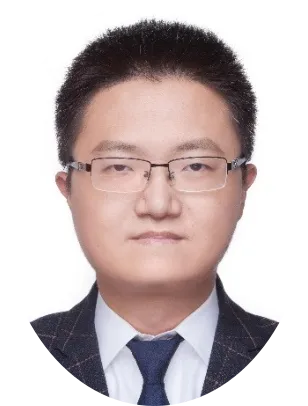
Wang Yuan , a researcher at the Biotherapy Research Center of West China Hospital of Sichuan University and a PI in Tianfu Jincheng Laboratory. He was selected as the Youth Project of the National Outstanding Youth Young People and the National Overseas High-Level Talent Program. Bachelor of Tsinghua University, PhD and Postdoctoral College, University of Michigan.
Lecture introduction
Professor Wang Yuan will explore the unique molecular characteristics of cells in the infiltrated area of the brain glioma. The core of glioma's difficulty in curing is that it is highly aggressive, and tumor cells will infiltrate into normal brain tissue. This study aims to deeply analyze the molecular phenotypes of these infiltrated cells, identify key targets that drive malignant progression, and provide an important theoretical basis for developing targeted therapeutic strategies, inhibiting tumor recurrence and improving patient prognosis.
Everyone is welcome to actively participate


Number
023-68059937
Email:Jinfeng@jflab.ac.cn
Address:
No.313, Bella Road Chongqing High-tech Zone
Postal code: 401329

 渝公网安备50009802002274