
Lecture review
Establishment and application of intestinal dominant bacteria detection method
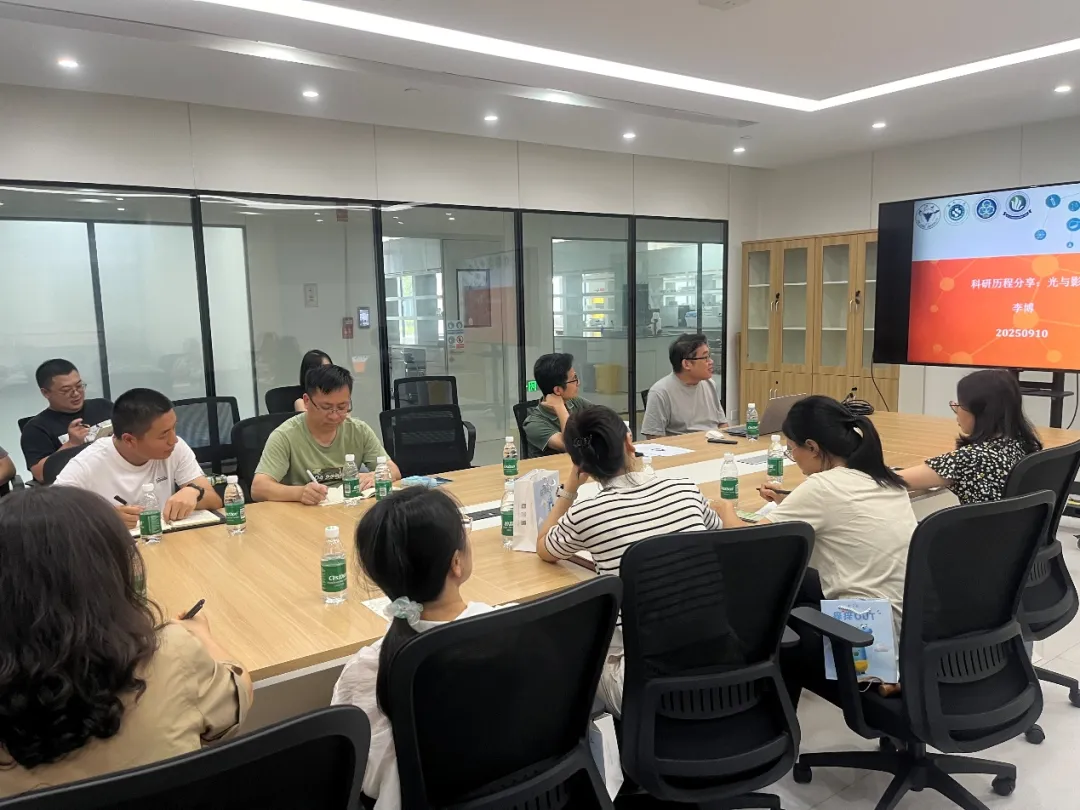
Introduction to the speaker
Li Bo, assistant researcher at the National Key Laboratory of Infectious Disease Diagnosis and Treatment of Infectious Diseases, was engaged in the research and application of micro-nano processing from 2012 to 2015. From 2016 to the present, under the guidance of Academician Li Lanjuan of the National Key Laboratory of Infectious Disease Diagnosis and Treatment of Infectious Diseases, Zhejiang University First Hospital, has carried out the application of microecological diagnosis and treatment technology in the field of infectious diseases. In recent years, it has undertaken projects such as "Research on the Mechanism and Countermeasures of Microecology Influencing the Health of the Human Age" and "Research on the Effects of Intestinal Fungi on the Prognosis of People with Abnormal Sugar Metabolism" in the National Key R&D Plan. It is mainly responsible for the development of intestinal microecology detection, ten-joint detection reagents and equipment for intestinal advantageous fungi, and targeted screening of probiotics.
Main content
The human intestine is an extremely complex microecosystem, and the bacterial flora are closely related to human health. They not only participate in digestion, but also play a key role in human development, immune regulation and other processes. Once the intestinal microecology is unbalanced, the risk of infection, inflammatory diseases and other diseases will increase significantly. However, effective methods for evaluating the gut microbiome using a small number of fecal microorganisms have been previously lacking.
Li Bo’s team accurately screened 10 dominant bacteria that can characterize the entire intestinal bacteria from a cohort of large sample population in China, and built a set of efficient, feasible, operational and well-quantitative detection methods. Through nucleic acid extraction, DNA concentration detection and other operations, 10 dominant bacteria were detected using qPCR method. The abundance and matching values of these 10 types of intestinal dominant bacteria will vary with age. At the same time, compared the test results of patients with cirrhosis and healthy people, it was found that there were 7 bacterial groups that had significant differences between the two groups, and the intestinal bacterial groups were related to the severity of cirrhosis. Subsequently, the team used machine learning algorithms to construct six classification models that distinguish healthy people from patients with cirrhosis. After hyperparameter tuning and multiple verifications, the results showed that the area (AUC) value under the model curve established by the random forest (RF) algorithm was the largest and the sensitivity was the highest. Although there may be certain false positives in this model, more real patients with cirrhosis can be discovered in time.
This research result provides a new way for clinicians to promptly detect intestinal microbial disorders and achieve early diagnosis and treatment. In the future, the team will consider the impact of region on intestinal flora, collect samples from different regions and re-establish classification models, further improve relevant theories and applications, and continue to help the cause of human health.


Number
023-68059937
Email:Jinfeng@jflab.ac.cn
Address:
No.313, Bella Road Chongqing High-tech Zone
Postal code: 401329

 渝公网安备50009802002274