
Recently, Jinfeng Laboratory held an academic seminar on cross-integration of multidisciplinary subjects. Professor Wang Guixue’s team, Professor Ning Ke’s team and Professor Cui Hongjuan’s team in the laboratory carried out in-depth academic sharing and cooperation discussions on cutting-edge scientific issues such as the mechanism and treatment of cardiovascular and cerebrovascular diseases, neurodegenerative diseases, and epigenetic regulation of brain gliomas. All parties at the meeting had a full exchange on multiple research directions, shared the latest scientific research results and technical experience, laying the foundation for promoting the intersection and integration of disciplines and promoting the joint research of major scientific issues.
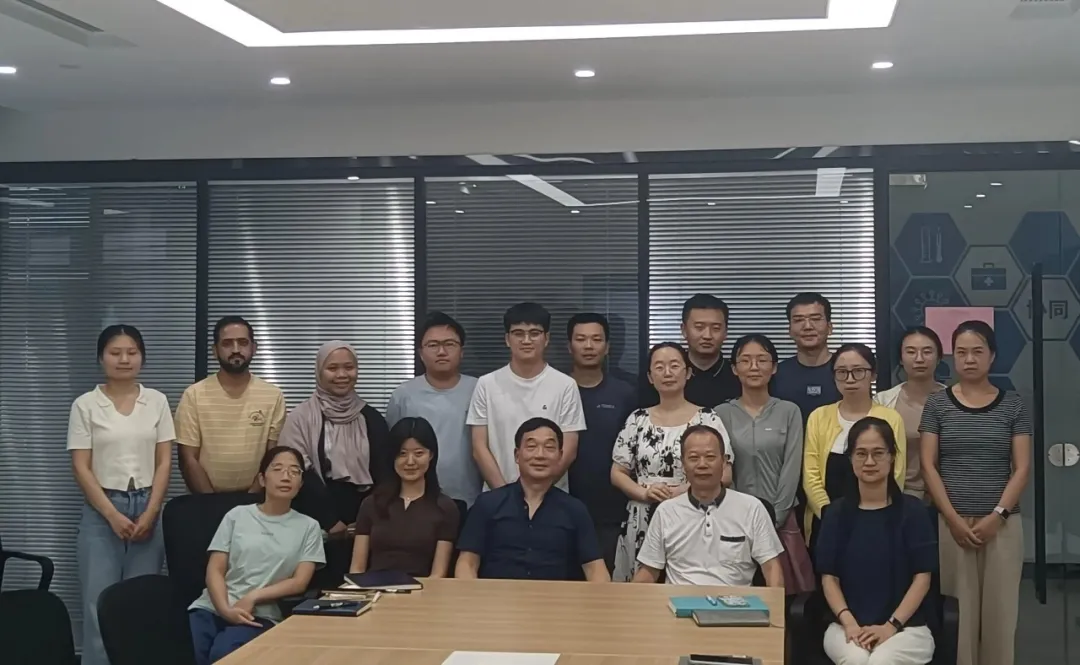
Lecture review
Lecture 1: Research on the biologic mechanism and precise diagnosis and treatment of cerebrovascular damage and repair
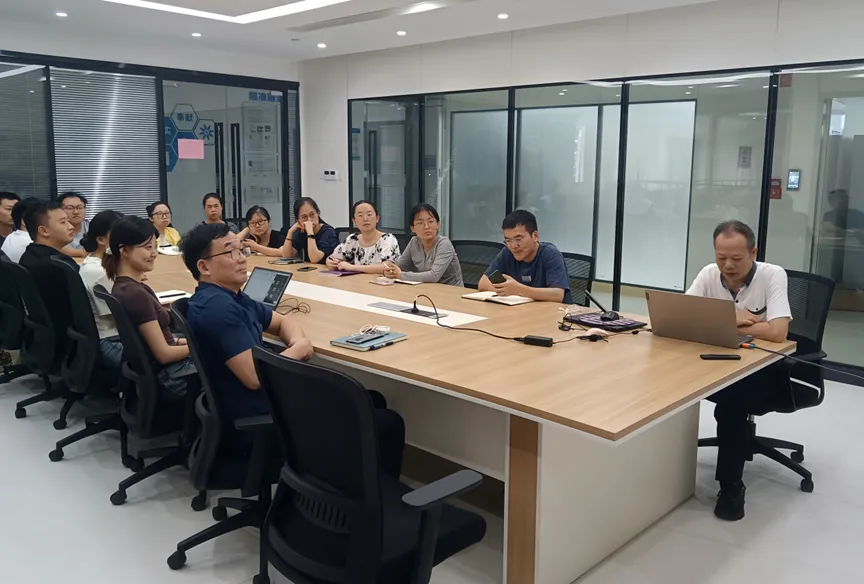
Introduction to the speaker
Wang Guixue, Jinfeng Laboratory PI, a second-level professor and doctoral supervisor at Chongqing University, enjoys special government allowances from the State Council; He has long been engaged in basic research and application transformation of atherosclerotic cardiovascular and cerebrovascular force biology and vascular tissue damage repair materials and nanodrug delivery. He has served as the director of the Key Laboratory of Biological Rheology and Technology of the Ministry of Education, the director of the National Joint Engineering Laboratory of Vascular Implant Development of the National Development and Reform Commission, a member of the Education Commission for Biomedical Engineering of the Ministry of Education, a chairman of the Atherosclerosis Committee of the Chinese Pathophysiology Society, a chairman of the Materials Biomechanics Branch of the Chinese Biomaterials Society, honorary chairman of the Vascular Branch of the Chinese Anatomy Society, and a director of the World Chinese Biomedical Engineering Association. Chief scientist of National Science and Technology Support Plan/National Key R&D Plan/National Major Genetically Modified Special Projects. Many times selected as Elsevier China's highly cited scholar, the world's top 100,000 scientists, World's Top 2% Scientists list, Fellow (FBSE), International Federation of Biomaterials Science and Engineering, Deputy Editor-in-Chief of Journal of Research, and Editorial Board of iMeta. He has served as the dean/secretary of the School of Bioengineering at Chongqing University and deputy director of the Academic Committee of the School of Medicine.
Main content
Professor Wang Guixue communicated on the biological mechanism of cerebrovascular damage and repair and precise diagnosis and treatment. As the main cause of death in the world, cardiovascular and cerebrovascular diseases can effectively reduce their high incidence, high mortality and heavy socio-economic burden through research on molecular mechanisms based on atherosclerosis as the main pathological basis. Professor Wang Guixue's team takes arteriosclerotic cerebrovascular disease as the main research object, and is committed to conducting cross-fusion research from three directions: biomechanical mechanism of onset, biologic effects of treatment, and innovative diagnosis and treatment methods. By exploring the new mechanisms in which hemodynamic factors affect the occurrence and development of cerebral atherosclerosis, and taking the unique and innovative vascular endothelial phagocytosis as the entry point, we strive to establish a new theory of atherosclerosis - vascular endothelial phagocytosis stress. In terms of research methods, the team has constructed a microfluidic chip model and animal model of cerebrovascular disease, explored the changes in fluid shear stress in vascular inflammation during cerebral ischemia and ischemia reperfusion, and provided effective molecular targets for the treatment of cerebrovascular diseases. In response to the treatment and clinical transformation of cerebrovascular diseases, the team focuses on two key technologies: First, explore key technologies for targeted treatment of nanodrugs in cerebrovascular diseases and build a specific delivery of bionic nanomedicine-loading system. ; The second is to overcome the key technologies for fully degradable interventional treatment of cerebral artery stenosis, and develop new fully degradable stents suitable for cerebral artery blood vessels.
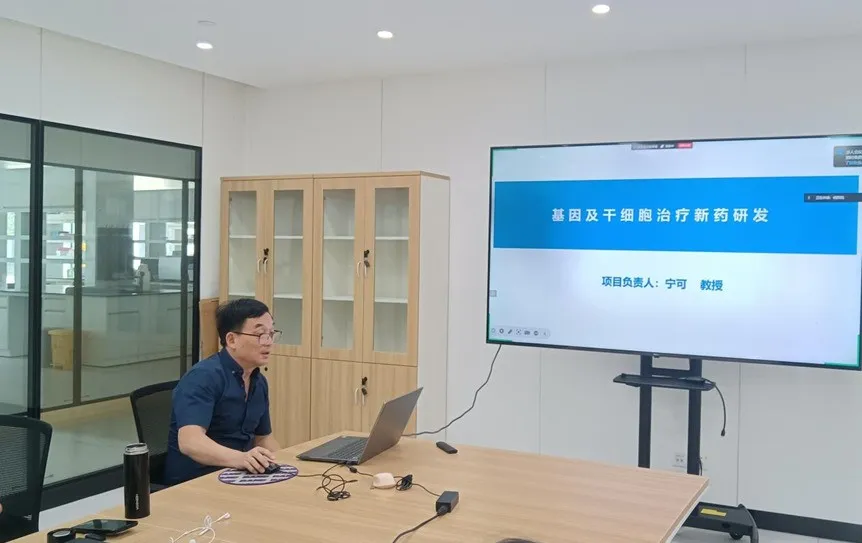
Lecture 2: Research and development of new drugs for gene and stem cell therapy
Introduction to the speaker
Ning Ke, Jinfeng Laboratory PI, tenured professor of neuroscience at the University of Sheffield, a lecturer at Shanghai Tongji University, a participant and project leader in the preclinical research of the first effective gene therapy drug in the central nervous system, a major member and director of gene therapy in the All-UK Pediatric Muscle Atrophy (SMA) Research Society, was the co-founder of Guangdong Xiankanda Group and chief scientific officer of gene drugs. He has participated in 14 scientific research projects with a total of 5 million pounds and served as a number of chief researchers, published many international high-level papers, a ResearchGate score of 36.91, a total citation volume exceeds 2,800 times, and a cumulative impact factor of the paper reached 448.2, and has a wide influence in the field of international research on neurodegenerative diseases.
Main content
Professor Ning Ke communicates on neurodegenerative diseases and gene therapy. Neurodegenerative diseases are a type of disease caused by progressive loss of neurons or myelin. They are characterized by cognitive or somatic dysfunction, and their pathological changes are usually irreversible. Gene therapy and stem cell therapy provide promising strategies for delivering key genes or cells and improving neuronal survival. Professor Ning Ke will combine his long-term research results to systematically elaborate on key molecular mechanisms and cutting-edge therapeutic explorations in neurodegenerative diseases, including:① PTEN Inhibition and Neuron Protection: Inhibition of PTEN can improve neuronal survival (Journal of Neuroscience, 2004 ; Human Molecular Genetics 2010 ; Brain 2011 ; Cell Death and Disease 2014 ; Molecular Therapy 2015) ; ②New pathway for leptin signaling: PTEN inhibition activates a new pathway for leptin signaling (European Organization for Molecular Biology, 2006 and Journal of Biochemistry, 2009) ; ③Protein aggregation and neurodegenerative disease mechanisms: Arfaptin 2 Proof of concepts for regulating Huntington protein aggregation (Natural Cell Biology, 2002 and Proceedings of the National Academy of Sciences, 2002) ; ④Circadian rhythm and neurological disease mechanisms: evidence of circadian regulation of GABAA by CKI in the supramolecular nucleus of rats (Natural Neuroscience, 2004), as well as the genetic basis of repeated RNA nuclear export of C9ORF72 in ALS and genome-wide identification of SRSF1-dependent inhibition (Neurons, 2022 ; Molecular Neurodegenerative Diseases 2021 ; Nature Communications 2017) ; ⑤Gene replacement and therapy exploration: In the SMA mouse model, SMN replacement improves motor neuron survival and prolongs life span (Science Translational Medicine, 2010). Professor Ning Ke’s team focused on using viral vector-mediated gene therapy and stem cell strategies to treat neurodegenerative diseases, including amyotrophic lateral sclerosis (ALS), spinal muscular atrophy (SMA), Alzheimer’s disease (AD), Parkinson’s disease (PD), and Huntington’s disease (HD). At present, its research focus is mainly on the PTEN/PI3K signaling pathway and neuronal survival mechanism, and is committed to discovering new potential therapeutic targets and promoting clinical transformation, providing new possibilities for achieving precise gene therapy for neurodegenerative diseases.
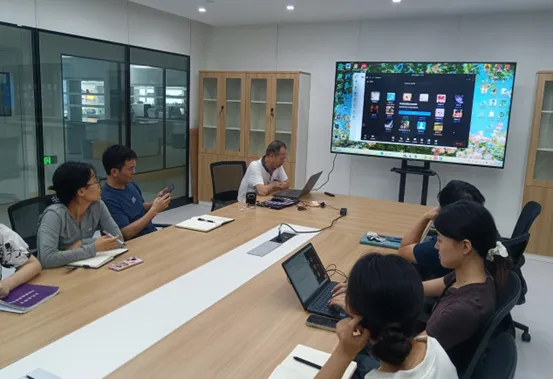
Lecture 3: Epigenetic regulation mechanism and new treatment strategies of glioma
Introduction to the speaker
Cui Hongjuan , Jinfeng Laboratory PI, Executive Vice President of Southwest University Medical Research Institute, Second-level professor and doctoral supervisor. The chief head of the innovation team in the key areas of the Ministry of Science and Technology of the National Innovation Talent Promotion Plan, the leading talent in science and technology innovation in the National "Ten Thousand Talents Plan", the outstanding scientist of the Chongqing Talents Plan, the chief scientist of the innovation team of Chongqing universities, the first batch of innovation leaders in Chongqing's "Special Branch Plan", the first batch of "Hundred Talents Plan", the young and middle-aged experts with outstanding contributions in Chongqing, the model for the women's achievements in science and technology innovation in Chongqing, the "Bayu Scholar" in Chongqing, the "March 8" red flag bearer, the academic and technical leader of Chongqing, and the recipient of the special government allowance of the State Council. In the United States, I have been engaged in tumor biology and stem cell biology research for nearly ten years. After returning to China, I rely on the National Key Laboratory and Medical Research Institute of Southwest University to carry out target confirmation, mechanism of action and intervention research on the driver genes for cancer development, development, and development, especially the mechanism of action of new genes for nervous system tumors such as glioma, neuroblastoma, medulloblastoma, and digestive system tumors, and have made important breakthroughs in tumor metabolism and epigenetic regulation. He presided over a number of topics such as the "973" plan, the National Key R&D plan, the National Natural Science Foundation, the National Scholarship Fund, the Ministry of Education Fund, and the Chongqing Key Fund. In Nature Cell Biology, Signal Transduction and Targeted Therapy, International journals such as Neuro-Oncology have published more than 300 SCI papers, h-index=43, and have been selected as the "Global Top 100,000 Scientists" list many times.
Main content
Professor Cui Hongjuan communicated on the epigenetic regulation mechanism and new treatment strategies of glioma. Brain glioma is the most common primary central nervous system tumor. It has complex typing, rapid malignancy progression and high recurrence rate. Although some progress has been made in surgery and chemotherapy, the prognosis of patients with malignant glioma has not improved effectively. The reason is that due to the complex development process of brain glioma, there is obvious therapeutic resistance to various existing treatment plans, and it needs in-depth research. Professor Cui Hongjuan's team focused on the epigenetic regulatory mechanism and new treatment strategies of brain glioma, and carried out research from the screening and mechanism analysis of key regulatory factors in the occurrence and development of brain glioma and drug resistance, screening of compounds and target compounds for inhibiting glioma malignant progression, and establishing a verification of organoid models of various brain tumors such as glioma, to clarify the key molecular mechanisms of epigenetic modification in the malignant progression of brain glioma and therapeutic resistance. The team is committed to systematically identifying the core epigenetic factors that regulate malignant phenotypes such as stemness, drug resistance, invasiveness and recurrence tendency of glioma cells, and ultimately achieving the clinical transformation goal - screening out specific epigenetic molecular markers with clinical guidance value and small-molecular compounds with targeted therapeutic potential, providing a new strategy for glioma treatment.


Number
023-68059937
Email:Jinfeng@jflab.ac.cn
Address:
No.313, Bella Road Chongqing High-tech Zone
Postal code: 401329

 渝公网安备50009802002274